
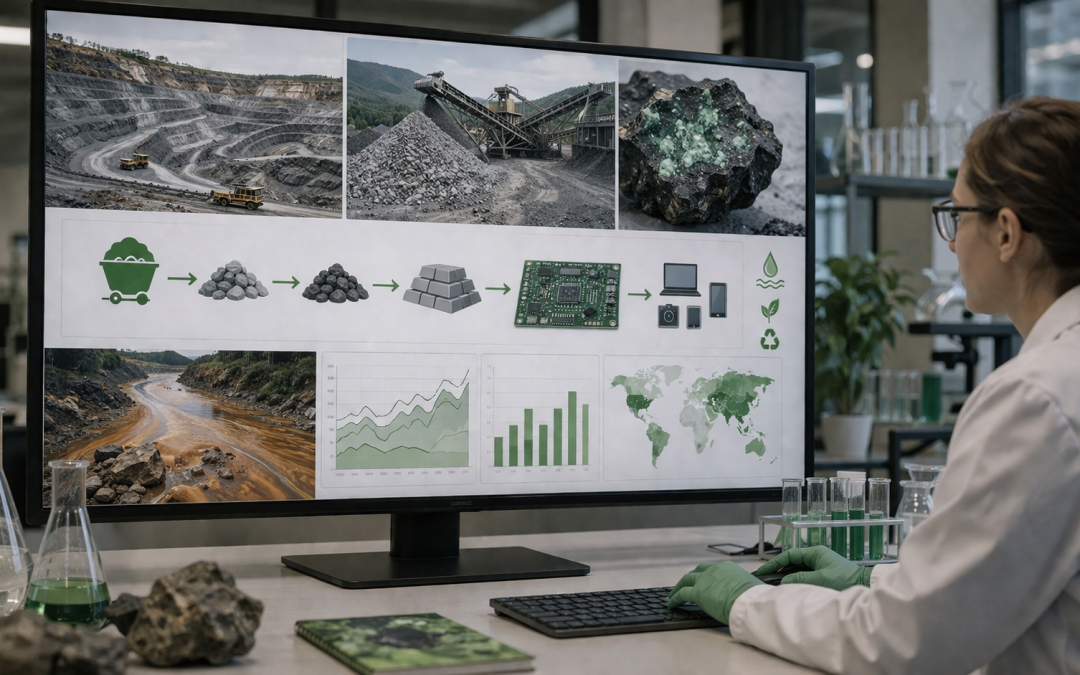
Acid mine drainage (AMD) is one of the most serious and long-lasting environmental consequences of mining for the minerals used in electronics. When mining operations expose sulphide-bearing rocks to air and water, a chemical reaction produces sulphuric acid that dissolves heavy metals from the surrounding rock and carries them into waterways. The resulting acidic, metal-laden water can devastate aquatic ecosystems and contaminate water supplies for decades or centuries after mining has ceased. Understanding this connection helps organisations appreciate why reducing demand for primary minerals through IT equipment reuse and recycling has environmental benefits that extend far beyond carbon.
How Acid Mine Drainage Forms
AMD occurs when sulphide minerals, particularly iron pyrite (FeS2), are exposed to oxygen and water through the mining process. The resulting chemical reaction produces sulphuric acid, which lowers the pH of water to levels that are toxic to most aquatic organisms. As the acidic water moves through the mine workings and waste rock, it dissolves heavy metals including copper, zinc, lead, cadmium, arsenic, and manganese, carrying them into downstream waterways.
The process is self-sustaining once it begins. Certain bacteria (Acidithiobacillus ferrooxidans) catalyse the oxidation reaction, accelerating acid production. As long as sulphide minerals are exposed to air and water, AMD will continue, which is why it can persist for centuries at abandoned mine sites.
Mining Operations That Supply Electronics
Several of the mining operations that supply materials for electronics are associated with AMD risks. Copper mining produces vast quantities of waste rock, much of which contains sulphide minerals. Copper is the most extensively used metal in electronics, present in circuit boards, wiring, connectors, and motors. Major copper mining regions include Chile, Peru, Indonesia, and Australia.
Gold mining, which supplies the gold used in electronic connectors and circuit board traces, often involves processing sulphide-bearing ores. The waste rock and tailings from gold mining are significant AMD sources. Zinc mining produces zinc used in galvanising and various electronic components. Zinc ore bodies commonly contain sulphide minerals that generate AMD when exposed.
Rare earth element mining, which supplies the magnets, displays, and other specialised components in electronics, can also generate AMD, particularly from the processing of monazite and bastnaesite ores.
Environmental Impacts of AMD
The environmental damage from AMD is severe and wide-ranging. Aquatic ecosystem destruction occurs as acidified water kills fish, invertebrates, and aquatic plants. Even organisms that survive the acidity may be affected by dissolved heavy metals that bioaccumulate in their tissues. Rivers downstream of AMD sources can be effectively lifeless for kilometres.
Water supply contamination makes affected waterways unsuitable for drinking, irrigation, and livestock watering. Communities that depend on these water sources face health risks and economic losses. Soil contamination results from AMD-affected water depositing heavy metals on floodplains and adjacent land during high water events, creating contaminated soils that reduce agricultural productivity and pose health risks.
Sediment contamination occurs as heavy metals precipitate out of solution as water conditions change, creating contaminated sediment layers that persist for decades and can be remobilised during floods or disturbance. Biodiversity loss extends beyond aquatic systems as riparian vegetation is damaged by contaminated water, affecting the terrestrial species that depend on healthy riparian corridors.
Remediation Challenges
Treating AMD is expensive and must continue indefinitely as long as the acid-generating source exists. Common treatment approaches include active treatment, which involves collecting AMD, neutralising the acid with lime or other alkaline materials, and removing dissolved metals through precipitation and sedimentation. This requires ongoing chemical inputs, energy, and sludge management. Passive treatment uses engineered wetlands, anoxic limestone drains, and other passive systems to neutralise acidity and remove metals. These are lower cost than active treatment but have limited capacity and may not be effective for highly acidic or high-flow situations.
Source control aims to prevent AMD generation by limiting the exposure of sulphide minerals to air and water, through covers, encapsulation, or underwater storage of reactive waste rock. This is most effective when designed into mine planning from the outset. The costs of AMD remediation can run to millions of dollars annually for a single mine site, and these costs continue indefinitely.
The Circular Economy Solution
Every kilogram of metal recovered from e-waste recycling is a kilogram that does not need to be mined, directly reducing the AMD risk associated with primary extraction. Copper recovered from recycled circuit boards avoids the waste rock and tailings from copper mining. Gold recovered from electronic connectors avoids the sulphide processing waste from gold mining.
By extending IT equipment lifecycles, maximising refurbishment and reuse, and ensuring thorough materials recovery through certified recycling, organisations reduce their indirect contribution to AMD. This is a powerful but often overlooked environmental benefit of responsible IT asset management.
For a broader view of how mining for electronics affects the environment, see our guide on the true environmental cost of electronic waste. For information on the circular economy for electronics, our guide covers how reuse and recycling reduce pressure on primary resources.
]]>