
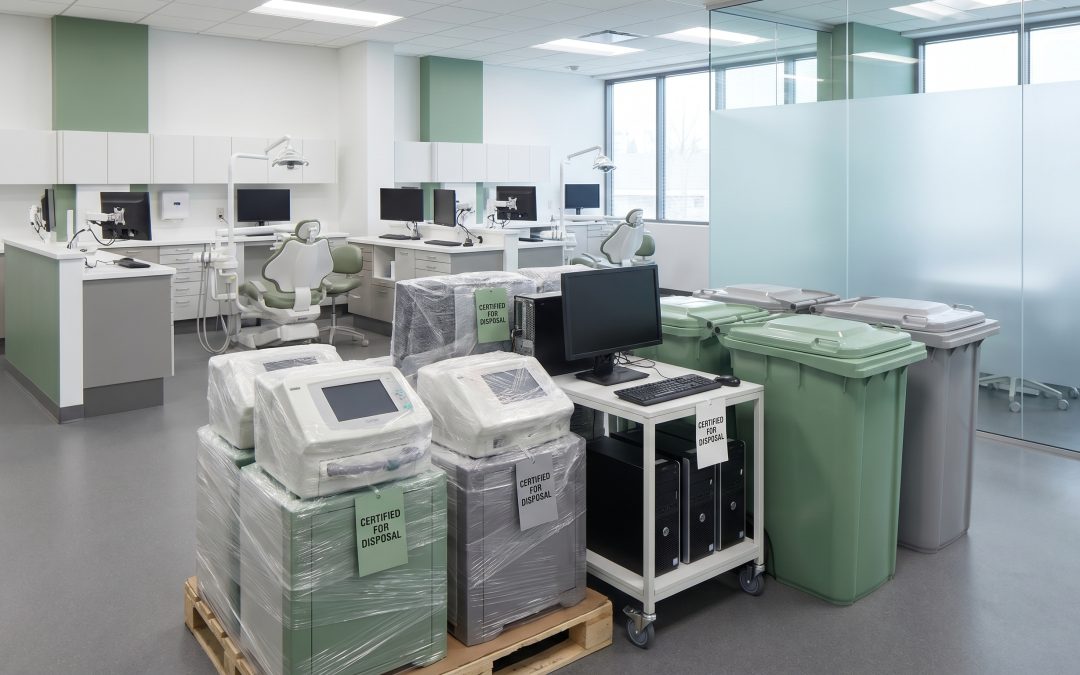
Dental and allied health practices, including physiotherapy, optometry, podiatry, and psychology clinics, manage patient health records on IT systems that require careful handling at end of life. These practices may be smaller than hospitals, but the sensitivity of patient data is no less significant, and the regulatory obligations around health information apply equally.
Health Data in Allied Health
Allied health practices store detailed patient information including treatment records, clinical notes, diagnostic images (dental X-rays, retinal scans, ultrasound images), referral correspondence, Medicare and private health insurance details, and payment records. For psychology and counselling practices, the records may include highly sensitive mental health information, session notes, and risk assessments.
This information is subject to the Privacy Act, state health records legislation (such as Victoria’s Health Records Act 2001), and the professional standards of each discipline’s regulatory body. AHPRA-registered practitioners have professional obligations around record management that extend to disposal.
Every device in a health practice that has stored or processed patient information requires certified data destruction before disposal. This includes the practice management system computer, clinical workstations, digital imaging devices with local storage, and any mobile devices used for patient communication or records access.
Specialist Equipment Considerations
Allied health practices use specialist equipment with embedded computing that is often overlooked in ITAD planning. Dental practices have digital X-ray systems, intraoral cameras, and CAD/CAM milling machines with local storage. Optometry practices use retinal imaging devices, visual field analysers, and OCT machines. Physiotherapy practices may use ultrasound and electrotherapy devices with digital interfaces.
When this specialist equipment is replaced, the embedded storage may contain patient images and data. Work with the equipment vendor to understand the data handling requirements during decommissioning. Some vendors offer decommissioning services that include data destruction, while others leave it to the practice to arrange.
Practice Size and Budget
Most allied health practices are small businesses disposing of only a few devices at a time. The ITAD approach should be proportionate to this scale. Practical options include engaging your IT support provider to perform certified data destruction as part of equipment replacement, using a mail-in ITAD service for small volumes, coordinating with other practices in your building or professional network to batch equipment for collection, or using council e-waste programs for recycling after arranging separate data destruction.
The cost of proper data destruction is modest relative to the risk of a health data breach. Even for a sole practitioner, the investment in certified destruction for a handful of devices every few years is a fraction of the potential consequences of non-compliance.
Record Retention
Health record retention requirements vary by state and discipline but are typically longer than standard business records. In Victoria, health records must be retained for at least seven years from the last occasion of service, or until the patient turns 25 if they were a child at the time of treatment. Some disciplines have longer requirements.
Before disposing of any equipment, confirm that all patient records have been migrated to your current practice management system and that retention requirements are satisfied. Many practices transitioning between software platforms overlook the need to properly migrate and verify data before decommissioning old hardware.
EWV handles IT asset disposition (ITAD) end-to-end for Victorian businesses — from collection and data destruction through to certified recycling or refurbishment for resale. Get in touch for a tailored ITAD quote.