
A Growing Market Worth Paying Attention To
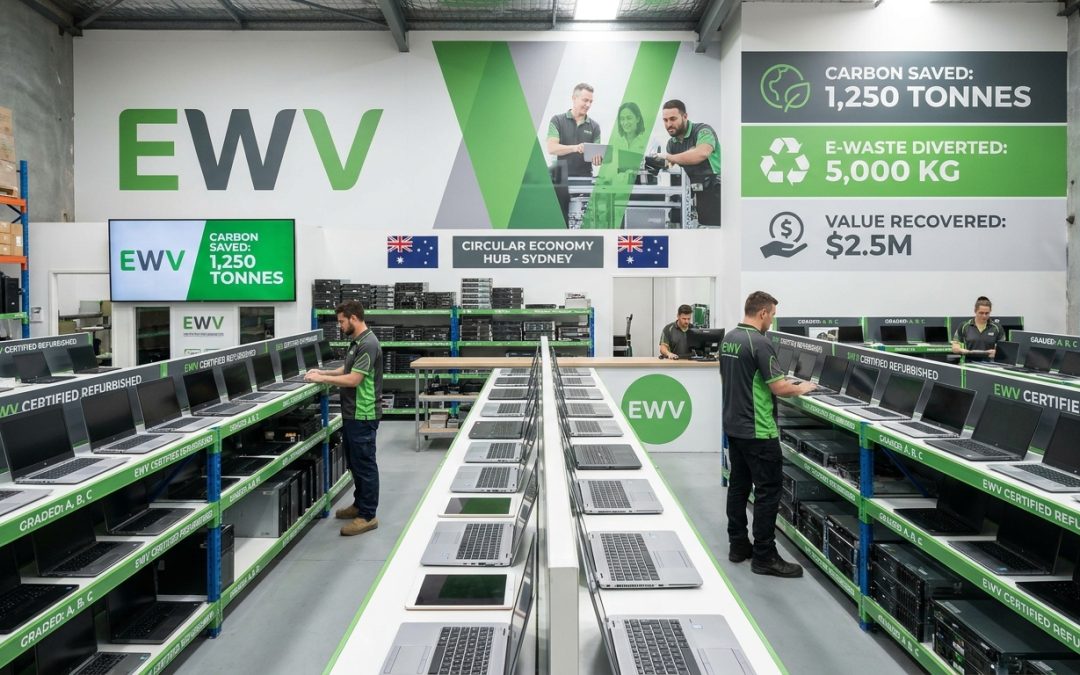
The second-hand IT equipment market in Australia has matured significantly over the past decade. What was once dominated by garage sales and informal online listings has evolved into a structured industry with professional refurbishment operations, graded quality standards, and warranty-backed products. For businesses looking to balance cost, sustainability, and performance, the Australian second-hand IT market now offers legitimate alternatives to buying new.
Several forces are driving this growth. Corporate sustainability commitments are creating both supply (through structured IT asset disposition programs) and demand (through green procurement policies). Economic pressures, particularly for SMEs, schools, and not-for-profits, make refurbished equipment an attractive way to access business-class hardware at reduced cost. And growing awareness of the environmental cost of electronics manufacturing is shifting attitudes about second-hand technology.
How the Market Is Structured
Professional refurbishers sit at the top of the market. These businesses source equipment through corporate ITAD programs, government surplus sales, and leasing company returns. They test, repair, clean, and re-certify equipment to defined quality standards before reselling with warranties. Major operations include companies specialising in enterprise IT equipment as well as consumer-focused refurbishers selling through their own websites and marketplace platforms.
Certified refurbished programs run by manufacturers represent a growing segment. Apple’s Certified Refurbished program, Dell Refurbished, and HP Renew all offer manufacturer-backed refurbished equipment with warranties comparable to new products. These programs typically offer 15-30% discounts on current and recent-generation products.
Online marketplaces including eBay, Facebook Marketplace, and specialist platforms facilitate peer-to-peer and business-to-consumer sales. While these offer the widest selection and often the lowest prices, they carry more risk because quality assurance depends entirely on the individual seller.
Government surplus and auction channels dispose of equipment from federal, state, and local government agencies. These sales can offer excellent value on well-maintained business-class equipment, though volumes and availability are unpredictable.
What Makes Equipment Suitable for the Secondary Market
Not all IT equipment has equal second-hand value. Several factors determine whether a device is a good candidate for resale versus recycling:
Age and generation gap. Equipment that’s 1-4 years old typically has the strongest resale demand. At this age, the performance gap between the used device and current new models is modest for most business applications. Beyond 5-6 years, declining software support and widening performance gaps reduce demand significantly.
Original build quality. Business-class equipment from major manufacturers (Dell Latitude/OptiPlex, HP EliteBook/ProDesk, Lenovo ThinkPad/ThinkCentre) commands premium prices in the secondary market because of its durability, repairability, and recognised quality standards. Consumer-grade equipment depreciates much faster.
Specification relevance. Devices with sufficient RAM (16GB is increasingly the minimum for business use), SSD storage, and processors that support current operating systems maintain value well. Equipment with outdated specifications that can’t run current software has limited resale appeal regardless of physical condition.
Cosmetic condition affects price but not necessarily functionality. Professional refurbishers typically grade equipment as Grade A (minimal cosmetic wear), Grade B (light cosmetic wear), or Grade C (noticeable wear but fully functional). Grade B equipment often represents the best value, with significant discounts for minor cosmetic imperfections that don’t affect use.
Buying Considerations for Businesses
Businesses considering second-hand IT procurement should evaluate several factors beyond just price:
Data security assurance. Any used device should come with documented evidence of proper data destruction from its previous owner. Reputable refurbishers perform certified data wiping as part of their standard process and can provide documentation. Buying from unknown sellers without data destruction certification creates risk, even if you plan to wipe the device yourself, because the chain of custody gap means you can’t verify what happened to the previous owner’s data.
Warranty and support. Professional refurbishers typically offer 12-month warranties, with some offering extended options. This provides meaningful protection against defects that testing might not catch. Buying from individual sellers generally means no warranty coverage.
Software licensing. Windows licensing for refurbished PCs can be complex. Devices originally sold with Windows Pro typically retain their license, but this varies by manufacturer agreement and license type. Ensure the seller can clarify the licensing status to avoid compliance issues.
Consistency for fleet deployments. If you need 50 identical laptops for a department rollout, the second-hand market may not have sufficient stock of a single model. Professional refurbishers can sometimes source quantities of specific models, but availability depends on what’s coming through corporate IT refresh cycles at that time.
The Environmental Impact
Every refurbished device that enters productive use represents a new device that didn’t need to be manufactured. Given that manufacturing accounts for 70-80% of a laptop’s lifetime carbon footprint, the environmental benefit of the secondary market is substantial.
The market also supports the circular economy by creating financial incentives for proper end-of-life management. When businesses know their retired IT equipment has resale value, they’re more likely to use structured ITAD services rather than stockpiling or improperly disposing of it. The value recovery from resale often offsets or exceeds the cost of professional IT asset disposition.
Australia’s second-hand IT market still has room to grow compared to mature markets in Europe and North America. As corporate sustainability reporting becomes more rigorous and procurement teams become more sophisticated about total cost of ownership, the demand side of the market is likely to strengthen further. For businesses willing to look beyond the new-in-box default, the secondary market offers genuine value on multiple fronts.
EWV helps Victorian businesses manage e-waste and IT asset disposal compliantly and sustainably — including collection, certified data destruction, and recycling. Contact us for a free quote.