by E-Waste Victoria | Jun 15, 2026 | Compliance & Regulation, Data Security & Destruction, IT Asset Disposition
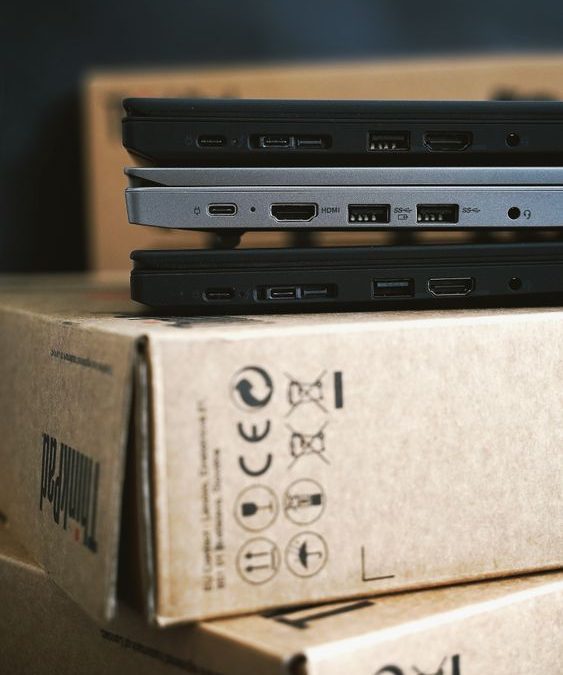
EOFY lands on 30 June. If your business is refreshing IT hardware this month, here’s what you need to know about data destruction compliance, chain of custody, and the Victorian e-waste landfill ban before the financial year closes.
by E-Waste Victoria | May 4, 2026 | Compliance & Regulation, Data Security & Destruction
Ninety percent of discarded devices still hold recoverable data. EWV helps Victorian businesses manage e-waste and ITAD disposal responsibly — protecting data and the environment.
by E-Waste Victoria | Apr 13, 2026 | Data Security & Destruction, Education
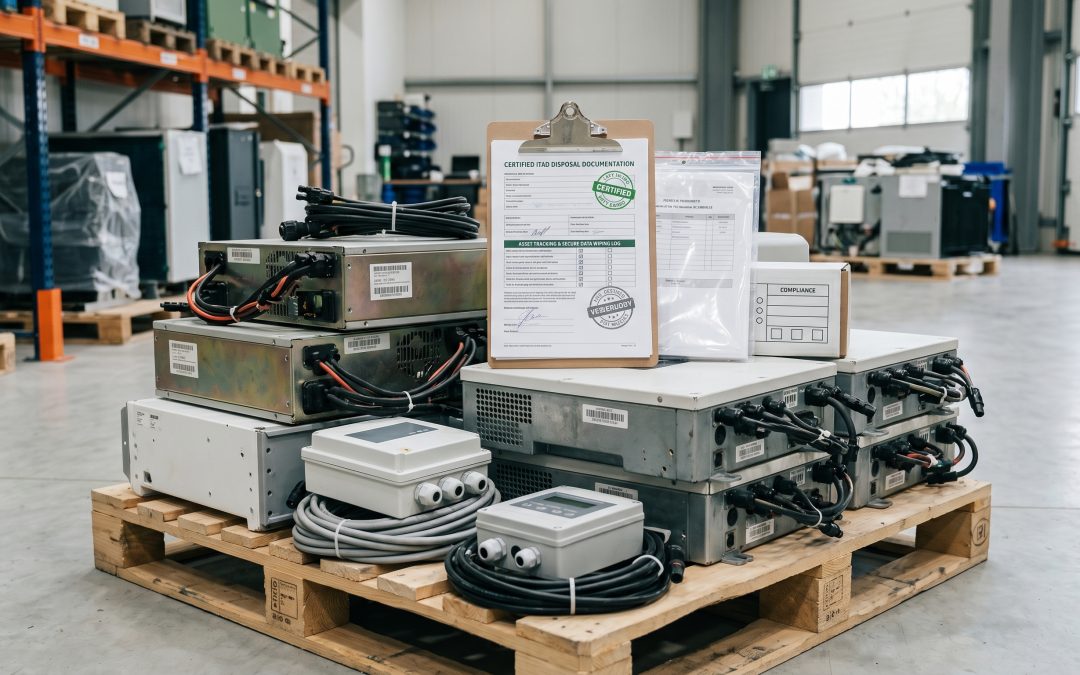
Safely dispose of renewable energy monitors with EWV’s e-waste recycling. Learn how Victorian ITAD experts handle sensitive data and grid parameters.
by E-Waste Victoria | Apr 13, 2026 | Data Security & Destruction, Education
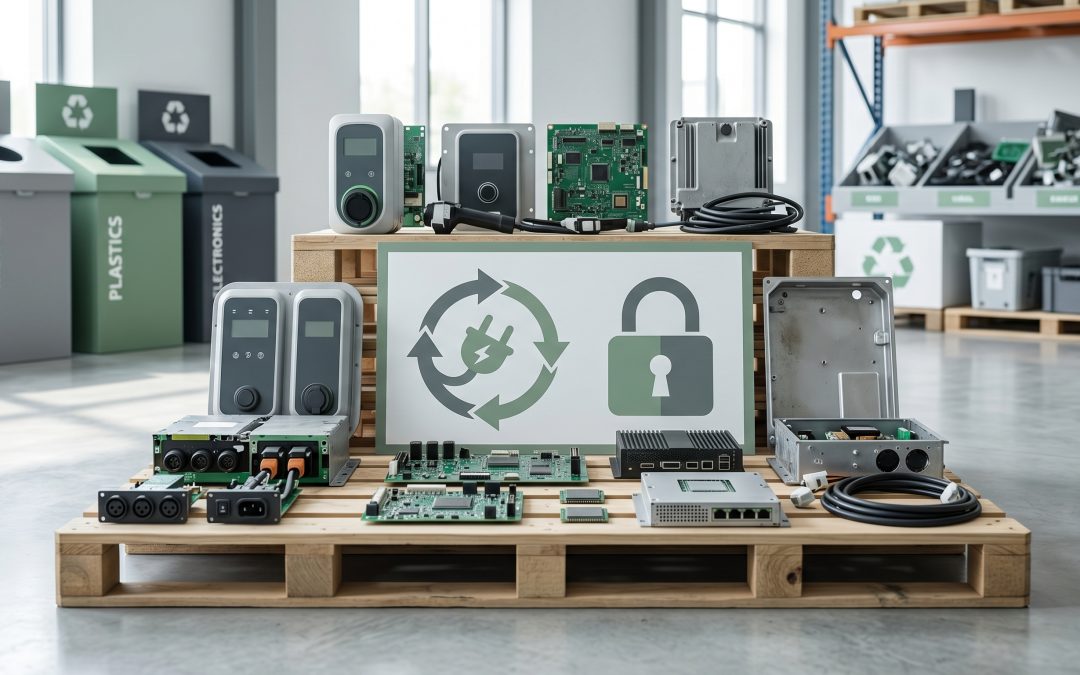
EV charging stations contain IT assets requiring proper e-waste recycling. Learn Melbourne ITAD best practices for secure data disposal and environmental c

by E-Waste Victoria | Apr 13, 2026 | Data Security & Destruction, Education
Voice assistants store sensitive data locally and in the cloud. Learn why proper ITAD and e-waste recycling in Victoria is critical for protecting your pri
by E-Waste Victoria | Apr 13, 2026 | Data Security & Destruction, Education
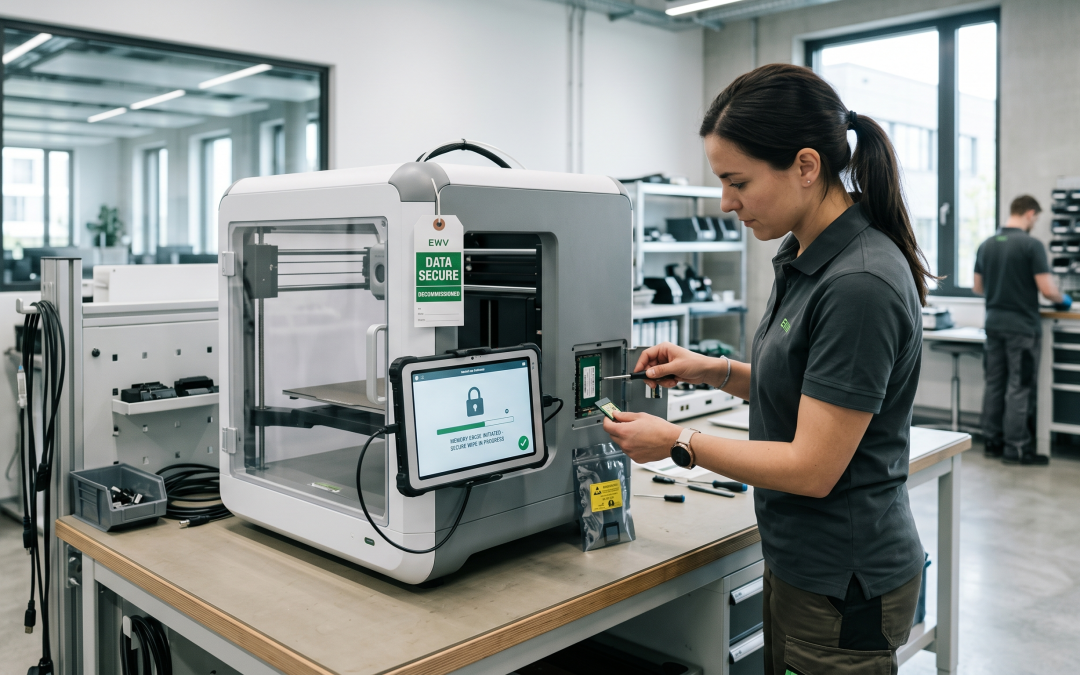
Secure 3D printer e-waste disposal in Victoria protects stored print histories, design files, and credentials.
