
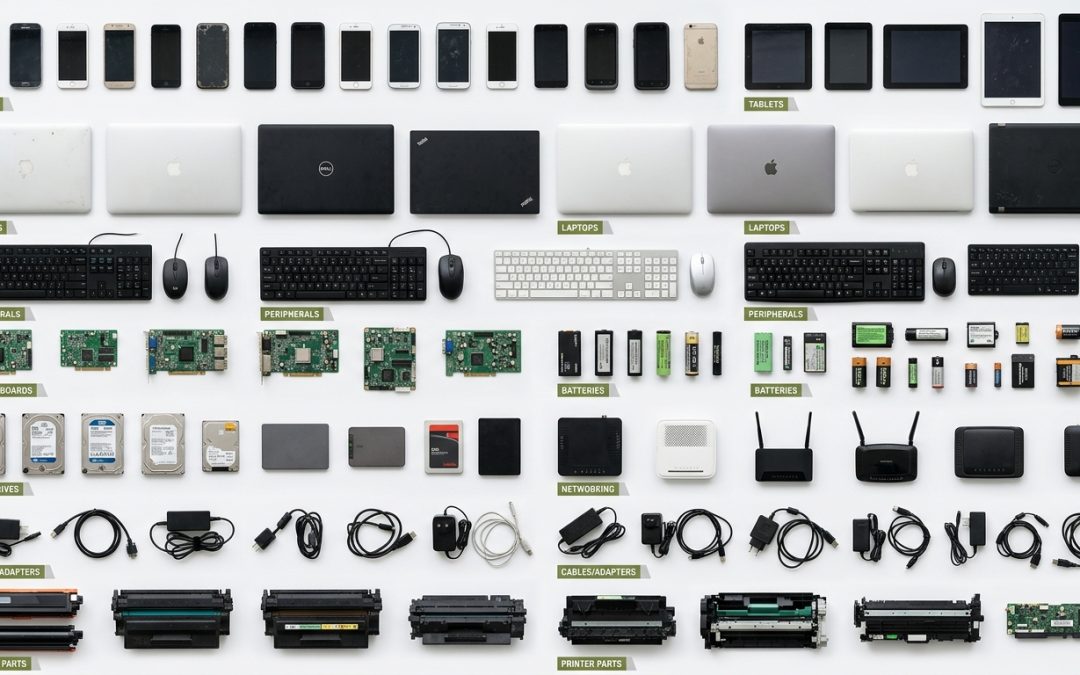
The Simple Rule: If It Has a Plug, Battery, or Cord, It’s E-Waste
Electronic waste, or e-waste, is any discarded item that runs on electricity or contains electronic components. The definition is broader than most people realise. It’s not just computers and phones. It includes everything from electric toothbrushes to industrial automation equipment. If the item uses a battery, plugs into a power outlet, charges via USB, or contains a circuit board, it’s e-waste and needs to be handled differently from regular household or commercial waste.
In Victoria, where the e-waste landfill ban has been in effect since 1 July 2019, understanding what counts as e-waste isn’t just good practice. It’s a legal requirement. Here’s a comprehensive breakdown of what falls under the e-waste umbrella.
Computers and IT Equipment
This is the category most people think of first, and it includes: desktop computers, laptops, tablets, monitors, keyboards, mice, webcams, printers, scanners, photocopiers, servers, networking equipment (routers, switches, modems, access points), external hard drives, USB drives, memory cards, cables and chargers of all types, uninterruptible power supplies (UPS), and all associated peripherals.
This category also covers accessories like laptop docking stations, graphics tablets, presentation remotes, and USB hubs. Even a simple USB cable is technically e-waste.
Phones and Personal Electronics
Mobile phones, smartphones, cordless phones, pagers (yes, some are still in use), smartwatches, fitness trackers, wireless earbuds and headphones, portable speakers, MP3 players, e-readers, digital cameras, camcorders, portable GPS devices, handheld gaming consoles, and their associated chargers and accessories.
Home Entertainment
Televisions (LCD, LED, OLED, plasma, and old CRT models), set-top boxes, streaming devices, DVD and Blu-ray players, VCRs, stereo systems, amplifiers, turntables, home theatre receivers, soundbars, gaming consoles (PlayStation, Xbox, Nintendo), projectors, remote controls, and all associated cables and accessories.
Kitchen and Household Appliances
This is where many people are surprised. All powered kitchen appliances are e-waste: toasters, kettles, coffee machines, food processors, blenders, mixers, electric can openers, rice cookers, slow cookers, air fryers, microwave ovens, bread makers, juicers, sandwich presses, electric grills, induction cooktops, and electric knife sharpeners.
Other household appliances include: vacuum cleaners (including robotic vacuums), irons, sewing machines, hair dryers, hair straighteners, electric shavers, electric toothbrushes, scales (bathroom and kitchen), fans, portable heaters, dehumidifiers, humidifiers, air purifiers, and electric blankets.
Lighting
LED bulbs, compact fluorescent lamps (CFLs), fluorescent tubes, halogen bulbs with electronic drivers, smart bulbs, LED strip lights, desk lamps, and any lighting fixture with integrated electronics. Standard incandescent bulbs (without electronic components) are one of the few electrical items that aren’t classified as e-waste, though they’re increasingly rare.
Power Tools and Garden Equipment
Cordless drills, circular saws, sanders, grinders, jigsaws, electric lawn mowers, electric hedge trimmers, leaf blowers, whipper snippers, electric chainsaws, battery-powered garden sprayers, and all associated battery packs and chargers.
Health and Medical Devices
Blood pressure monitors, glucose meters, hearing aids, CPAP machines, nebulisers, electric thermometers, pulse oximeters, TENS machines, and home monitoring devices. Note that some medical devices may have additional disposal requirements beyond standard e-waste handling, so check with your healthcare provider if unsure.
Smart Home and IoT Devices
The growing category of connected devices is entirely e-waste: smart speakers (Amazon Echo, Google Home, etc.), smart displays, smart plugs, smart light switches, smart thermostats, home security cameras, video doorbells, smart locks, smart smoke detectors, smart irrigation controllers, home hubs and bridges, and any other Internet of Things device.
Batteries
All battery types are considered e-waste: alkaline (AA, AAA, C, D, 9V), lithium-ion (rechargeable, found in phones, laptops, and power tools), lithium primary (non-rechargeable, found in cameras and some devices), nickel-metal hydride (rechargeable AA/AAA), button cells (watches, hearing aids, key fobs), lead-acid (car batteries, UPS batteries), and nickel-cadmium (older rechargeable batteries).
Larger Items
Washing machines, dryers, dishwashers, refrigerators, freezers, air conditioners, portable air conditioners, electric hot water systems, solar panels, inverters, electric bikes, electric scooters, and electric car batteries. These larger items often require specialist collection due to their size and the specific materials they contain (refrigerant gases, large battery packs, etc.).
Office Equipment
Shredders, laminating machines, binding machines, label makers, calculators, electronic whiteboards, projectors, conference phones, PABX systems, franking machines, and security systems including CCTV cameras and access control components.
What’s NOT E-Waste
A few items that people sometimes confuse with e-waste:
Incandescent light bulbs (without electronic components) can go in general waste. Manual tools without motors or batteries are general waste or scrap metal. Non-electronic toys are general waste. Plain wire or cable without electronic components (like copper wire) is scrap metal rather than e-waste, though recyclers will often accept it.
How to Dispose of E-Waste Properly
With such a broad range of items classified as e-waste, it helps to have a system. Keep a designated collection box or bag in your home or office where e-waste accumulates. When it’s full, take it to your nearest e-waste recycling point. For larger items, arrange collection through your council’s hard waste service or a specialist e-waste collector.
The key takeaway: if you’re unsure whether something is e-waste, it probably is. When in doubt, keep it out of your bins and take it to a recycling point where staff can advise on proper handling.
EWV helps Victorian businesses manage e-waste and IT asset disposal compliantly and sustainably — including collection, certified data destruction, and recycling. Contact us for a free quote.