
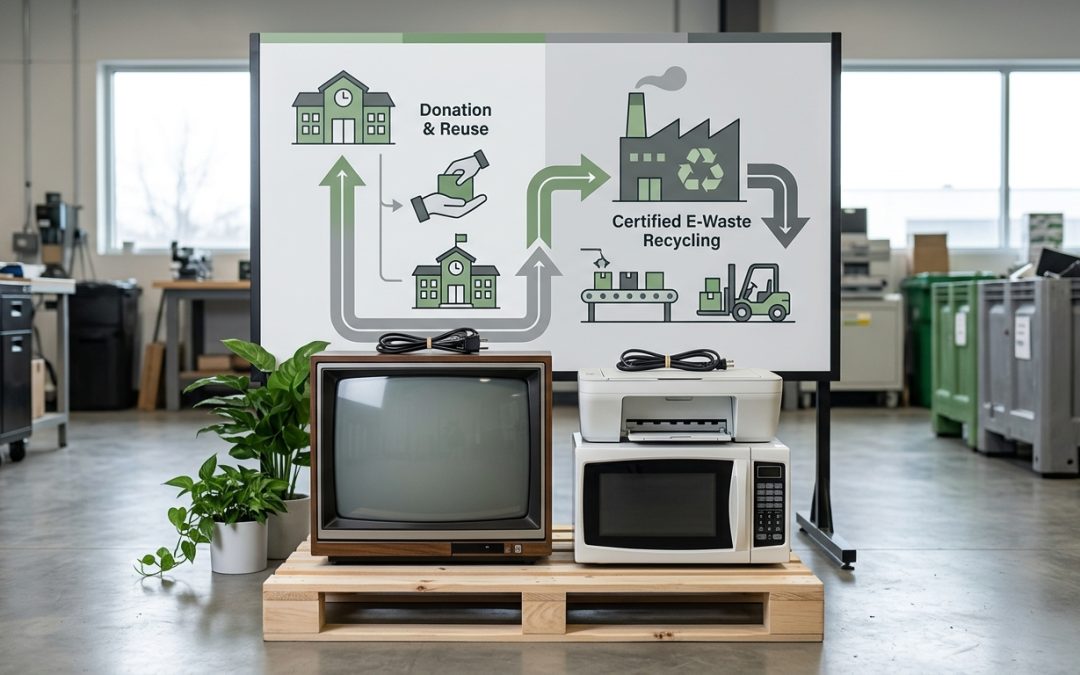
Working Appliances Deserve a Second Life
You’re renovating the kitchen, upgrading to a newer model, or just clearing space. The old microwave, toaster, or coffee machine still works perfectly fine, but you don’t need it anymore. What’s the best thing to do with a functioning appliance you no longer want?
The most environmentally responsible option is almost always keeping the appliance in use with someone else rather than recycling it. A working appliance that finds a new home avoids the environmental cost of manufacturing a replacement and delays the point at which it becomes e-waste. Recycling is the right choice for broken or genuinely obsolete equipment, but for working items, reuse comes first in the waste hierarchy.
Option 1: Sell It
If the appliance is in good condition and relatively modern, selling it recovers some value and ensures it goes to someone who actually wants it:
Facebook Marketplace is one of the most popular platforms for selling used appliances in Australia. List with clear photos, honest description of condition, and a reasonable price. Small appliances typically sell quickly at 20-40% of their original price if they’re less than a few years old.
Gumtree remains a popular option for local sales. Similar to Marketplace, it connects you with local buyers who can pick up the item.
eBay works better for appliances with specific brand value or collectibility. Vintage kitchen items, high-end coffee machines, and name-brand appliances can fetch good prices from buyers willing to pay for shipping.
Garage sales are ideal for clearing multiple items at once. Working appliances are among the most popular garage sale items.
Option 2: Give It Away
If the appliance is functional but has little resale value, giving it away is quick and easy:
“Buy Nothing” and “Free Stuff” groups on Facebook are active in most Australian suburbs. Post a photo and description, and someone who needs it will typically claim it within hours. These groups are particularly good for everyday items like kettles, toasters, and microwaves that everyone needs but few people want to pay much for.
Friends, family, and colleagues. A quick message asking if anyone needs a working microwave or coffee machine often finds a taker quickly. Young people moving into their first home, international students setting up a share house, and families dealing with a sudden appliance failure all appreciate free working items.
Community notice boards at shopping centres, libraries, and community centres often have space for “free to a good home” postings.
Option 3: Donate to Charity
Several charitable organisations accept working small appliances for resale or direct distribution:
Op shops (Salvos, Vinnies, Brotherhood of St Laurence, etc.) accept working small appliances in good condition. They test donated items before putting them on the floor, so only bring items that genuinely work well. Broken or unreliable appliances create a burden for charity shops rather than helping them.
Refugee and migrant support organisations often need household items to help newly arrived families set up their homes. Working kitchen appliances are particularly valued.
Crisis accommodation and family violence support services equip temporary housing and appreciate donated household items in good condition.
Before donating, check that the organisation actually accepts the type of appliance you’re offering. Some shops have restrictions on items with cords (due to safety testing requirements) or on specific categories they’re already overstocked with.
Option 4: Retailer Trade-In
Some appliance retailers offer trade-in credits when you purchase a replacement. This is more common for larger appliances (refrigerators, washing machines) than small ones, but it’s worth asking when buying a replacement item.
When Recycling Is the Right Answer
Sometimes an appliance works but has genuinely reached the end of its useful life from a practical standpoint:
Safety concerns. Older appliances that don’t meet current safety standards, have frayed cords, dodgy switches, or other safety issues should be recycled rather than passed to someone else. Selling or donating an unsafe appliance creates liability for you and risk for the recipient.
Extremely low efficiency. Some older appliances, particularly large ones like refrigerators and air conditioners, consume dramatically more energy than modern equivalents. An old bar fridge running 24/7 in the garage might cost more in electricity per year than a new one costs to buy. In these cases, recycling and replacing with an efficient model is the better environmental outcome despite the manufacturing cost.
No demand. Some items are simply unwanted. If you’ve tried selling and giving away an item with no takers after a reasonable effort, recycling through your council’s e-waste collection is the responsible final step.
The Energy Star Consideration
For major appliances, there’s a genuine environmental tension between keeping an old, less efficient appliance in use and replacing it with a new efficient model. The answer depends on the specific appliance, its age, and how heavily it’s used. For continuously running appliances like refrigerators, the energy savings from a new model often justify replacement within a few years from both a financial and environmental perspective. For intermittently used items like toasters and kettles, the efficiency difference is negligible and keeping the old one going is almost always the greener choice.
The best outcome for any working appliance is finding it a new home where it will be used and appreciated. The environmental hierarchy is clear: reuse beats recycling, and recycling beats landfill. A working appliance going to a recycler when it could serve someone else is a wasted opportunity for both the environment and the community.
EWV helps Victorian businesses manage e-waste and IT asset disposal compliantly and sustainably — including collection, certified data destruction, and recycling. Contact us for a free quote.