
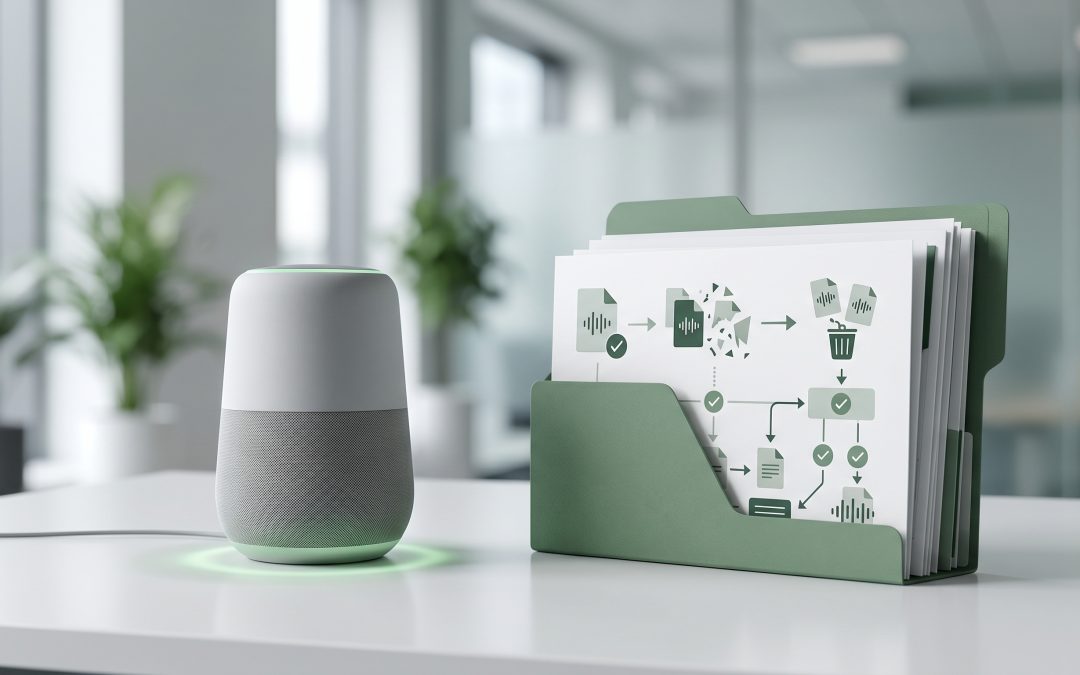
Voice assistant devices have become fixtures in homes and offices across Australia. Smart speakers, voice-controlled displays, and integrated assistant systems from major technology companies are always listening for their wake words, and in the process, they collect and store more data than most users realise. When it comes time to dispose of these devices, that stored data creates privacy risks that deserve careful attention.
What Voice Assistants Actually Record
While voice assistant manufacturers emphasise that their devices only actively record after hearing a wake word, the reality is more nuanced. Research has consistently shown that these devices occasionally activate without the intended trigger phrase, capturing fragments of conversation that were never meant to be recorded.
Beyond accidental activations, voice assistants intentionally store a significant amount of data. This includes audio recordings of every command and interaction (often retained in cloud accounts), voice profiles used for speaker recognition, smart home device configurations and routines, contact lists and calendar entries synced from linked accounts, shopping histories and preferences, location data and home address information, Wi-Fi network credentials and connected device details, and usage patterns that reveal daily routines and habits.
In business environments, voice assistants deployed in meeting rooms or office spaces may have captured fragments of confidential conversations, strategy discussions, or sensitive client information.
The Dual Storage Problem
Voice assistant data exists in two places: on the device itself and in the cloud. This dual storage model means that simply factory-resetting a device does not eliminate all the data it has collected.
On-device storage typically includes cached audio processing data, device configuration settings, local smart home control data, and network credentials. The cloud component, linked to the user’s account with the platform provider, usually contains the full history of voice interactions, account preferences, connected service authorisations, and routines and automation configurations.
Proper disposal requires addressing both the local device and the associated cloud account. Many people sell or donate old smart speakers after performing a factory reset, not realising that their voice recordings remain accessible in their cloud account, or that residual data on the device might be recoverable.
Privacy Risks of Improper Disposal
The data stored by voice assistants can paint a remarkably detailed picture of someone’s life. Voice recordings reveal who lives in a household, their daily patterns, their interests, and potentially sensitive personal information discussed in the presence of the device. Smart home configurations expose the security setup of a home, including what locks, cameras, and alarms are installed and how they are controlled.
For businesses, the risks are amplified. Voice assistants in corporate environments may have recorded proprietary information, client details, or strategic discussions. Under Australian privacy law and various industry regulations, organisations have obligations to protect this data throughout its lifecycle, including at disposal.
The potential for data breaches through improper device disposal extends to any device with voice assistant capabilities, not just dedicated smart speakers. This includes smart displays, voice-enabled thermostats, connected appliances, and even some office equipment with built-in voice control.
Secure Disposal Process
Before disposing of any voice assistant device, take these steps to protect your data. Start with the cloud account. Log into the platform provider’s privacy settings (Google, Amazon, Apple, or others) and delete the voice recording history associated with the device. Review and revoke any third-party service connections that were authorised through the voice assistant. Remove the device from your account entirely.
On the device itself, perform a full factory reset using the manufacturer’s recommended procedure. For most smart speakers, this involves holding specific buttons during startup to trigger a complete reset. After the reset, verify that the device returns to its initial setup state and does not retain any account associations.
For business environments with heightened security requirements, consider whether the device should be physically destroyed rather than resold or donated. The embedded storage in smart speakers is typically flash memory soldered to the circuit board, making it difficult to sanitise with the same confidence as a removable hard drive.
Environmental Disposal
Voice assistant devices are electronic products that fall under Victoria’s e-waste landfill ban. They contain lithium batteries, circuit boards, speakers, and microphones that should all be recycled through appropriate channels rather than sent to general waste.
Many council e-waste collection points and electronics retailers accept small electronic devices for recycling. If you are disposing of multiple devices from a business environment, working with a certified e-waste recycler ensures both the data security and environmental requirements are properly handled.
A Growing Category
Voice assistant technology is being embedded in an ever-expanding range of products, from cars and refrigerators to light switches and doorbells. Each of these devices collects and stores data that needs to be considered at end of life. As the installed base of voice-enabled devices continues to grow, developing consistent data sanitisation practices for these products becomes increasingly important for both consumers and organisations.
EWV helps Victorian businesses manage e-waste and IT asset disposal compliantly and sustainably — including collection, certified data destruction, and recycling. Contact us for a free quote.