
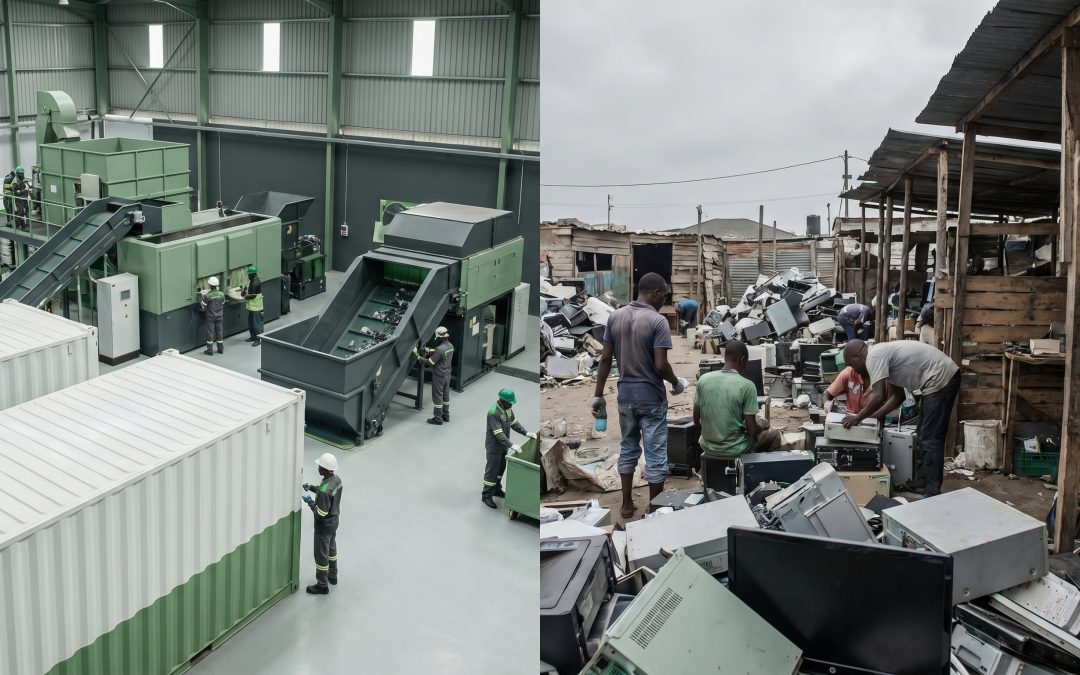
Not all e-waste recyclers are created equal. The difference between a certified and a non-certified recycler can mean the difference between your equipment being processed responsibly and it ending up in a landfill, shipped to a developing country, or having its data exposed. Understanding what certification means and why it matters helps you make an informed choice about who handles your end-of-life IT equipment.
What Certification Means
Certified e-waste recyclers have undergone independent assessment against recognised standards that verify their processes, facilities, and practices meet specific requirements for environmental responsibility, data security, worker safety, and downstream material management. The certification is maintained through regular audits and must be renewed periodically.
The two primary ITAD-specific certifications are R2 (Responsible Recycling) and e-Stewards. These standards were developed specifically for the electronics recycling and ITAD industry and address the unique risks associated with processing electronic equipment.
Additionally, recyclers may hold ISO certifications including ISO 14001 (environmental management), ISO 9001 (quality management), and ISO 27001 (information security management). In Australia, compliance with AS/NZS 5377 (collection, storage, transport, and treatment of end-of-life electrical and electronic equipment) provides a national standard framework.
R2 Certification
R2 is the most widely adopted ITAD certification globally. It requires certified facilities to implement an environmental management system, maintain data destruction procedures that meet recognised standards, track downstream vendors to ensure responsible material handling, manage focus materials (like lead, mercury, and cadmium) according to specific requirements, demonstrate worker health and safety practices, and maintain insurance and financial responsibility.
R2 certification is assessed by accredited third-party auditors and requires annual surveillance audits plus a full recertification audit every three years. The standard is administered by Sustainable Electronics Recycling International (SERI).
e-Stewards Certification
e-Stewards, administered by the Basel Action Network (BAN), is considered the more stringent of the two primary certifications. In addition to requirements similar to R2, e-Stewards prohibits the export of hazardous e-waste to developing countries, imposes stricter downstream due diligence requirements, requires GPS tracking of exported materials, and prohibits the use of prison labour in processing.
e-Stewards certification appeals to organisations that prioritise the environmental justice dimension of e-waste management and want the strongest assurance that their equipment will not end up in unregulated processing operations overseas.
What Non-Certified Recyclers Look Like
Non-certified recyclers may operate perfectly responsibly, or they may cut corners that create environmental, security, and legal risks for their clients. Without certification, there is no independent verification of their practices. Common risks with non-certified operators include inadequate or absent data destruction processes, lack of downstream tracking meaning you have no visibility into where your materials end up, potential export of hazardous e-waste to countries with weaker environmental regulations, inadequate worker safety protections, limited or no insurance coverage, and no independent audit of their operations.
Some non-certified operators engage in practices that appear responsible on the surface but do not hold up under scrutiny. They may claim to recycle but actually stockpile materials or send them to landfill. They may perform cursory data wiping that does not meet recognised standards. Or they may selectively process valuable materials and improperly dispose of hazardous components.
Why Certification Matters for Your Organisation
Using a certified recycler protects your organisation in several ways. Data security: Certified recyclers must maintain documented data destruction processes that meet recognised standards. This protects you from disposal-related data breaches. Environmental compliance: Certified recyclers operate within audited environmental management systems, reducing your risk of being associated with environmental violations. Legal protection: Under Victoria’s e-waste landfill ban and the Privacy Act, you have an obligation to dispose of equipment responsibly. Using a certified recycler demonstrates you have taken reasonable steps. Reputational protection: If your equipment ends up in an unregulated overseas processing operation or causes environmental damage, the reputational consequences fall on your organisation as well as the recycler.
How to Verify Certification
Always verify a recycler’s certification claims independently. R2 certified facilities are listed on the SERI website. e-Stewards certified facilities are listed on the BAN website. ISO certifications can be verified through the issuing certification body. Ask to see current certificates and check the expiry dates. Certification that has lapsed or is pending renewal is not the same as active certification.
EWV helps Victorian businesses manage e-waste and IT asset disposal compliantly and sustainably — including collection, certified data destruction, and recycling. Contact us for a free quote.