
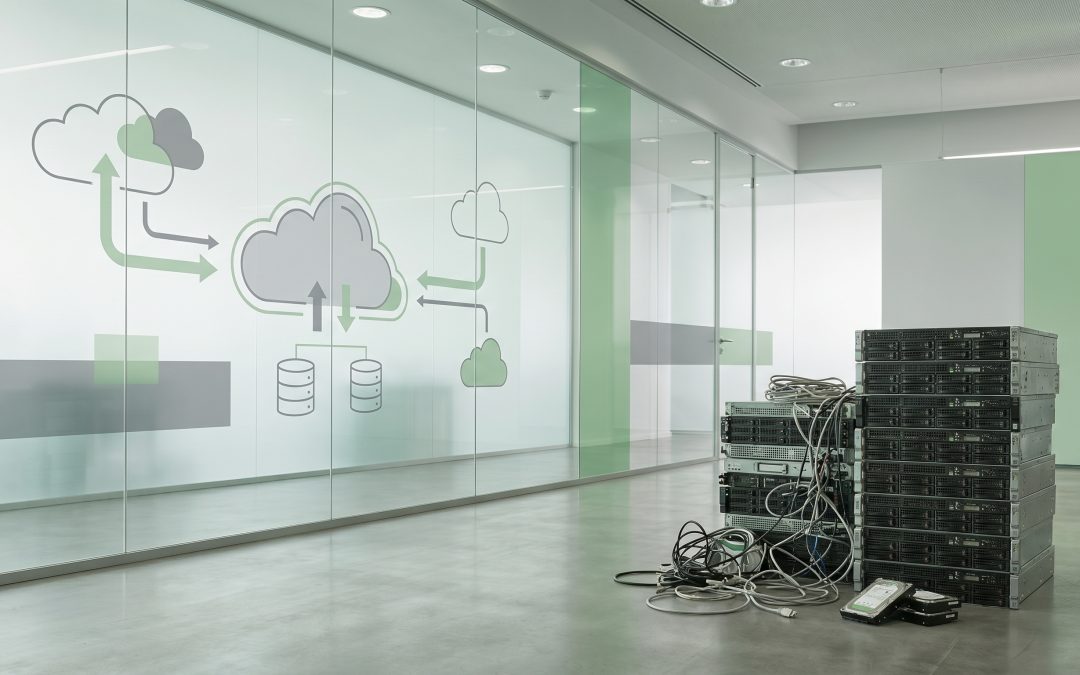
The shift from on-premise infrastructure to cloud-first strategies is changing the nature of IT asset disposition. While cloud migration reduces some categories of e-waste, it creates new disposition challenges and does not eliminate the need for ITAD. Understanding how your infrastructure strategy affects your disposition program helps you plan effectively.
How Cloud Migration Changes ITAD
Moving to cloud reduces the volume of on-premise server and storage infrastructure that needs disposition. Organisations that migrate workloads to public cloud services like AWS, Azure, or Google Cloud Platform no longer need to dispose of the physical servers that previously ran those workloads. This can significantly reduce data centre ITAD volumes.
However, cloud migration does not eliminate ITAD entirely. End-user devices still need disposition. Networking equipment connecting users to cloud services still reaches end of life. And the migration itself creates a major disposition event as on-premise infrastructure is decommissioned.
In fact, cloud migration often creates a large one-time ITAD requirement as legacy infrastructure is removed. Servers, storage arrays, backup systems, and associated networking equipment all need to be disposed of simultaneously. This can be one of the largest single ITAD events an organisation ever undertakes.
The Cloud Migration Disposition Event
When migrating to cloud, plan the disposition of legacy infrastructure as a formal project workstream. Key considerations include data migration verification, where you must confirm all data has been successfully migrated before decommissioning old systems. Data destruction must cover all storage media from decommissioned systems. The value recovery opportunity can be significant because data centre equipment often retains strong residual value, particularly servers and storage arrays that are still within their operational lifespan. And the logistics of removing large volumes of rack-mounted equipment from a data centre require careful planning.
Do not rush the decommissioning. Maintain the ability to fall back to on-premise systems for a defined period after migration. Once you are confident the migration is complete and stable, proceed with formal decommissioning and disposition.
On-Premise: Ongoing ITAD Requirements
Organisations that maintain on-premise infrastructure continue to face traditional ITAD challenges. Servers, storage, and networking equipment follow regular refresh cycles that generate steady disposition volumes. The advantage is predictability: you know what equipment you have, when it will reach end of life, and what disposition channel is appropriate.
On-premise environments also give you complete control over data destruction. You manage the entire process from decommissioning through destruction, with no reliance on cloud provider data handling policies. For organisations with the most stringent data control requirements, this is a significant advantage of the on-premise model.
Hybrid Environments
Most organisations operate in a hybrid model, with some workloads in the cloud and others remaining on-premise. This creates a hybrid ITAD environment where data centre ITAD volumes are reduced but not eliminated, end-user device ITAD continues at the same pace, networking equipment ITAD may actually increase as more complex connectivity is needed, and edge computing creates new categories of distributed equipment needing disposition.
The hybrid model requires your ITAD program to handle both traditional data centre equipment and the evolving mix of devices that support cloud-connected operations.
What Cloud Does Not Change
Regardless of your infrastructure model, several ITAD requirements remain constant. End-user devices need disposition. Printers and peripherals reach end of life. Office networking equipment is refreshed. Mobile devices are replaced. And all of these devices require data destruction and environmental compliance. Cloud migration changes the server and storage component of your ITAD program but does not eliminate the program itself.