
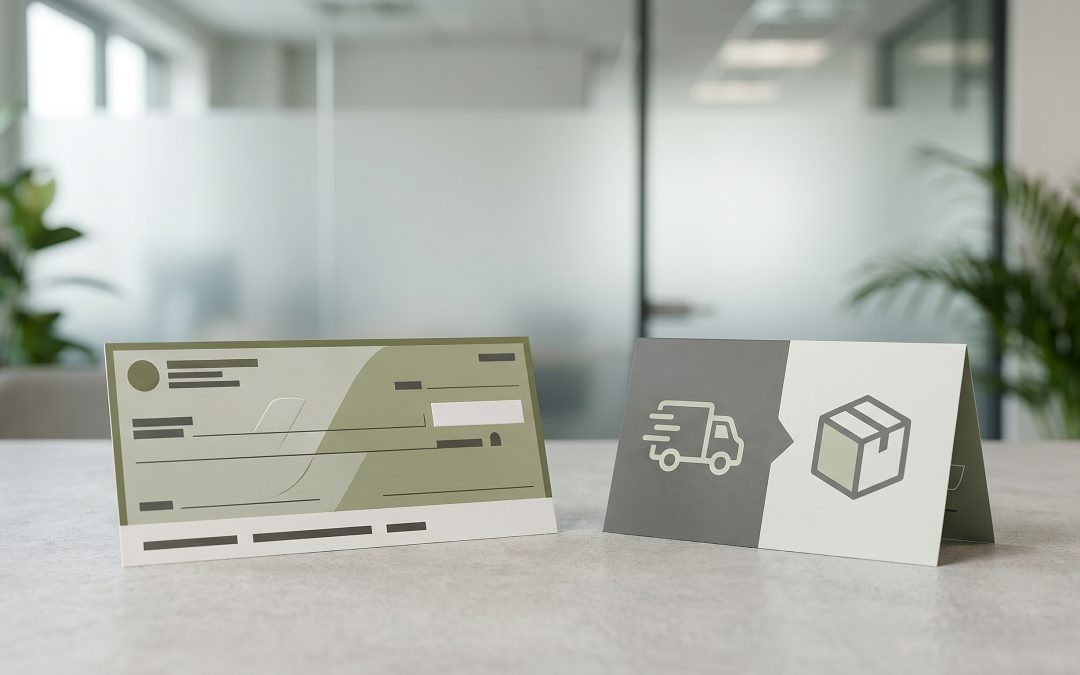
ITAD providers offer two fundamentally different commercial models: buy-back, where they pay you for your equipment, and free collection, where they take equipment at no cost. Understanding what drives each model helps you negotiate the best arrangement and avoid pitfalls.
Buy-Back Model
In a buy-back arrangement, the ITAD provider pays you an agreed price for your end-of-life equipment. The price may be set per unit, per kilogram, or as a lump sum for a batch. The provider takes ownership of the equipment and is responsible for data destruction, remarketing, and recycling.
Buy-back prices reflect the provider’s assessment of the equipment’s residual market value minus their processing costs and profit margin. Recent, high-specification equipment from major manufacturers commands the best buy-back prices. Older or lower-specification equipment generates lower prices, and some equipment may have zero or negative value.
When buy-back works best: Your equipment is relatively recent (typically less than four years old), in good working condition, from desirable manufacturers, and in sufficient volume to justify the provider’s logistics costs. Enterprise laptops, servers, and networking equipment are the most common buy-back candidates.
Free Collection Model
Free collection means the provider takes your equipment at no charge. You do not pay for the service, but you also do not receive any payment for the equipment. The provider generates revenue by remarketing whatever has value and recovering materials from the rest.
Free collection is essentially a break-even point where the value the provider can extract from your equipment roughly equals their cost of processing it. It is the model that typically applies to mixed batches that include some valuable items and some items with limited or no resale value.
When free collection works best: Your equipment is a mix of ages and types, where the value of the newer items offsets the cost of processing the older ones. It also works for equipment that is functional but not valuable enough to justify a buy-back payment.
What to Watch For
In both models, ensure that data destruction is explicitly included and certified. Some free collection operators skip or minimise data destruction to maximise their margin. Verify that the service includes certified data destruction regardless of the commercial model.
With buy-back, verify how the valuation was determined and whether you are getting a fair price. Compare the offered buy-back price against current secondary market prices for your equipment to ensure the provider is not significantly undervaluing your assets.
With free collection, understand what the provider plans to do with your equipment. Are they remarketing functional items and recycling the rest through certified channels? Or are they cherry-picking valuable items and potentially mishandling the rest?
Negotiating the Best Outcome
For the best financial outcome, separate your equipment into categories. Newer, high-value equipment should be quoted on a buy-back or revenue-share basis. Mixed or lower-value equipment may work on a free collection basis. And items with no value that will incur processing costs should be quoted as a fee-for-service.
This segmented approach ensures you capture value where it exists and manage costs where it does not, rather than accepting a single blended arrangement that may undervalue your best equipment.