
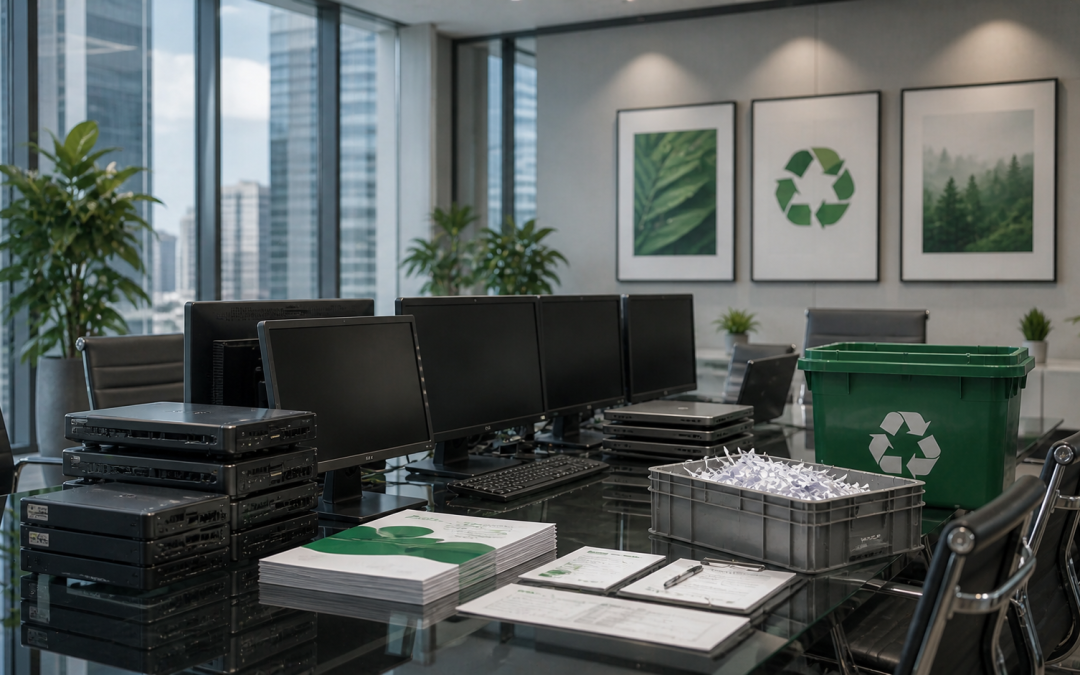
Education Sector Sustainability: Schools Leading by Example
How schools can manage e-waste responsibly on a tight budget, protect student data on retired devices, and turn their own collections into a learning opportunity for students.
How schools can manage e-waste responsibly on a tight budget, protect student data on retired devices, and turn their own collections into a learning opportunity for students.

How to write a sustainable procurement policy for IT equipment, covering minimum standards, tender weighting, lifecycle cost analysis, supplier questions and a provision for refurbished equipment.
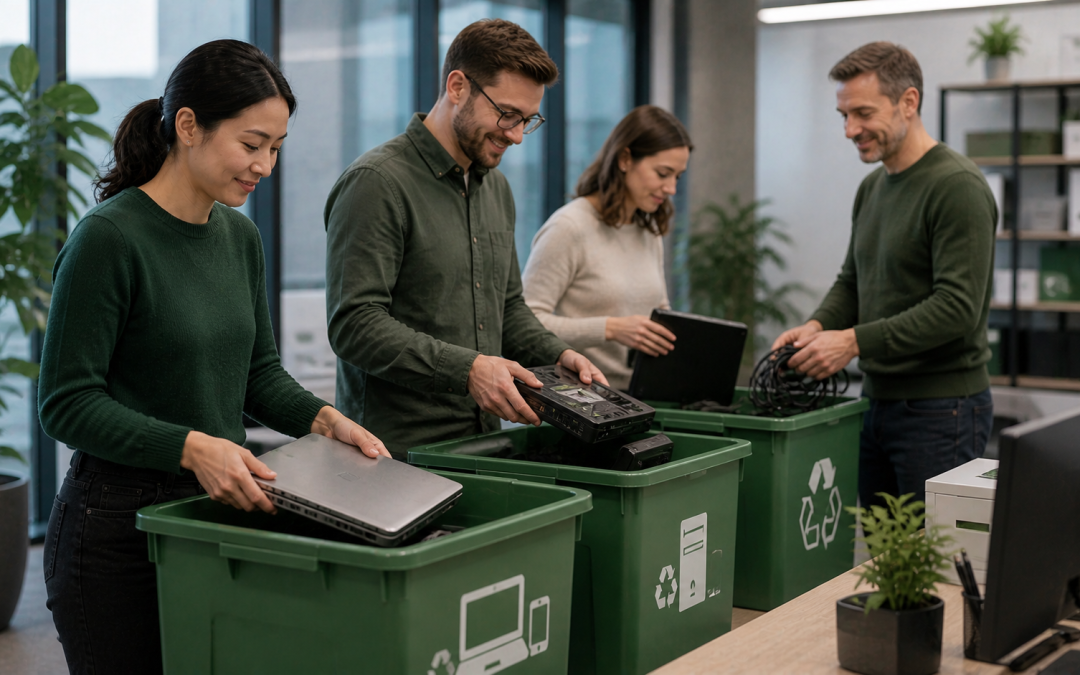
How to buy IT equipment with end of life in mind: the environmental criteria to ask vendors about, useful ecolabels, total cost of ownership, procurement policy and the refurbished option.
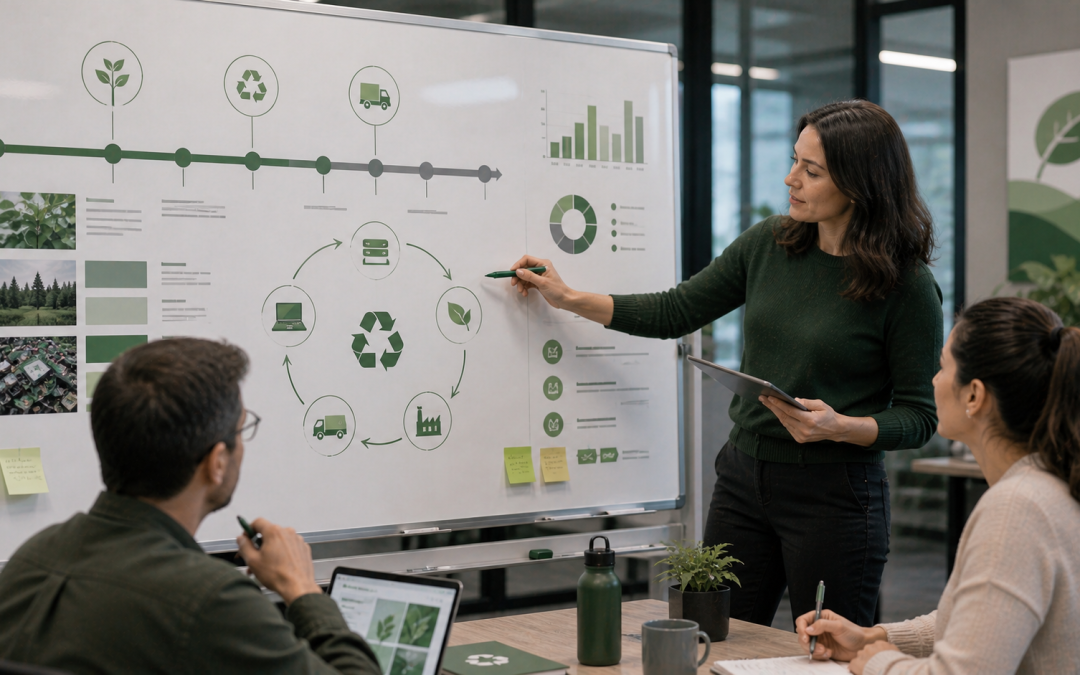
How e-waste processing sites monitor air, water, soil and noise, how EPA Victoria regulates them, and the questions to ask a recycler about its environmental performance before you book.
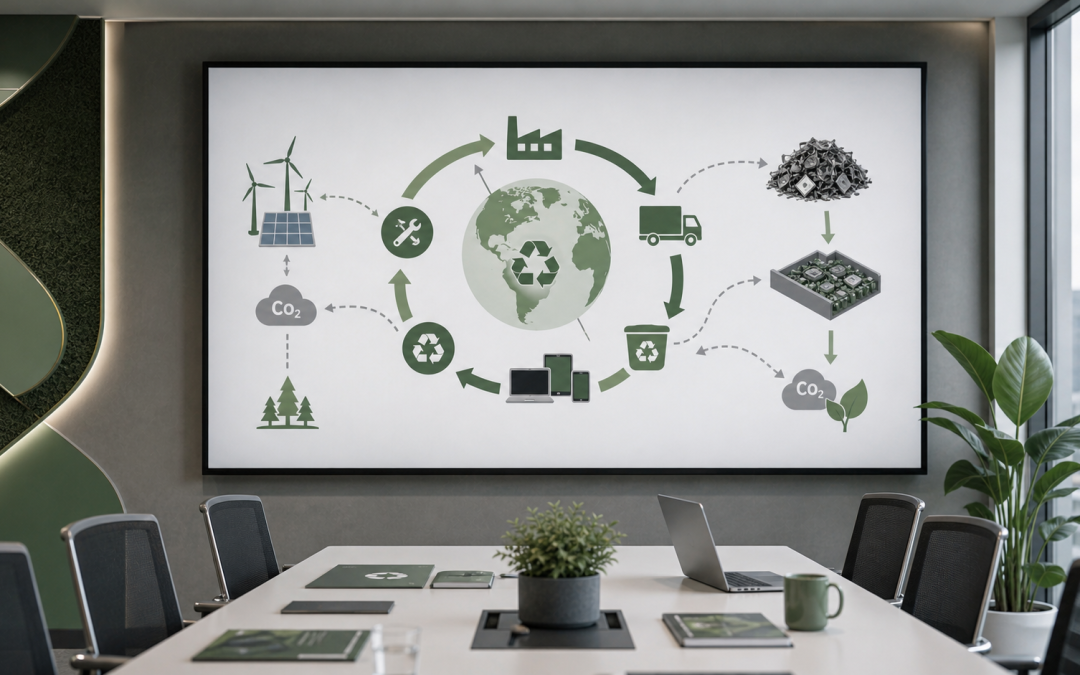
How circular economy thinking applies to carbon in IT equipment, why longer device life and refurbishment cut the annual share of embodied carbon, and which metrics show progress.

Who bears the health and environmental harms of e-waste, from informal recycling sites overseas to communities near Australian facilities, and the questions to ask your e-waste provider.