
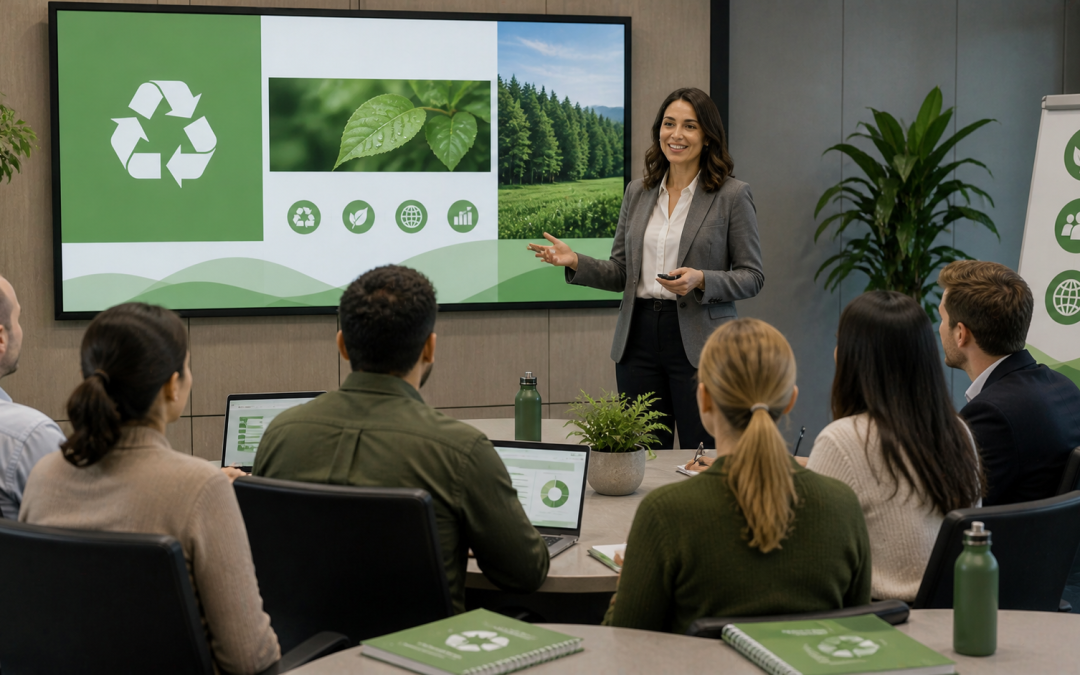
Your customers care about sustainability more than you might think. Research consistently shows that environmental practices influence purchasing decisions, particularly in B2B markets where procurement teams are under increasing pressure to demonstrate responsible supply chain management. If your organisation manages e-waste well, communicating those achievements to customers can strengthen relationships and differentiate your offer.
Why Customers Care About Your E-Waste Practices
For business customers, your environmental practices are part of their Scope 3 emissions. When they report on their supply chain’s environmental impact, your performance becomes their performance. Organisations with strong sustainability programs increasingly require their suppliers to demonstrate responsible practices, including how they manage electronic waste.
Consumer customers are also paying attention, though their priorities may differ. They tend to respond to clear, simple messages about environmental responsibility rather than detailed metrics. Both audiences value authenticity and evidence over unsubstantiated claims.
What to Communicate
Lead with outcomes rather than processes. Customers want to know what you achieved, not just what you did. Specific, quantified results carry far more weight than general statements of commitment. The number of devices diverted from landfill, the tonnes of materials recovered, the CO2e emissions avoided, and the percentage of equipment given a second life through refurbishment are all compelling data points.
Certifications and compliance achievements also resonate, particularly with B2B customers conducting due diligence. Being able to reference compliance with Victoria’s e-waste landfill ban, alignment with AS/NZS 5377, and certified data destruction processes addresses specific concerns that procurement and compliance teams care about.
Choosing the Right Format
Different communication formats serve different purposes. Your website is the foundation, providing an always-available resource where customers can explore your sustainability practices at their own pace. A dedicated sustainability page with current data and downloadable reports serves as a reference point for procurement teams and interested stakeholders.
Proposal responses and tender documents are where e-waste achievements can directly influence commercial outcomes. When responding to tenders that include sustainability criteria, present your data clearly and link it to the specific requirements being assessed.
Regular customer communications, whether newsletters, account reviews, or annual reports, keep your environmental achievements visible without being pushy. Include sustainability updates alongside operational and commercial content so they become a natural part of your customer dialogue.
Making Data Accessible
Not every customer wants to read a detailed sustainability report. Create multiple levels of information: a brief summary for those who want the headlines, a more detailed overview for those evaluating your credentials, and full reports or data sheets for those conducting thorough due diligence.
Visual formats like infographics, summary cards, and short videos can communicate key achievements quickly and memorably. These work particularly well on social media and in email communications where attention spans are limited.
Handling Questions and Scrutiny
Communicating your achievements invites questions, and that is a good thing. Be prepared to provide additional detail when asked. Common questions include how your data is verified, what certifications your processing partners hold, what happens to equipment that cannot be refurbished, and how you handle data-bearing devices.
Having clear, honest answers to these questions strengthens your credibility. If there are areas where your program is still developing, acknowledge them and explain your improvement plans. Customers respect transparency more than the appearance of perfection.
Avoiding Greenwashing
The line between legitimate communication and greenwashing is drawn at evidence. Every claim you make should be backed by data you can produce if challenged. Avoid vague language, superlatives without context, and implications that go beyond what your data supports.
Be specific about scope. If your diversion rate applies to computers and monitors but not to all electronic equipment, say so. If your CO2e calculations use a specific methodology, reference it. Precision builds trust; vagueness erodes it.
Building Long-Term Value
Sustainability communication is most effective as a consistent, long-term effort rather than a one-off campaign. Regular updates showing year-on-year improvement tell a compelling story of genuine commitment. Each reporting period adds another data point that strengthens your narrative and makes your sustainability credentials more robust.
Over time, this consistent communication positions your organisation as a trusted partner for customers who value environmental responsibility, creating a competitive advantage that is difficult for less committed competitors to replicate.
For more on integrating e-waste data into your broader sustainability reporting, see our guide on ESG reporting and e-waste for Australian businesses.