
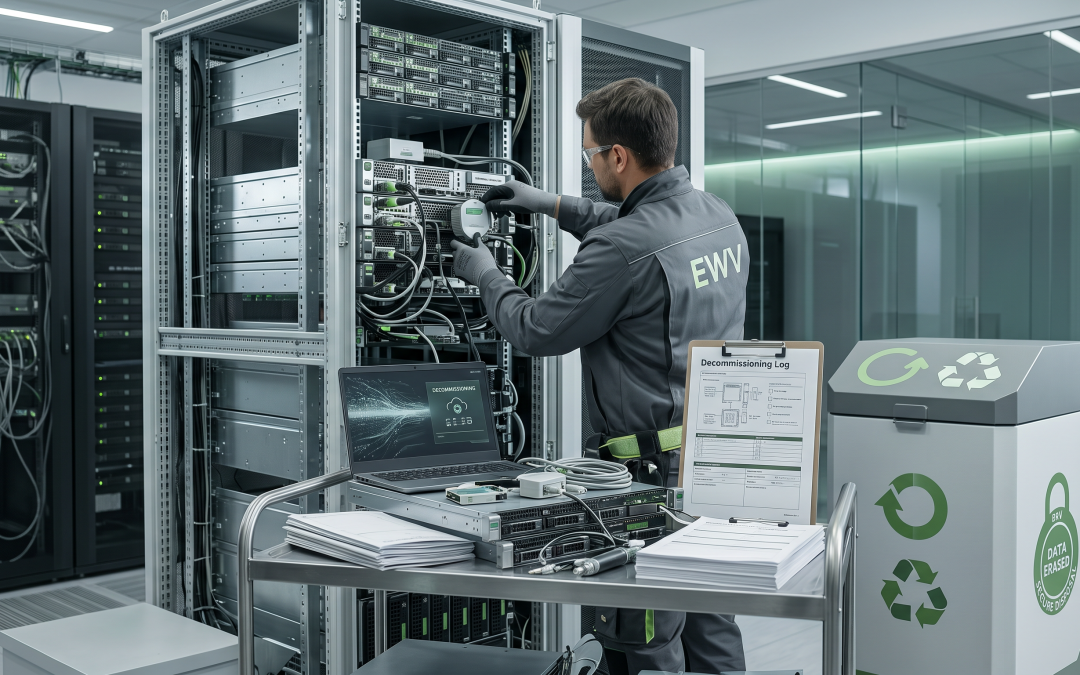
Digital twins have become a cornerstone of modern engineering, manufacturing, and facilities management. These virtual replicas of physical assets, processes, and systems generate and store enormous volumes of data. When the physical asset is retired or the digital twin platform is decommissioned, organisations face important questions about what to do with all that data and the infrastructure that supported it.
Understanding Digital Twin Data Footprints
A digital twin is far more than a 3D model. It typically encompasses real-time sensor data feeds, historical performance records, simulation results, predictive maintenance algorithms, and integration points with other enterprise systems. The infrastructure supporting a digital twin might include dedicated servers, edge computing devices, IoT gateways, specialised GPUs for simulation processing, and substantial network equipment.
For a large manufacturing facility, a digital twin platform might accumulate terabytes of operational data over its lifecycle. This data often includes proprietary process parameters, equipment performance benchmarks, and predictive models that represent significant intellectual property.
Why Decommissioning Requires Careful Planning
When an organisation decides to retire a digital twin, whether because the physical asset has been decommissioned, the platform is being migrated, or the technology has been superseded, simply deleting files and recycling hardware is not sufficient.
Digital twin data is typically distributed across multiple systems. Sensor data may reside on edge devices at the asset location, processed data on local servers, and aggregated analytics in cloud platforms. Simulation models might be stored separately from the operational data they reference. Integration APIs may have cached data in middleware layers that are easy to overlook.
Each of these data repositories needs to be identified, assessed for sensitivity, and handled according to appropriate data destruction standards before the underlying hardware can be safely disposed of.
Data Classification Challenges
One of the trickier aspects of digital twin decommissioning is classifying what data actually needs protection. Operational telemetry from a building management system might seem innocuous until you realise it reveals occupancy patterns, security system configurations, and access control schedules. Manufacturing process data could expose trade secrets or quality control weaknesses.
Organisations should work with both their engineering teams and information security teams to classify digital twin data before beginning any decommissioning work. The engineers understand what the data represents operationally, while security teams can assess the risk if that data were exposed.
Hardware Considerations
The physical infrastructure supporting digital twins often includes specialised equipment that requires particular attention during disposal. High-performance computing nodes with multiple storage devices, GPU arrays that may have onboard memory, and IoT edge devices with embedded storage all present different sanitisation challenges.
Edge computing devices deployed in industrial settings deserve special attention. These devices often run continuously for years, accumulating data locally even when they are supposed to be forwarding everything to central systems. Firmware updates, local caching, and failover configurations can all leave data residues that persist after the primary data stores are cleared.
Following established sanitisation guidelines like NIST 800-88 provides a solid framework, though some embedded devices may require physical destruction rather than software-based wiping.
Cloud and Hybrid Considerations
Many digital twin implementations use cloud or hybrid architectures. Decommissioning these environments means ensuring data is removed not just from primary storage but also from backups, disaster recovery sites, content delivery networks, and any analytics platforms that ingested the data.
Cloud service providers typically offer data deletion tools, but organisations should verify that deletion is complete and request confirmation. Data retained in cloud provider backups may persist for weeks or months after deletion depending on the provider’s retention policies.
Regulatory and Compliance Dimensions
Depending on the industry and the type of asset being modelled, digital twin data may fall under various regulatory requirements. Healthcare facility twins may contain data subject to health privacy laws. Critical infrastructure twins could be covered by the Security of Critical Infrastructure Act. Manufacturing twins might contain data subject to export control regulations if they model defence-related equipment.
Understanding which regulations apply to your specific situation before beginning decommissioning helps ensure compliance and avoids potential penalties.
Building Decommissioning into the Lifecycle
The best time to plan for digital twin decommissioning is during initial deployment. Organisations that document their data architecture, classify data sensitivity upfront, and establish clear retention policies find the eventual decommissioning process far simpler and more secure. As digital twins become standard practice across industries, treating their end of life with the same rigour as their deployment is becoming a business necessity.
EWV handles IT asset disposition (ITAD) end-to-end for Victorian businesses — from collection and data destruction through to certified recycling or refurbishment for resale. Get in touch for a tailored ITAD quote.