
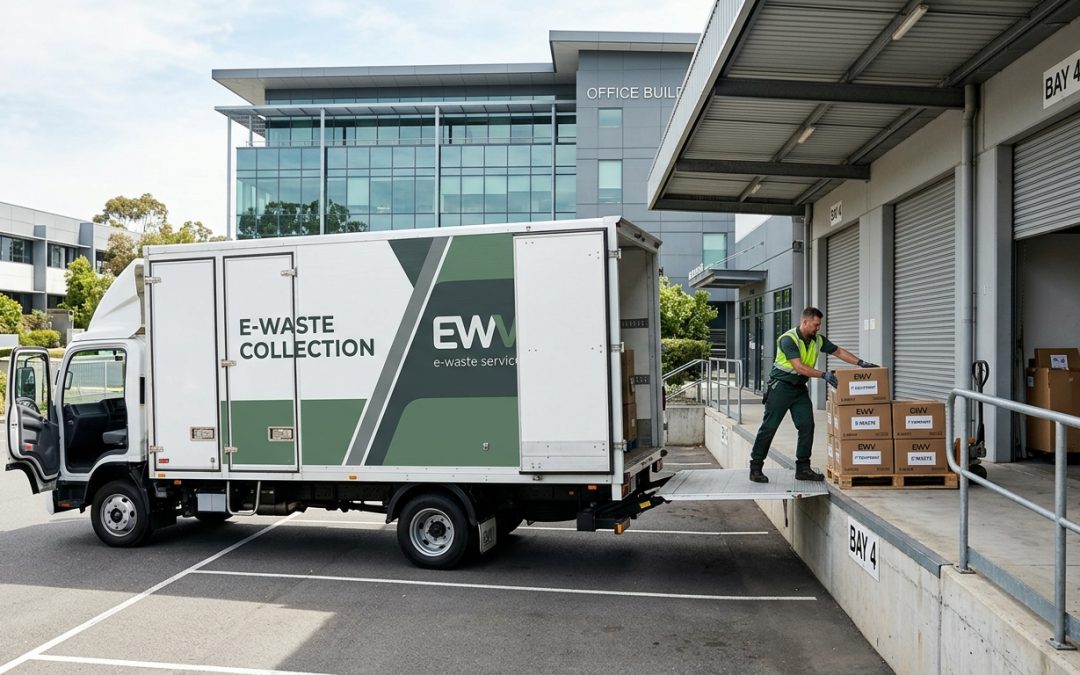
Getting E-Waste Collected from Your Door
Not everyone has the vehicle, physical ability, or time to transport e-waste to a drop-off point. Old CRT televisions weigh 30-40 kg. Accumulated office equipment fills a boot quickly. And some people simply don’t have access to a car. E-waste pickup services solve this problem by collecting your electronic waste directly from your home or business. Here’s what to know about how these services work and what to look for.
Types of Pickup Services
Council hard waste collection. Most Victorian councils offer hard waste collection that includes e-waste. Depending on your council, this may be a scheduled annual or biannual collection where the council sets the dates, an on-demand booking system where you request a collection at a time that suits you, or a combination of both. Council collections are typically free for residents (funded through rates) and are the most straightforward option for household e-waste.
Commercial e-waste collection. Businesses can arrange pickup through commercial e-waste recyclers and ITAD providers. These services handle everything from a few items to full office clearouts. Unlike council services, commercial collections usually involve a fee, though this may be offset by the value of recoverable equipment.
Charity collections. Some charitable organisations collect working electronics for refurbishment and redistribution. These services typically focus on functional equipment that can serve a second user rather than e-waste destined for recycling.
Marketplace and peer-to-peer pickup. Platforms like Facebook Marketplace and Gumtree facilitate “pickup” arrangements where buyers collect items from your location. This works for individual items with resale value but isn’t practical for bulk e-waste disposal.
What to Expect from a Council Collection
Booking: You’ll typically need to book in advance, either through your council’s website, app, or phone line. Lead times vary from a few days to several weeks depending on demand and your council’s schedule.
Item placement: Councils generally ask you to place items on your nature strip (the area between your property boundary and the road) on the morning of collection or the evening before. Some councils specify that e-waste should be kept separate from other hard waste items.
What’s accepted: Most council collections accept a broad range of e-waste including computers, TVs, printers, small appliances, and other household electronics. Very large items like commercial equipment may need separate arrangements.
What’s not accepted: Some councils exclude certain items from hard waste collection, such as items containing refrigerant gases (fridges, air conditioners) which need specialist handling. Check your council’s specific exclusions before booking.
What to Expect from a Commercial Collection
Commercial e-waste pickup services typically provide a more structured experience:
Initial consultation. The service will ask about the type and volume of equipment, its location (ground floor, upper floors, loading dock access), and any specific requirements like data destruction or documentation needs.
Quotation. You’ll receive a quote based on the volume, type of material, and any special services required. For businesses with valuable equipment (recent-model laptops, servers, networking gear), the value of recoverable assets may offset or exceed collection fees.
Scheduling. Commercial collections are typically scheduled at a mutually convenient time. Many services offer same-week or next-week collection for standard volumes.
On-site process. The collection team arrives with appropriate vehicles and equipment. They’ll inventory the items collected, handle the physical removal, and provide documentation. For items requiring data destruction, on-site wiping or removal of storage drives may be performed.
Documentation. Reputable commercial services provide collection certificates, asset inventories, and later, certificates of data destruction and recycling documentation. This paperwork is essential for businesses with compliance obligations.
Red Flags to Watch For
Not all e-waste collection services operate to the same standards. Watch for these warning signs:
No documentation provided. If a collector can’t or won’t provide written confirmation of what was collected and how it will be processed, find a different service. Documentation protects both parties and demonstrates proper handling.
Vague about processing. Ask what happens to collected equipment. A reputable service can explain their processing chain clearly. Reluctance to discuss downstream handling is a concern.
“Free” collection without clear business model. While council-funded services are legitimately free, commercial operators offering free collection should be able to explain how they fund their operations. The cheapest option isn’t always the best when data security and environmental compliance are at stake.
No environmental credentials. Look for operators with relevant environmental certifications or permits. Check that they hold appropriate waste transport and processing licenses for your jurisdiction.
Preparing for Pickup
Whether using a council or commercial service, a bit of preparation ensures smooth collection:
Gather everything in one location. Having all items ready and accessible speeds up the collection process and ensures nothing gets missed.
Remove personal data first. Wipe devices before they leave your possession. Don’t rely on the collector to handle data destruction unless it’s specifically part of the agreed service.
Separate batteries where possible. Remove loose batteries from devices and bag them separately. This helps the collector sort material safely.
Note any hazardous items. If you have swollen batteries, damaged devices, or items you’re unsure about, mention them when booking so the collector can prepare appropriately.
E-waste pickup services make responsible disposal accessible to everyone, regardless of transport limitations. Whether you use your council’s free service or arrange commercial collection, the key is ensuring your e-waste reaches a proper recycling facility rather than sitting in storage or ending up where it shouldn’t.
EWV helps Victorian businesses manage e-waste and IT asset disposal compliantly and sustainably — including collection, certified data destruction, and recycling. Contact us for a free quote.