
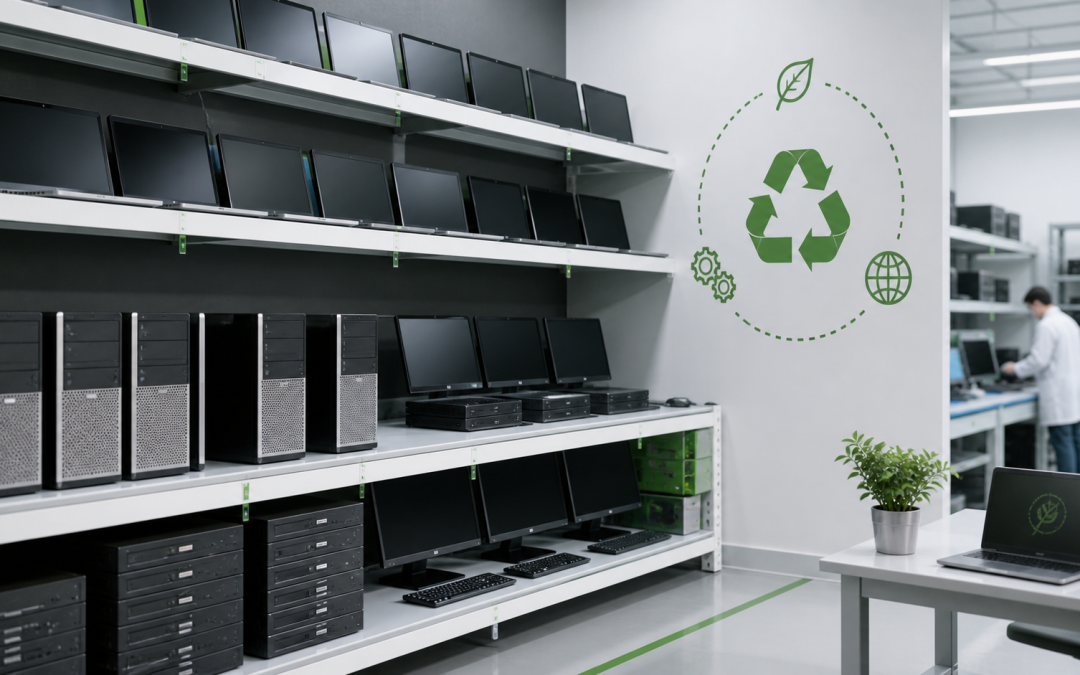
Energy recovery, sometimes called waste-to-energy, involves extracting energy from waste materials through controlled combustion or other thermal processes. While energy recovery is an established approach for some waste streams, its application to electronic waste raises specific environmental, economic, and ethical questions. Understanding the pros and cons helps organisations evaluate energy recovery as part of a broader e-waste management strategy and distinguish it from more circular approaches like refurbishment and materials recycling.
How Energy Recovery from E-Waste Works
Energy recovery from e-waste typically involves thermal processes where the combustible materials in electronics, primarily plastics, are burned under controlled conditions to generate heat, which is then used to produce electricity or district heating. Modern waste-to-energy facilities operate at high temperatures (typically above 850 degrees Celsius) and use sophisticated emission control systems to minimise the release of toxic pollutants.
Some advanced processes include pyrolysis, which heats materials in the absence of oxygen to produce synthetic gas and oil, and gasification, which converts materials into a combustible gas mixture. These processes can handle some of the organic fraction of e-waste, though metals and glass require separate processing.
The Arguments in Favour
Energy recovery has some legitimate advantages in specific contexts. It diverts waste from landfill, and in jurisdictions like Victoria where e-waste is banned from landfill, energy recovery is preferable to illegal dumping or stockpiling of materials that cannot be economically recycled.
Not all e-waste materials can be efficiently recycled. Some mixed plastics, composite materials, and degraded components have limited recycling value and may otherwise have no productive end-of-life pathway. Energy recovery captures some value from these materials rather than simply disposing of them.
Modern waste-to-energy facilities generate electricity that displaces fossil fuel generation, providing a modest climate benefit compared to landfilling the same waste. The energy content of the plastics in electronics is comparable to that of coal, though the volumes are much smaller.
The Arguments Against
Despite these advantages, energy recovery from e-waste has significant drawbacks that limit its desirability. Destruction of valuable resources is the most fundamental concern. Electronics contain valuable metals, including gold, silver, copper, palladium, and platinum group metals, that are permanently lost when equipment is burned rather than recycled. The economic and environmental value of these materials typically exceeds the value of the energy recovered.
Emission concerns persist even with modern pollution control. While high-temperature incineration with emission controls dramatically reduces toxic releases compared to open burning, some residual emissions of heavy metals, dioxins, and other pollutants still occur. The presence of brominated flame retardants, PVC, and heavy metals in electronics makes their combustion more complex than burning general waste.
Ash management is required for the residues from e-waste incineration, including bottom ash and fly ash, which contain concentrated heavy metals and other toxins. This ash typically requires disposal in hazardous waste facilities, creating an ongoing waste management obligation.
The circular economy argument is that burning materials to recover energy is a one-way, linear process. It prevents those materials from being returned to the manufacturing cycle, which would deliver greater environmental benefit through avoided primary production.
Carbon emissions from burning the plastic fraction of e-waste release CO2, contributing to climate change. While this is partially offset by the displaced fossil fuel generation, the net climate impact is debatable, particularly as the electricity grid decarbonises and the carbon displacement value of waste-to-energy diminishes.
Where Energy Recovery Makes Sense for E-Waste
In a well-designed e-waste management programme, energy recovery plays a limited but legitimate role for specific material fractions. It suits non-recyclable mixed plastics that cannot be separated or economically recycled, heavily contaminated materials where recycling would be impractical, and residual fractions from recycling processes where all recoverable materials have already been extracted.
It is not appropriate for complete electronic devices that could be refurbished, functional components that could be harvested for reuse, materials with established recycling pathways (metals, clean plastics, glass), or data-bearing devices that require certified destruction but could be shredded and recycled rather than burned.
The Australian Context
Australia has relatively limited waste-to-energy infrastructure compared to countries like Denmark, Sweden, or Japan, where it is well established. Several new facilities are planned or under construction, but the technology remains controversial in some communities.
For Australian organisations managing e-waste, the priority should be maximising refurbishment, reuse, and materials recycling, with energy recovery only for the small fraction of material that truly has no other productive end-of-life pathway. This approach aligns with the waste hierarchy, maximises resource recovery, and supports the circular economy for electronics.
For guidance on ensuring your e-waste follows the most environmentally beneficial pathway, see our complete guide to e-waste recycling in Australia.
]]>