
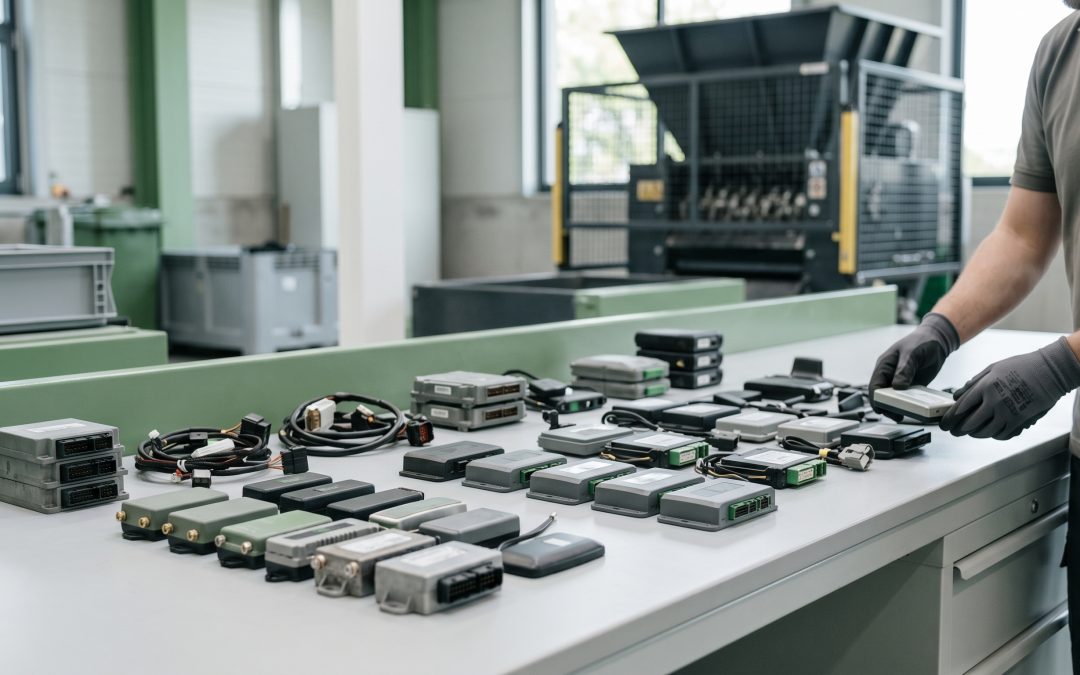
The Data-Rich Reality of Modern Fleet Vehicles
Modern fleet vehicles are rolling data centres. Telematics systems track location, speed, fuel consumption, and driver behaviour. In-cab computers store delivery schedules, customer addresses, and route histories. Dashcams record continuous video footage. Infotainment systems sync with drivers’ phones, downloading contacts, call logs, and messages. When fleet vehicles are sold, returned to lessors, or scrapped, all of this data goes with them unless proper steps are taken.
The transition to connected vehicles has dramatically increased the volume of data stored in fleet assets. A vehicle that was once just a mechanical asset now contains multiple data-storing systems, each accumulating information throughout the vehicle’s operational life. Fleet managers who are meticulous about vehicle servicing and compliance often overlook the data dimension when vehicles reach end of life.
Types of Data in Fleet Vehicle Systems
GPS and telematics systems record the vehicle’s location history, often at intervals of seconds. For fleet vehicles, this location data reveals customer addresses, regular routes, service schedules, and operational patterns. For vehicles used by field staff, location data may reveal personal patterns if the vehicle is used outside work hours.
Electronic logging devices (ELDs) and driver compliance systems store driver identification, hours of service records, and work diary information. This data includes personal information about individual drivers and is subject to privacy protection.
In-cab computers and mobile data terminals used in delivery, service, and logistics operations store customer details, delivery manifests, service orders, and operational instructions. A delivery van’s in-cab computer might contain years of customer names, addresses, and order details.
Dashcams and cabin cameras record continuous video that captures road conditions, incidents, and potentially footage of customers, property, and bystanders. Some systems include audio recording. This footage is personal information when it captures identifiable individuals.
Infotainment and Bluetooth systems paired with drivers’ personal phones may retain contact lists, call logs, text messages, and navigation destinations. When drivers change or vehicles are reassigned, this personal data persists unless specifically deleted.
Diagnostic systems and engine control modules store performance data, fault codes, and maintenance histories. While less sensitive from a privacy perspective, this data may have commercial value or competitive significance for fleet operations.
Disposal Scenarios for Fleet Vehicles
Fleet vehicles typically leave the organisation through sale at auction, return to leasing companies, trade-in on replacement vehicles, or scrapping at end of useful life. In each scenario, the data in the vehicle’s technology systems needs to be addressed.
Sale at auction is the highest-risk scenario. The buyer is unknown, and there is typically no opportunity to perform data clearing after the sale. All data must be removed before the vehicle goes to auction. Auction houses focus on the mechanical and cosmetic condition of vehicles, not their data content.
Lease returns carry similar risks to IT equipment lease returns. The leasing company will refurbish and resell the vehicle without necessarily addressing data in telematics or infotainment systems. The lessee is responsible for data removal before return.
Trade-in to dealers means the vehicle enters the used car market with whatever data it contains. Dealers may or may not reset vehicle systems as part of their preparation for resale.
Data Clearing Procedures
Before any fleet vehicle leaves the organisation’s control, a systematic data clearing process should be followed. Start with the infotainment system: unpair all Bluetooth devices, delete all stored contacts and call logs, clear navigation history and saved destinations, and perform a factory reset of the system.
For telematics units, consult the telematics provider about decommissioning procedures. Some providers can remotely wipe or deactivate units. If the telematics hardware is owned by the fleet rather than the provider, the unit should be removed from the vehicle or its data cleared according to the manufacturer’s instructions.
In-cab computers and mobile data terminals should have their storage wiped following NIST 800-88 standards where the hardware supports it. For specialised devices with proprietary operating systems, consult the device manufacturer about secure data removal.
Dashcam systems should have their storage media, typically SD cards or internal storage, removed or securely wiped. For cloud-connected dashcam systems, confirm that the vehicle’s data has been removed from the cloud platform as well as the local device.
Electronic logging devices and driver compliance systems should be cleared of all driver-specific data. The ELD provider may need to be involved in the decommissioning process, particularly if the device maintains data that is subject to transport regulatory requirements.
Policy and Documentation
Fleet management policies should include a section on data handling during vehicle disposal. This section should specify the data clearing steps required before any vehicle leaves the fleet, assign responsibility for performing and verifying data clearing, require documentation that all data clearing steps have been completed, and address the handling of telematics data stored on cloud platforms.
A data clearing checklist for vehicle disposal helps ensure consistency, particularly in large fleets where multiple staff members may be involved in the disposal process. The checklist should cover every data-bearing system in the standard fleet vehicle configuration.
Documentation of data clearing should be retained alongside other vehicle disposal records. If a data security question arises about a former fleet vehicle, the clearing documentation provides evidence that the organisation took appropriate steps before releasing the vehicle.
The Growing Data Footprint of Fleet Technology
As fleet vehicles become increasingly connected, with more sensors, more data collection, and more integration with business systems, the data disposal challenge will only grow. Organisations that establish clear data clearing procedures now, while the technology landscape is still manageable, will be better positioned to handle the more complex connected vehicles of the future. Treating vehicle technology data with the same discipline applied to traditional IT equipment is no longer optional; it is a necessary part of responsible fleet management.
EWV helps Victorian businesses manage e-waste and IT asset disposal compliantly and sustainably — including collection, certified data destruction, and recycling. Contact us for a free quote.