
The Electronic Side of Fitness
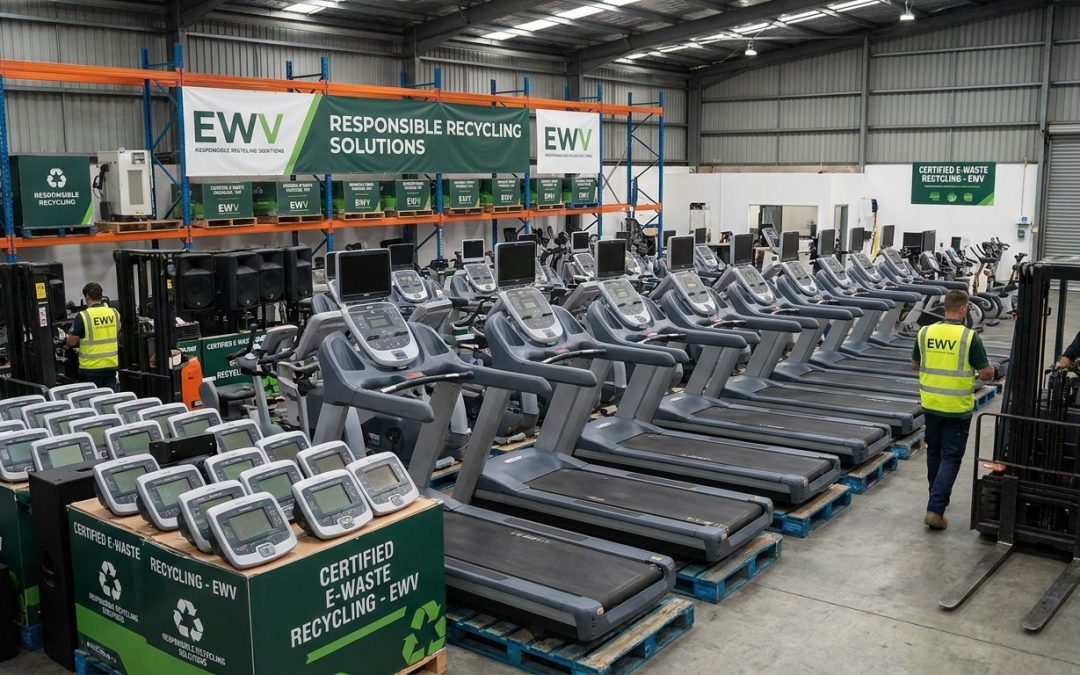
Walk into any modern gym or fitness centre and you will find technology everywhere. Treadmills with built-in touchscreens, electronic access control turnstiles, member check-in kiosks, point-of-sale systems, body composition scanners, heart rate monitoring systems, and sound equipment for group fitness classes are all standard. The fitness industry has become deeply technology-dependent, and that means it generates a steady stream of electronic waste that needs responsible management.
The technology lifecycle in gyms is driven by two forces. First, commercial fitness equipment has a finite lifespan. Treadmills, cross-trainers, rowing machines, and stationary bikes used in commercial settings endure far more wear than home equipment, typically lasting 5 to 8 years before requiring replacement. Second, member expectations drive upgrades. Gym-goers expect current technology, connected fitness experiences, and well-maintained equipment. Facilities that fall behind on technology risk losing members to competitors with newer setups.
For franchise operations and gym chains, these replacement cycles generate significant volumes of e-waste when multiplied across dozens or hundreds of locations. A national fitness chain upgrading cardio equipment across 100 clubs might retire thousands of machines in a single project, each containing electronic components that need proper disposal.
Electronic Components in Fitness Equipment
The e-waste challenge in gyms extends well beyond the obvious computers and tablets. Commercial cardio equipment contains surprisingly sophisticated electronics. Modern treadmills have touchscreen consoles with embedded computers, Wi-Fi connectivity, Bluetooth modules, and internal storage. Some models run full Android or proprietary operating systems and connect to online platforms that track member workouts.
- Cardio machine consoles (touchscreens, embedded computers, Wi-Fi modules)
- Electronic resistance systems in strength equipment
- Member access control systems (turnstiles, card readers, biometric scanners)
- Body composition and fitness assessment devices
- Heart rate monitoring receivers and wearable systems
- Group fitness audio systems and microphones
- Digital signage and entertainment screens
- HVAC controls and building management systems
- Security cameras and monitoring equipment
- POS systems for reception, shop, and cafe
Strength training equipment is increasingly electronic as well. Pin-loaded machines with digital rep counters, electronic resistance adjustment systems, and connected strength platforms all contain circuit boards, displays, and wiring. While the steel frames of strength equipment are easily recycled as scrap metal, the electronic components need to be separated and processed as e-waste.
When a gym undergoes a full equipment refresh, the volume of electronic components can be substantial. The consoles alone from 50 treadmills, 30 cross-trainers, 20 bikes, and 10 rowing machines represent a significant collection of computers, screens, and circuit boards. Add in the control systems from strength equipment, and the electronic waste from a single gym refit can fill multiple pallets.
Member Data on Gym Systems
Gyms and fitness centres hold considerable personal information about their members. Membership management systems store names, addresses, dates of birth, contact details, bank account or credit card information for direct debits, and sometimes health questionnaire responses. Access control systems log member visits, creating detailed records of when individuals attend the facility.
Body composition scanners and fitness assessment devices store biometric data including weight, body fat percentage, muscle mass measurements, and sometimes health metrics like blood pressure. This health-related data is sensitive under the Privacy Act 1988 and should be treated with appropriate care during disposal.
Connected cardio equipment that links to member profiles may store workout histories, heart rate data, and performance metrics on local storage or cached from cloud platforms. While this data might seem low-risk compared to financial information, it constitutes personal health information that members would expect to be protected.
For gyms using biometric access control (fingerprint scanners, facial recognition), the biometric data stored on these systems is among the most sensitive categories of personal information. Biometric data cannot be changed like a password, making its protection particularly important. These systems need certified data destruction when decommissioned. For more detail, see our guide to data breach prevention through IT disposal.
The Equipment Leasing Factor
Many gyms lease their commercial fitness equipment rather than purchasing it outright. Leasing arrangements typically include provisions for equipment return at the end of the lease term, with the leasing company or equipment supplier managing the logistics of collection and disposal or remarketing.
However, gym operators still have data security obligations regardless of equipment ownership. Member data stored on leased equipment consoles needs to be wiped before the equipment is returned to the lessor. Simply returning equipment without addressing data is like handing back a filing cabinet full of member records.
For equipment that is owned rather than leased, the gym is responsible for the full disposal process. Working with the equipment supplier or a specialist ITAD provider to coordinate removal and recycling is typically the most efficient approach, especially for large-scale replacements.
24/7 Gyms and Unstaffed Facilities
The growth of 24/7 unmanned gym models has created facilities that are more technology-dependent than ever. These gyms rely on electronic access control, automated check-in systems, CCTV monitoring, remote management platforms, and automated lighting and HVAC systems. When these facilities are refurbished, relocated, or closed, the technology infrastructure is extensive.
The security camera systems in 24/7 facilities are particularly important from a data perspective. These cameras operate continuously and the recording systems accumulate large volumes of footage showing members and visitors. DVR or NVR units from these facilities need secure data destruction before disposal to protect the privacy of everyone captured on camera.
Practical Steps for Fitness Businesses
Fitness businesses can manage their e-waste effectively by treating it as a standard part of equipment lifecycle management. Here is what that looks like in practice:
When planning equipment replacements, include disposal in the project scope and budget from the beginning. Get quotes for removal and recycling of old equipment at the same time as quotes for new equipment. Some equipment suppliers will handle removal of old units as part of the installation service, but confirm what happens to the equipment after removal and whether data destruction is included.
For the facility’s IT infrastructure (member management systems, POS, access control), use a certified ITAD provider who can provide data destruction certificates. This is especially important for biometric systems, payment processing equipment, and any device that has stored member health information.
- Separate electronic consoles from equipment frames for proper e-waste processing
- Wipe all member data from cardio consoles before equipment leaves the facility
- Ensure biometric data is destroyed on access control systems
- Include CCTV recording devices in the disposal plan
- Confirm data destruction for POS and payment systems
- Request certificates of recycling and data destruction for compliance records
Victorian gyms and fitness centres must comply with the state’s e-waste landfill ban, which covers everything from cardio console screens to security cameras. For the full regulatory picture, see our overview of e-waste laws and regulations across Australia.
The fitness industry promotes health and wellbeing as its core mission. Extending that commitment to the environmental health of the communities it serves by managing e-waste responsibly is a natural alignment of values and operations.
EWV helps Victorian businesses manage e-waste and IT asset disposal compliantly and sustainably — including collection, certified data destruction, and recycling. Contact us for a free quote.