
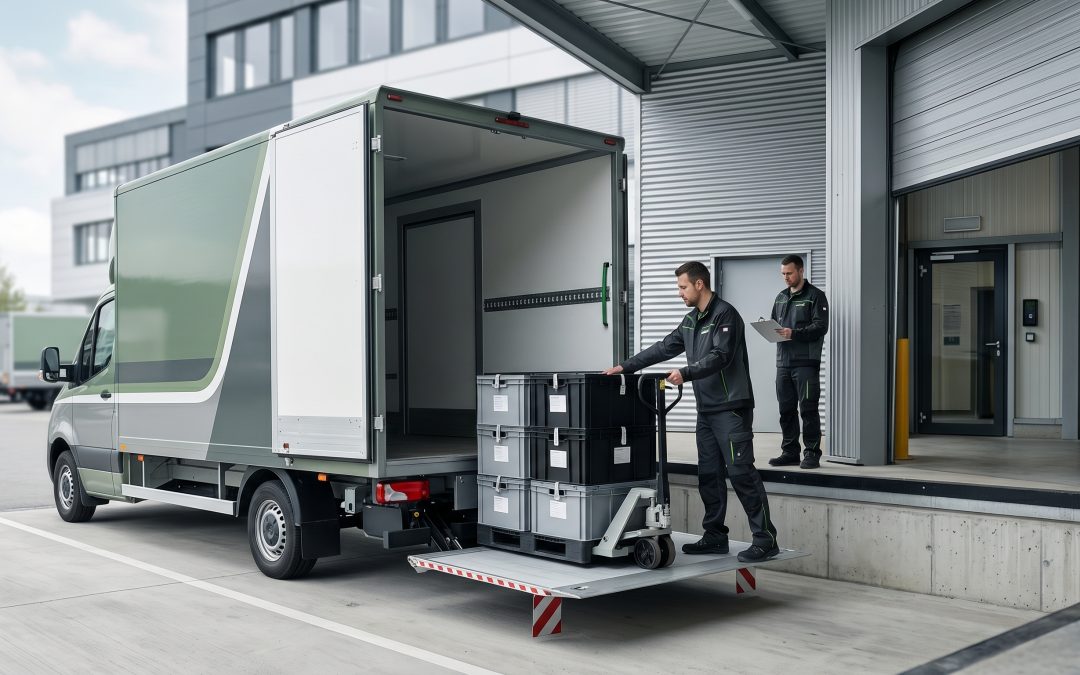
The journey between your premises and the ITAD processing facility is one of the most vulnerable points in the entire disposal chain. Equipment is moving through public spaces, potentially changing hands between drivers and warehouse staff, and is exposed to risks ranging from theft to accidental damage. How your IT equipment is transported during disposal matters far more than most organisations realise.
Why Transport Security Matters
Consider what is on those devices being loaded onto a truck. Customer databases, financial records, employee information, intellectual property, authentication credentials. Until data destruction is confirmed, every device in transit is a potential data breach waiting to happen. A single laptop falling off a truck or a pallet going to the wrong address could trigger obligations under the Notifiable Data Breaches scheme.
Transport is also where theft is most likely to occur. IT equipment has resale value, and devices in transit are more accessible than those stored in your office or the ITAD provider’s secure facility. Professional theft from logistics chains is more common than many organisations appreciate.
Secure Packaging
Proper packaging serves both security and damage prevention purposes. For bulk collections, equipment should be packed into secure containers such as locked cages, sealed gaylords (pallet-sized boxes), or purpose-built transport cases. Loose items on open pallets wrapped in cling film are not adequate for data-bearing equipment.
Tamper-evident seals on containers provide a simple but effective security measure. These seals are numbered and recorded on the collection manifest. When the container arrives at the processing facility, the seal number is checked against the manifest, and the seal is inspected for any signs of tampering. If the seal is broken or the numbers do not match, that container gets flagged for immediate investigation.
For high-security shipments, consider using containers with built-in locks rather than relying solely on seals. Some ITAD providers supply purpose-built security containers specifically designed for transporting data-bearing equipment.
Vehicle Requirements
The vehicle used to transport your IT equipment should meet minimum security standards. Enclosed and lockable cargo areas are essential. Open-tray trucks or vehicles where equipment is visible from outside are not appropriate for data-bearing assets. GPS tracking on the vehicle allows both you and the ITAD provider to monitor the shipment’s location in real time.
Dedicated vehicles that carry only IT equipment for disposal are preferable to shared logistics where your devices travel alongside other commercial cargo. Shared transport increases the risk of mix-ups and exposes your equipment to more people during loading and unloading stops.
For particularly sensitive shipments, security escort or courier services provide an additional layer of protection, though this is typically only warranted for classified material or extremely high-value assets.
Driver and Personnel Vetting
Everyone who handles your equipment during transport should be vetted to a level appropriate to the data sensitivity involved. At minimum, this means the ITAD provider should conduct background checks on all transport staff. For higher security requirements, consider police checks, reference verification, and security clearances where applicable.
Ask your ITAD provider about their hiring and vetting processes for transport personnel. Also ask whether they use their own staff for collections or subcontract to third-party logistics providers, as subcontracting introduces additional parties who have access to your equipment.
Chain of Custody During Transport
Transport is where chain of custody documentation is most critical. At collection, record exactly what was loaded, including container numbers, seal numbers, and a count of devices. Have both your representative and the collection driver sign the manifest. At delivery, the same verification happens in reverse, with the receiving team confirming container integrity and matching the delivery against the collection manifest.
Any discrepancy between what was collected and what arrives should be investigated immediately, not noted for later follow-up. The longer a discrepancy goes uninvestigated, the harder it becomes to determine what happened. A robust asset lifecycle management process includes clear protocols for handling transport discrepancies.
Insurance and Liability
Confirm that your ITAD provider carries adequate insurance covering equipment in transit. Their policy should cover theft, loss, and damage during transport. Check the policy limits to ensure they are sufficient for the value of equipment being transported, particularly for large collections or high-value assets.
Clarify the liability handoff point. At what moment does responsibility for the equipment transfer from you to the ITAD provider? Typically, this is at the point of collection when the manifest is signed, but it should be explicitly stated in your contract.
Planning the Collection
Good transport security starts with good planning. Coordinate the collection time to minimise the period that equipment sits packed and ready in an accessible area. Have equipment staged and ready for quick loading to reduce the time the collection vehicle is on-site. Ensure someone with appropriate authority is present to sign off on the collection. Brief the collection team on any site-specific requirements (loading dock access, building security procedures, restricted hours).
For multi-site collections, establish a route that minimises transit time and the number of stops. Each stop is an opportunity for something to go wrong, so efficient routing reduces overall risk.
Selecting a Provider with Strong Transport Practices
When evaluating ITAD providers, transport security should be part of your assessment. Ask to see their transport procedures, inspect their vehicles if possible, and request references from clients with similar security requirements. A provider who takes transport seriously is usually one who takes the entire disposal process seriously.
EWV helps Victorian businesses manage e-waste and IT asset disposal compliantly and sustainably — including collection, certified data destruction, and recycling. Contact us for a free quote.