

E-Waste in Corporate Social Responsibility Reports
E-waste management in CSR reports: Melbourne guide to metrics, case studies & best practices for Victorian businesses committed to responsible IT disposal.
E-waste management in CSR reports: Melbourne guide to metrics, case studies & best practices for Victorian businesses committed to responsible IT disposal.

Victorian e-waste collection events and drop-off programs build community engagement, environmental awareness, and strengthen Melbourne relationships throu

Strategic e-waste partnerships in Victoria amplify sustainability. Discover how EWV collaborates with providers, industry groups, communities, and governme

Learn how Victorian businesses build compelling sustainability cases for e-waste and ITAD investments, covering financial benefits, risk reduction and comp
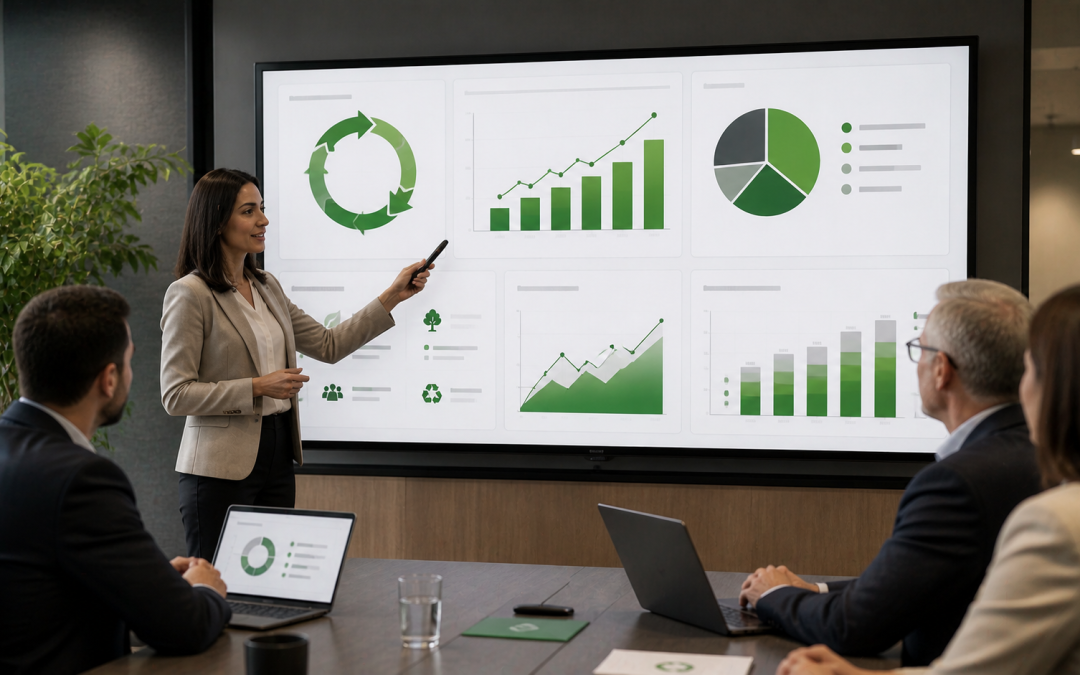
Design sustainability training for IT and procurement teams in Victoria. Learn how e-waste awareness drives better decisions about IT asset disposal and en
Tell your Victorian customers how you’re tackling e-waste with transparent data and proven achievements.
Track e-waste sustainability KPIs in Victoria. Learn to choose metrics, build systems & measure IT asset management impact for your Melbourne business.
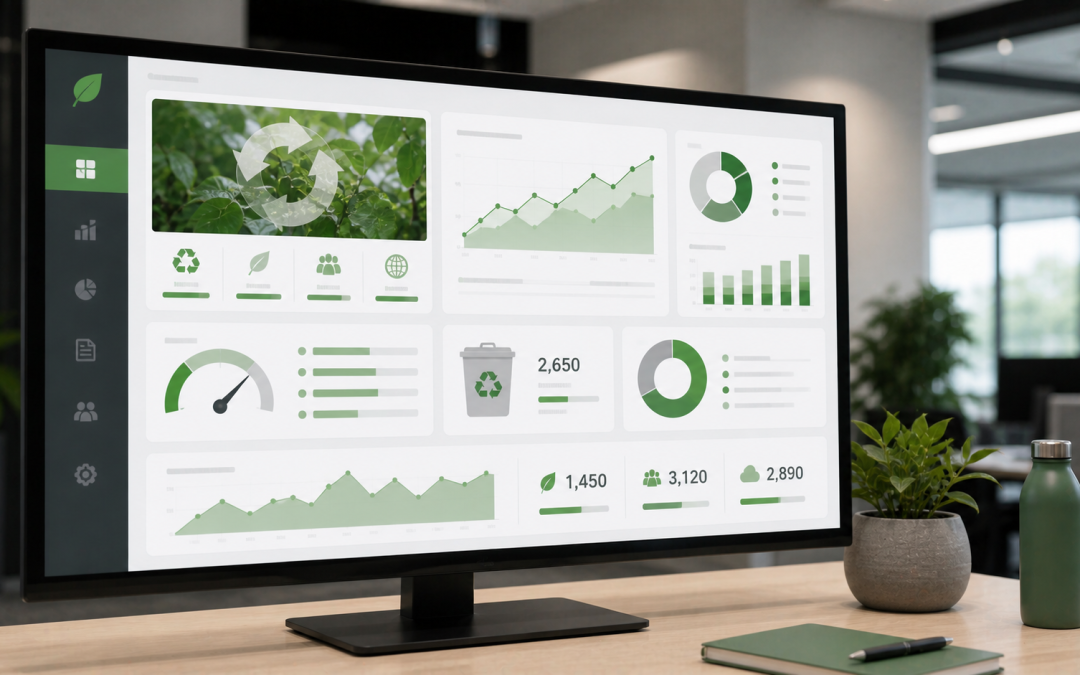
Set measurable e-waste reduction targets for your Victorian organisation. Learn baselines, target types & strategies to cut e-waste effectively with EWV.
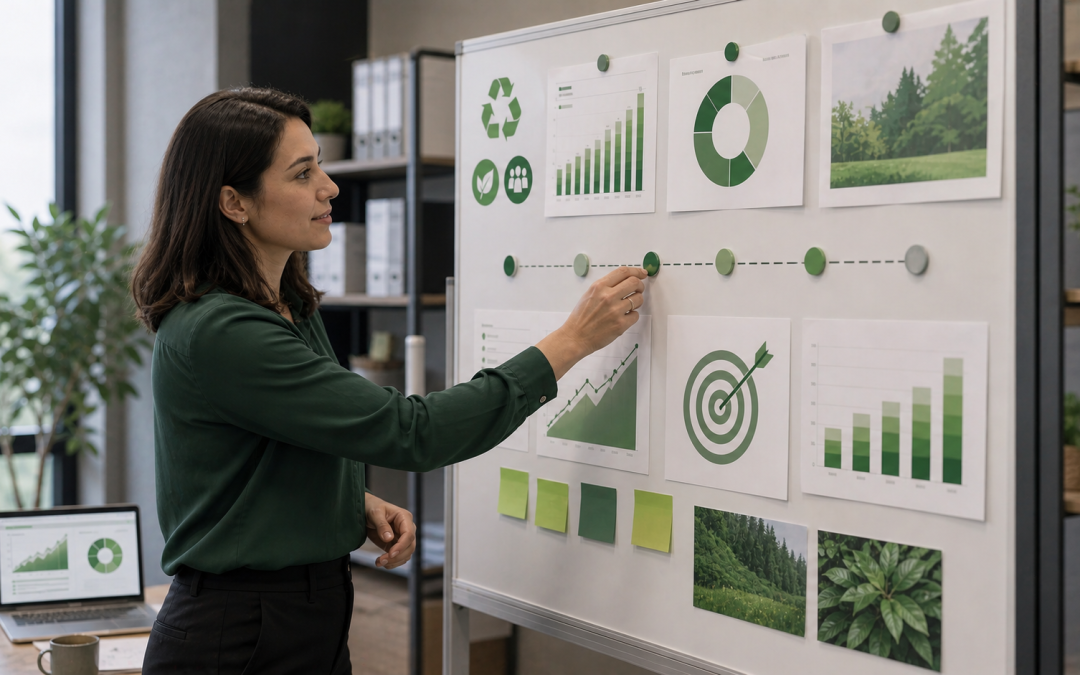
Engage diverse stakeholders on e-waste issues across Victoria. Learn strategies for internal teams, leadership, customers, investors, regulators & communit
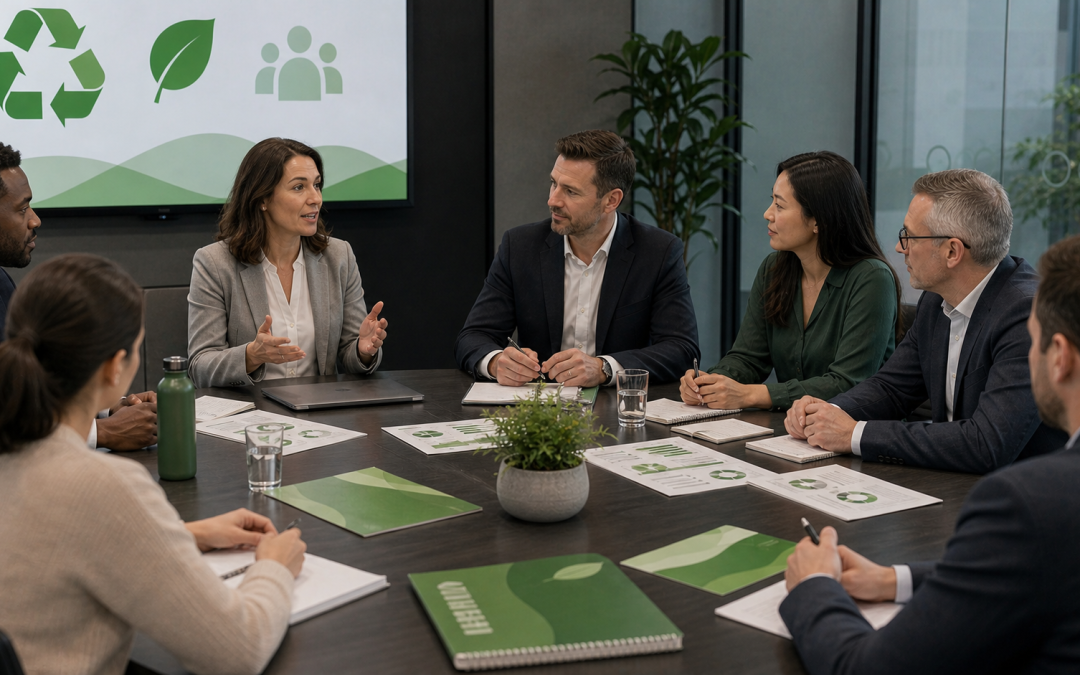
Write an effective IT section for your sustainability report covering e-waste, ITAD metrics, and frameworks—essential guidance for Victorian businesses.