
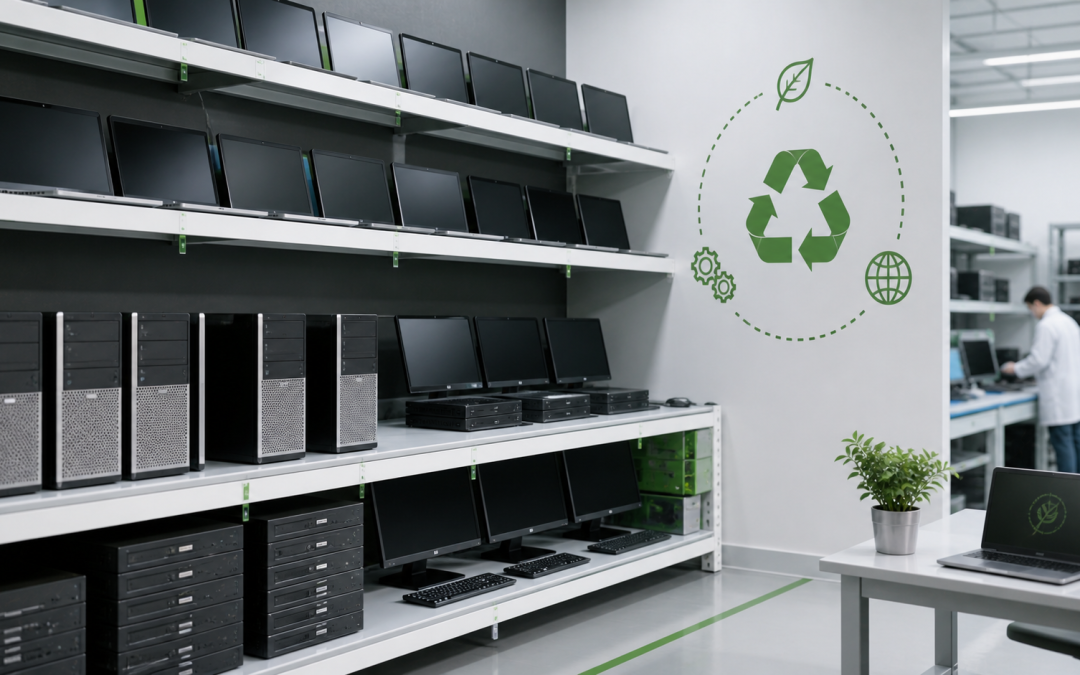
Energy Recovery from E-Waste: Pros and Cons
How waste-to-energy works for electronic waste, the arguments for and against it, where it sits in the waste hierarchy, and why it should only handle what can’t be reused or recycled.
How waste-to-energy works for electronic waste, the arguments for and against it, where it sits in the waste hierarchy, and why it should only handle what can’t be reused or recycled.
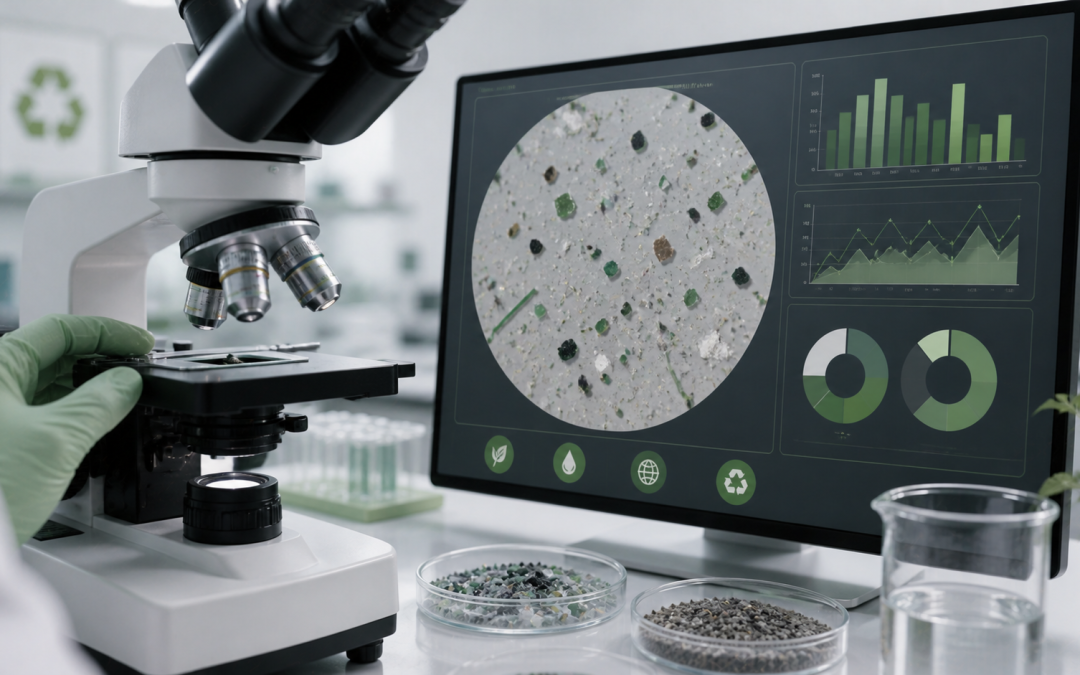
The plastics used in IT equipment, how they break down into microplastics through landfill, shredding and informal processing, and the practical steps organisations can take to reduce the problem.

How pollutants from badly managed e-waste reach the ocean, which contaminants cause the most concern for marine life and seafood, and what Australian businesses can do to reduce the risk.

Why informal recyclers burn e-waste, which toxic pollutants the smoke releases, how formal recycling avoids open burning, and how Australian businesses can keep their equipment out of it.
Which heavy metals are found in electronics, how they reach soil through landfill, dumping and informal recycling, and why preventing contamination is far more practical than cleaning it up.
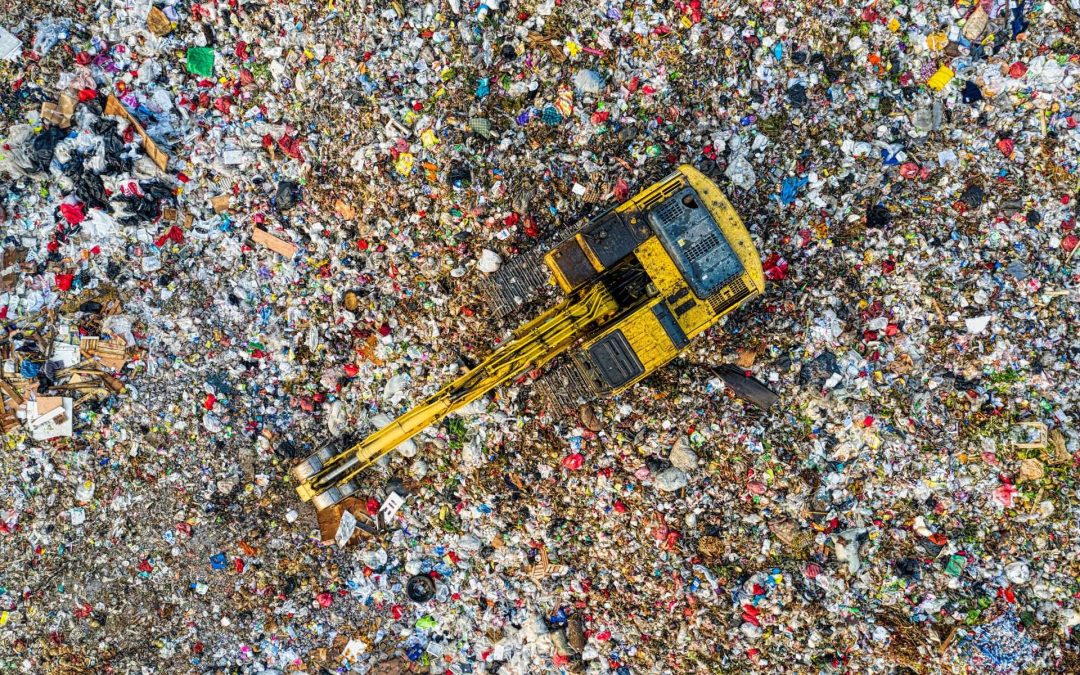
How e-waste breaks down in landfill, how leachate carries lead, mercury and other contaminants into soil and groundwater, and why Victoria has banned e-waste from landfill since 2019.