
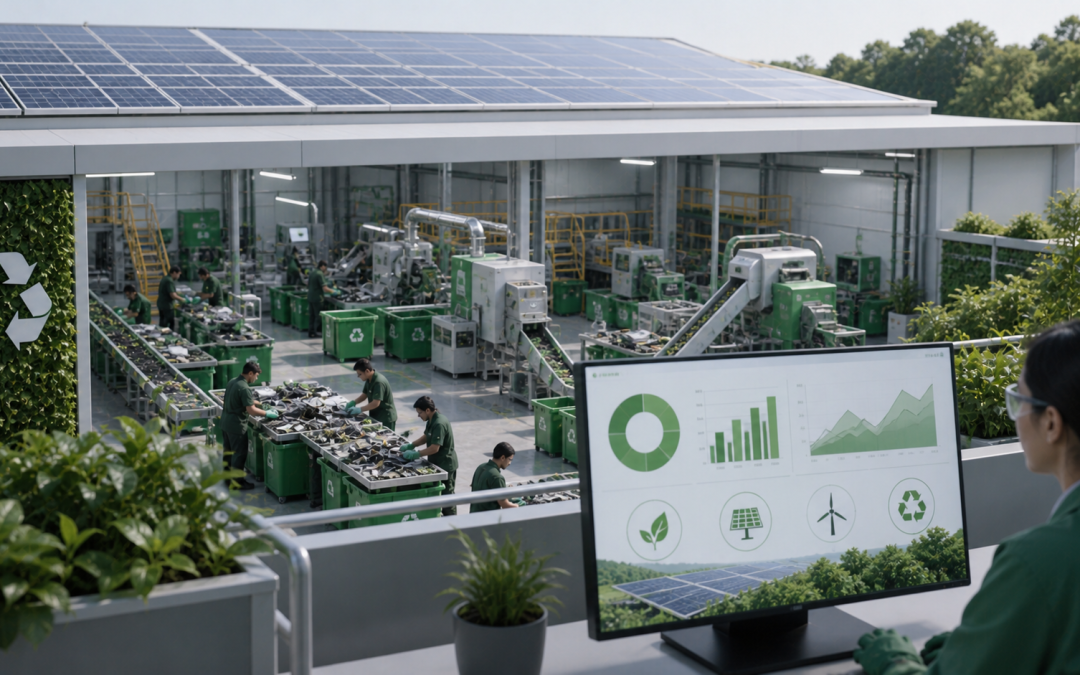
Renewable Energy in E-Waste Processing
Where energy is used in e-waste processing, why the electricity source matters for emissions, how processors adopt renewables, and how this affects your Scope 3 reporting for disposal.
Where energy is used in e-waste processing, why the electricity source matters for emissions, how processors adopt renewables, and how this affects your Scope 3 reporting for disposal.
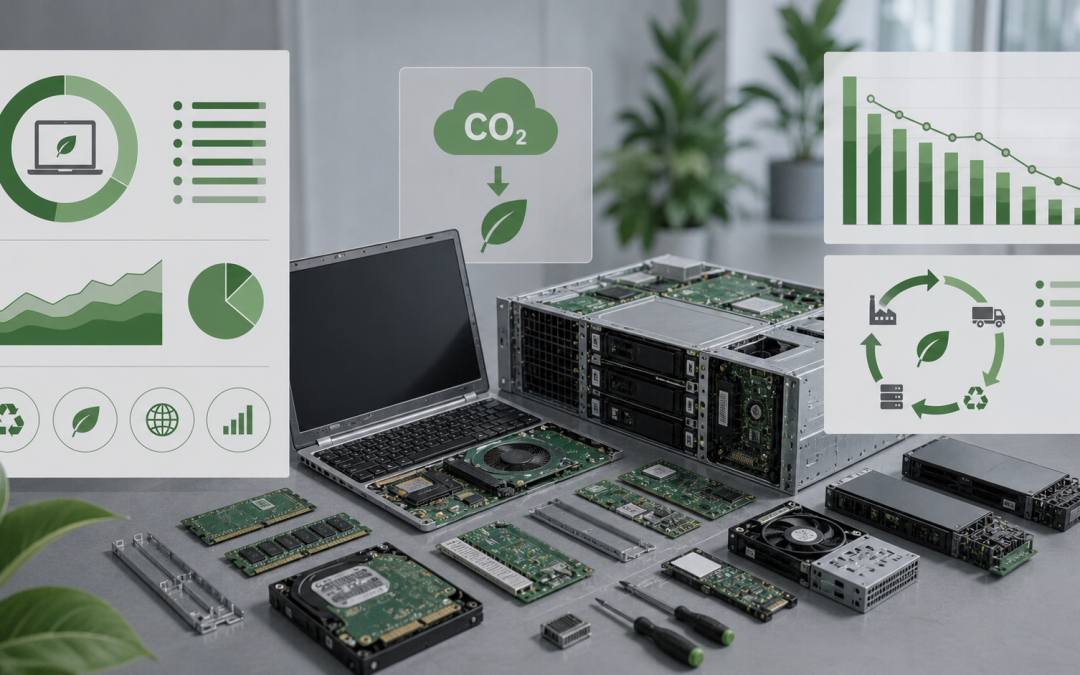
What embodied carbon is, which manufacturing stages drive it in IT equipment, and practical ways to reduce it through longer device life, refurbished hardware and better procurement.
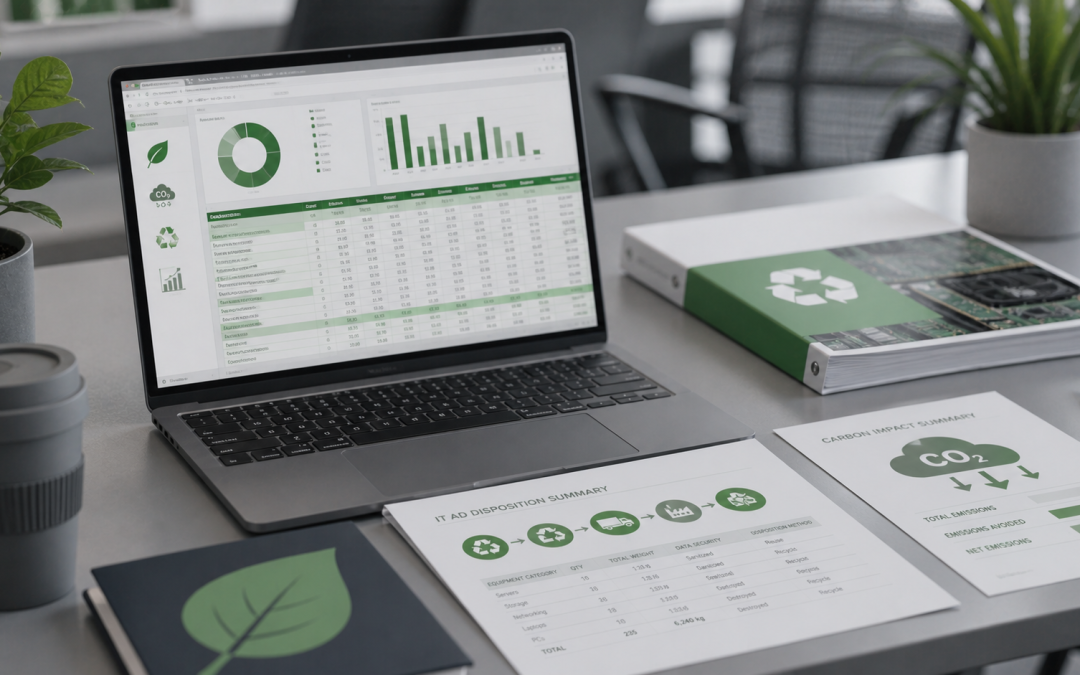
Where greenhouse gas emissions come from when e-waste is processed, how refurbishment, recycling and smelting compare, and how to report processing emissions under Scope 3 Category 5.
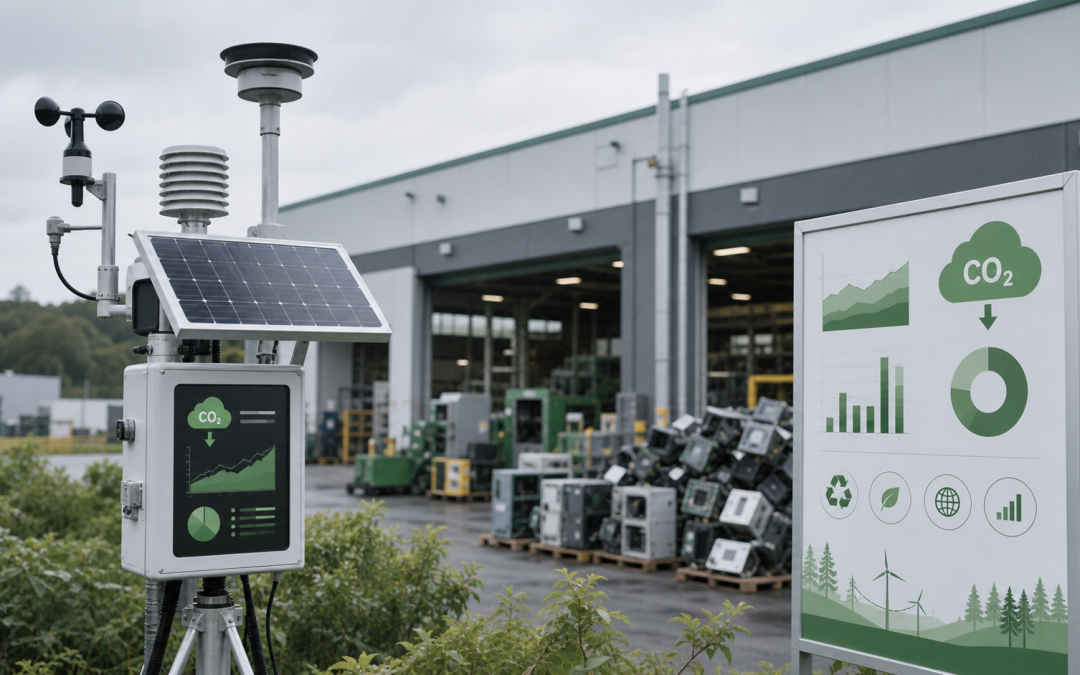
How mining for the metals and minerals in electronics affects biodiversity, from habitat loss to water pollution and fragmentation, and how reuse and recycling reduce demand for new extraction.
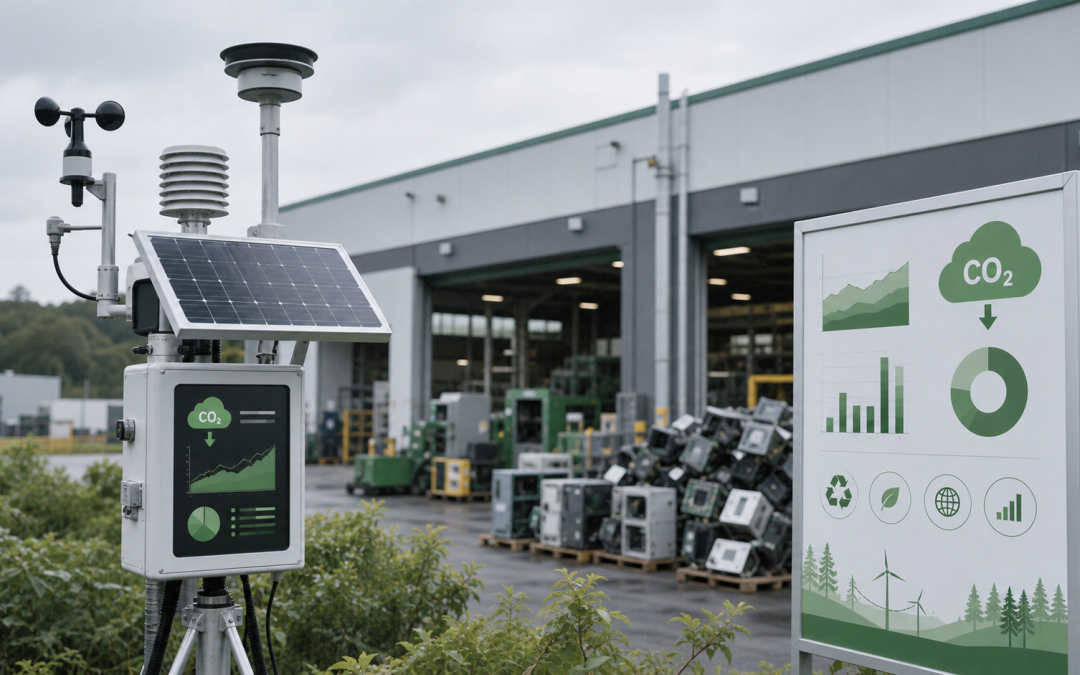
Which stages of electronics manufacturing use the most water, from chip fabrication to battery materials, why water stress is a supply chain risk, and how longer device life reduces your share.
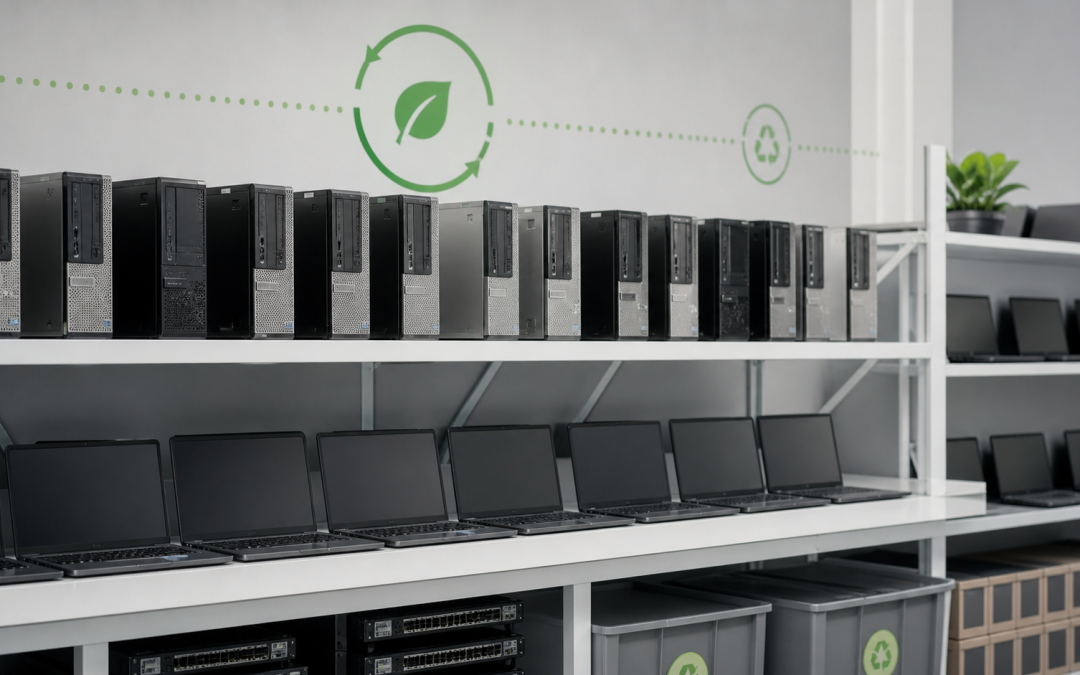
The materials inside a typical business laptop, why reusing IT equipment conserves more resources than recycling alone, and practical reuse strategies with sensible ways to measure the results.