

Net Zero Targets and IT Equipment: A Business Guide
Achieve net zero targets by managing IT equipment lifecycle responsibly. Learn embodied carbon, emissions reduction, and e-waste disposal best practices for Victorian businesses.
Achieve net zero targets by managing IT equipment lifecycle responsibly. Learn embodied carbon, emissions reduction, and e-waste disposal best practices for Victorian businesses.
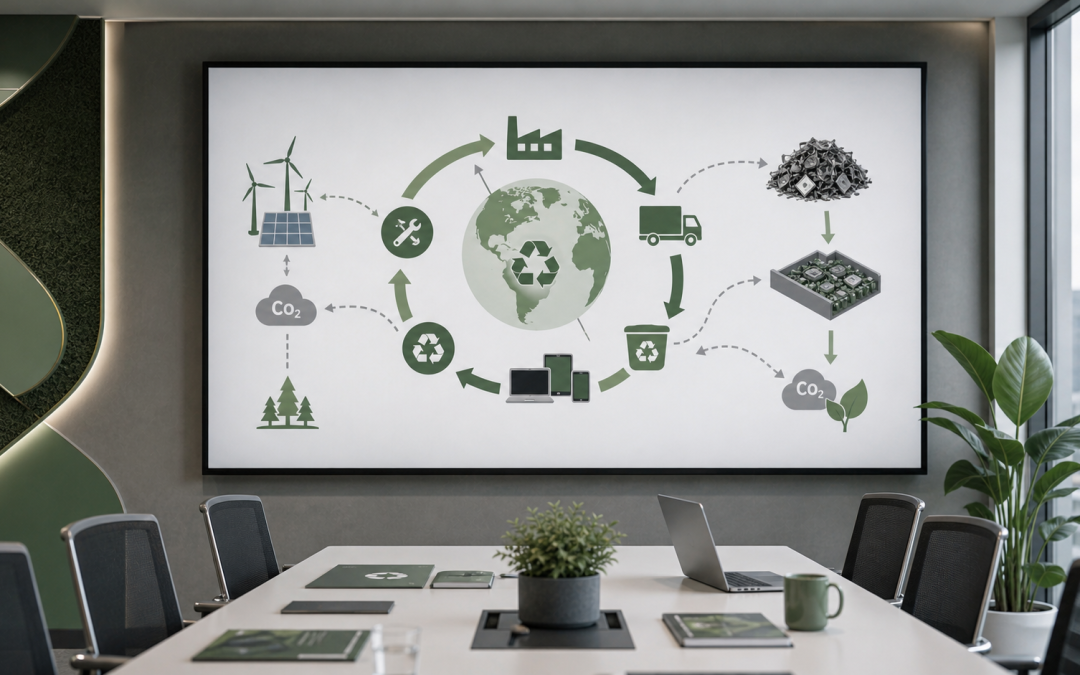
Learn how Victoria’s e-waste recycling and ITAD practices support the circular carbon economy by keeping electronics in use and reducing environmental impa

Discover how environmental justice connects to e-waste processing in Victoria. Learn how EWV ensures fair distribution of recycling burdens across communit
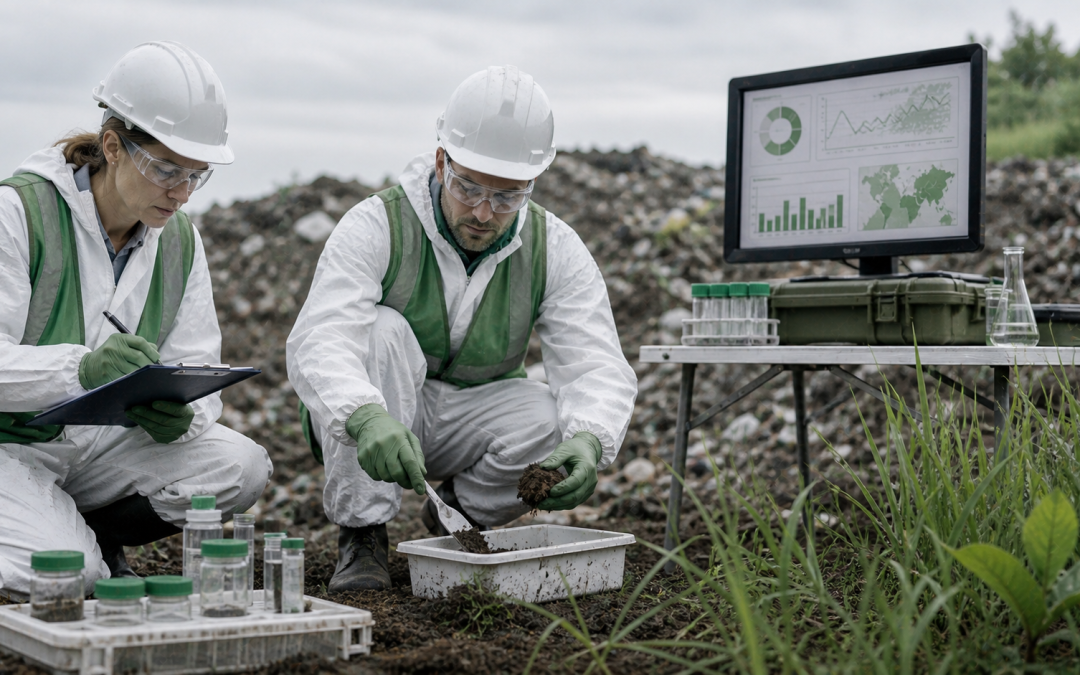
Learn how Victorian e-waste contamination damages soil through heavy metals and chemicals.

Electronics supply chains drive deforestation. Learn how Victorian e-waste recycling and ITAD practices reduce environmental impact across Australia’s IT s
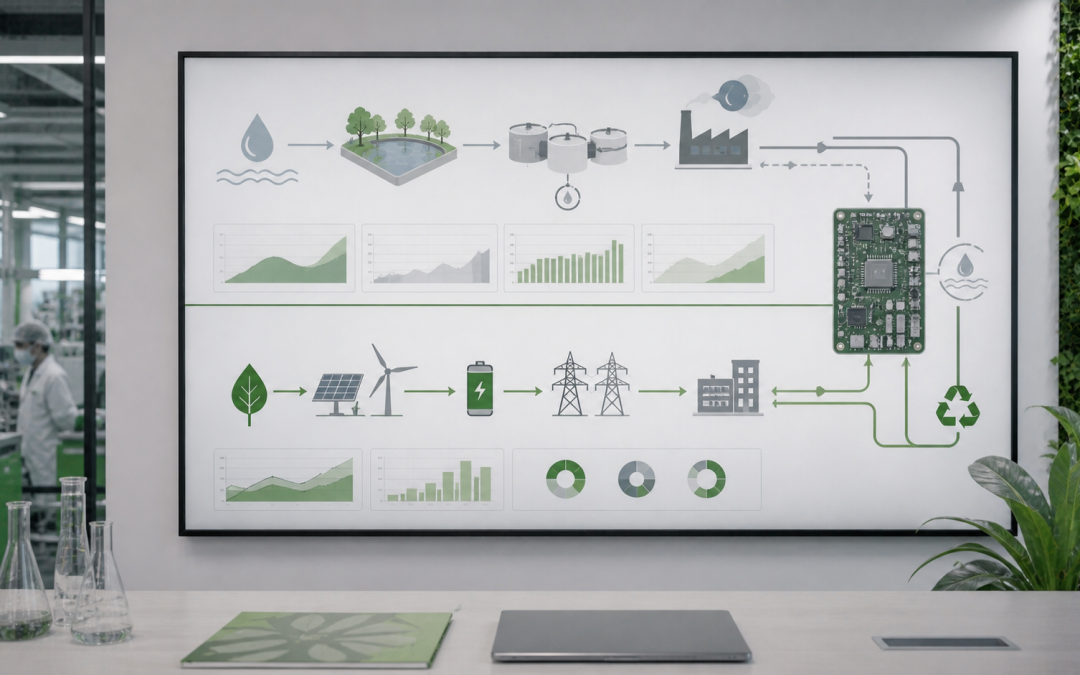
Water and energy demands in IT manufacturing are massive. Learn how Victoria’s e-waste recycling practices help reduce production impact and support sustai
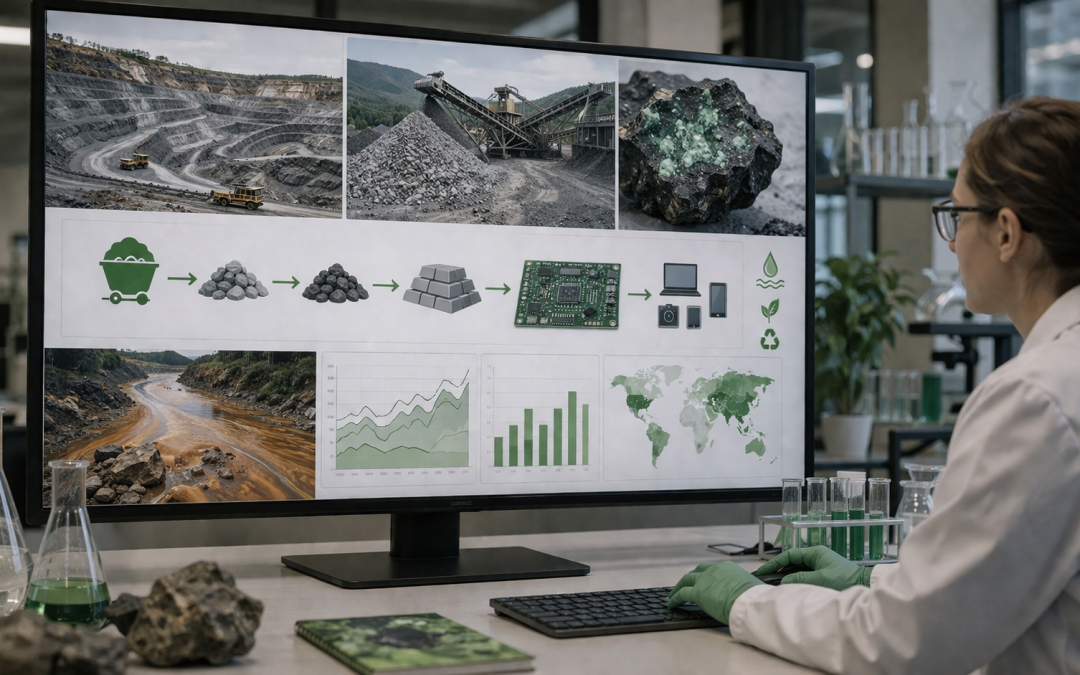
Discover how acid mine drainage from electronics minerals impacts Victoria. Learn why e-waste recycling and ITAD matter for environmental protection in Mel
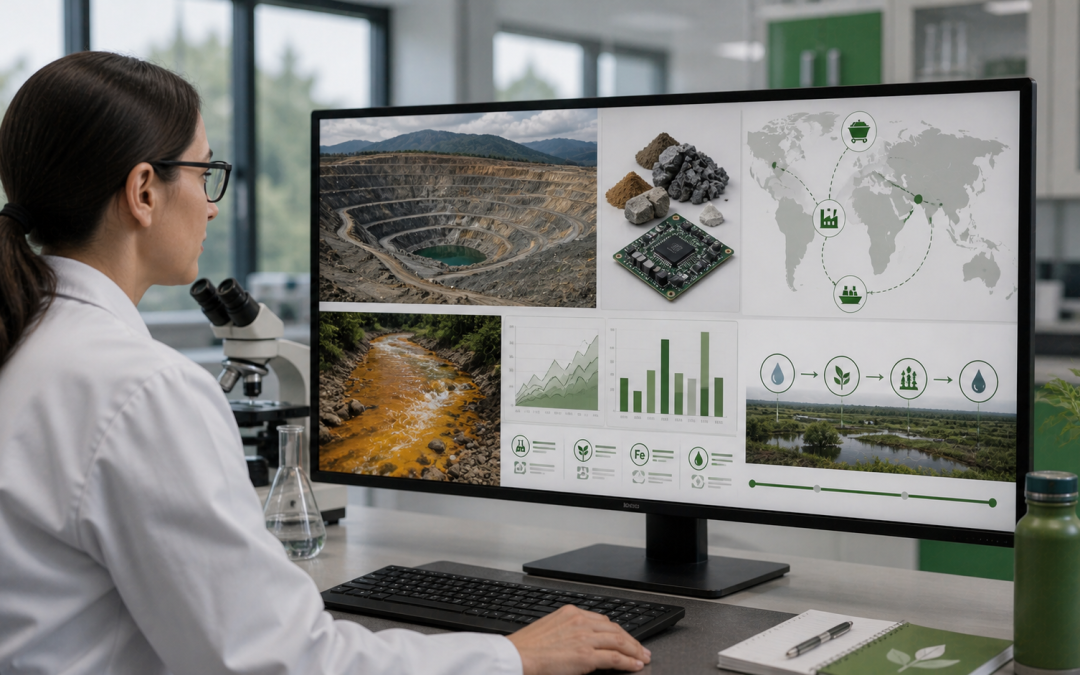
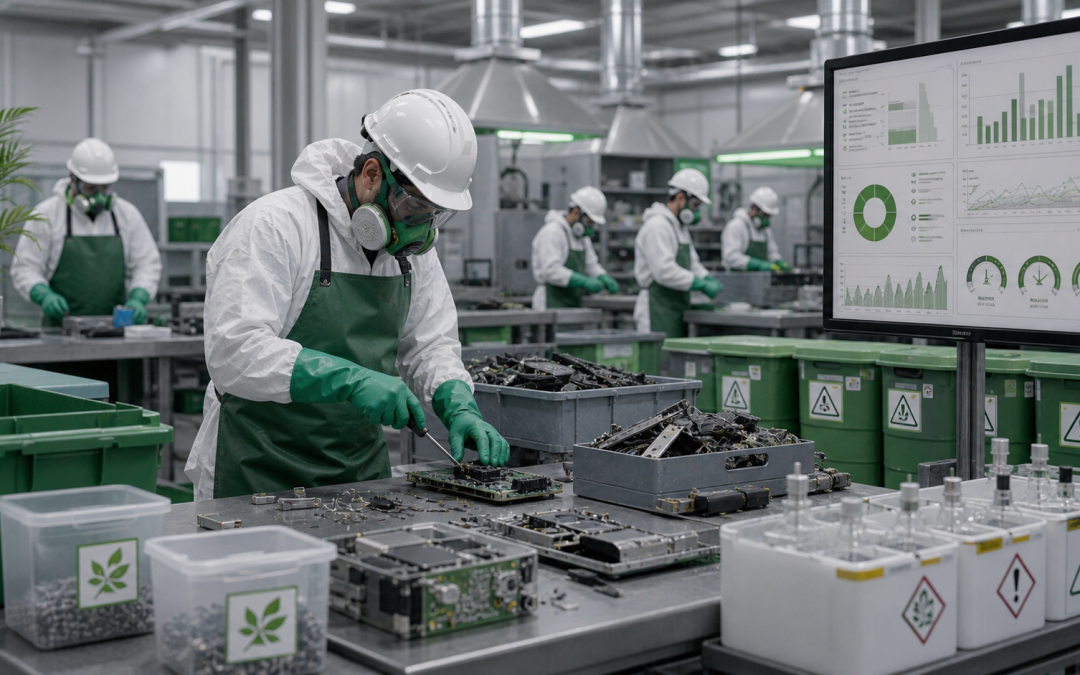
E-waste recycling in Victoria recovers valuable materials but processes can generate chemical pollution.
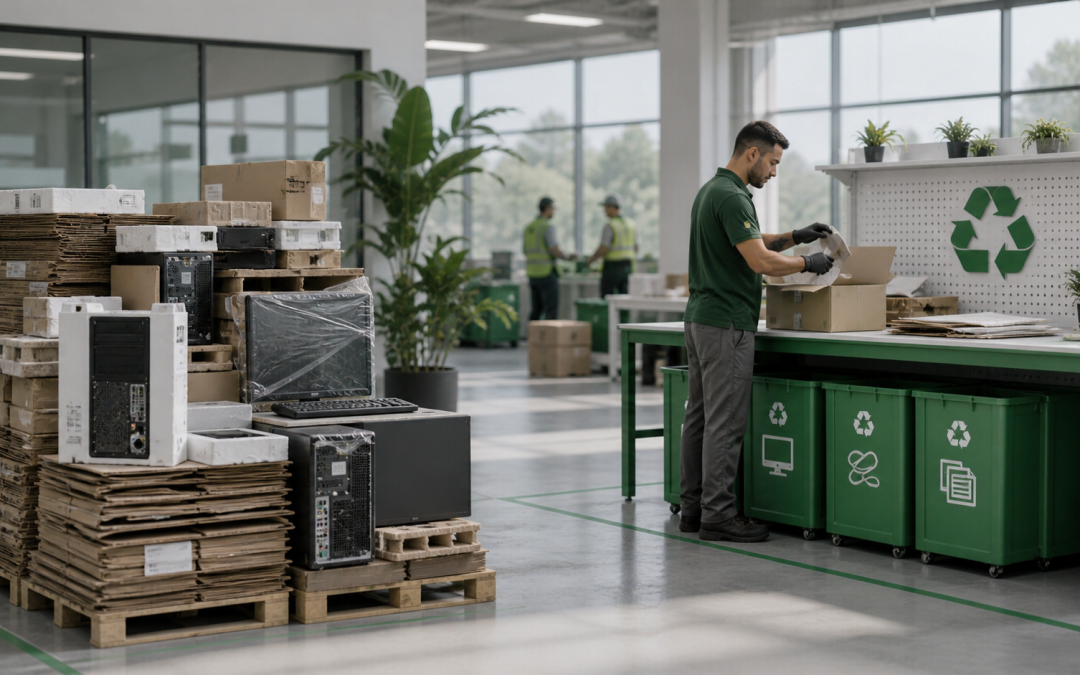
Discover how packaging waste from new IT equipment impacts Victorian e-waste streams.
Discover how Melbourne ITAD services minimise transportation emissions in IT asset disposition.