
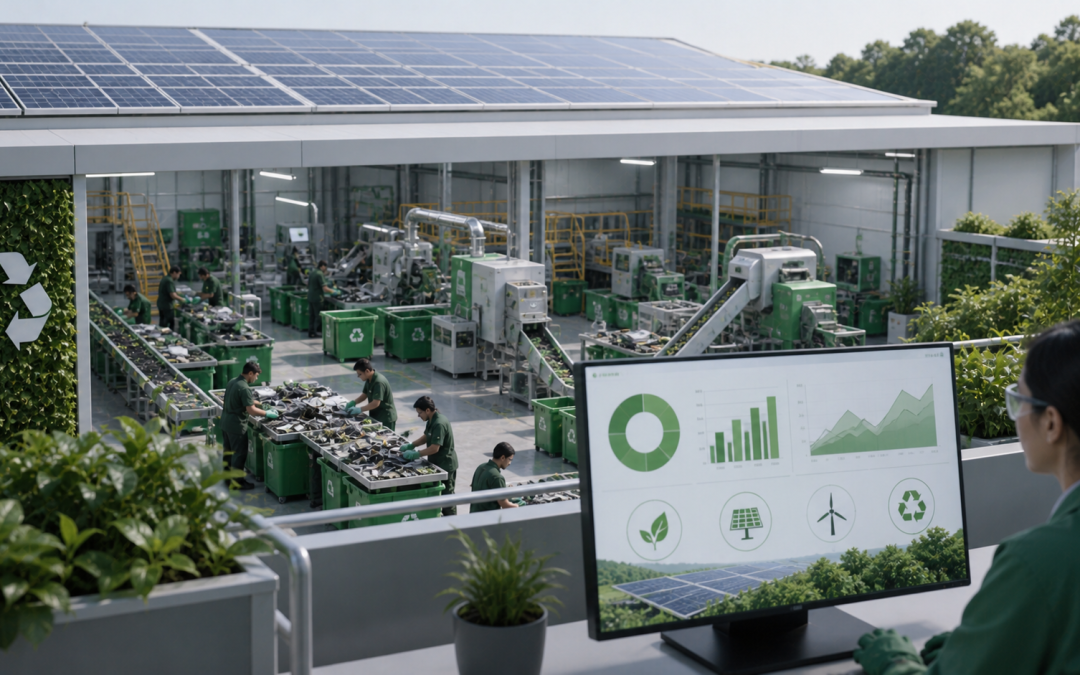
Renewable Energy in E-Waste Processing
How Victorian e-waste recycling uses renewable energy to reduce carbon footprint in processing, shredding, and ITAD operations.
How Victorian e-waste recycling uses renewable energy to reduce carbon footprint in processing, shredding, and ITAD operations.
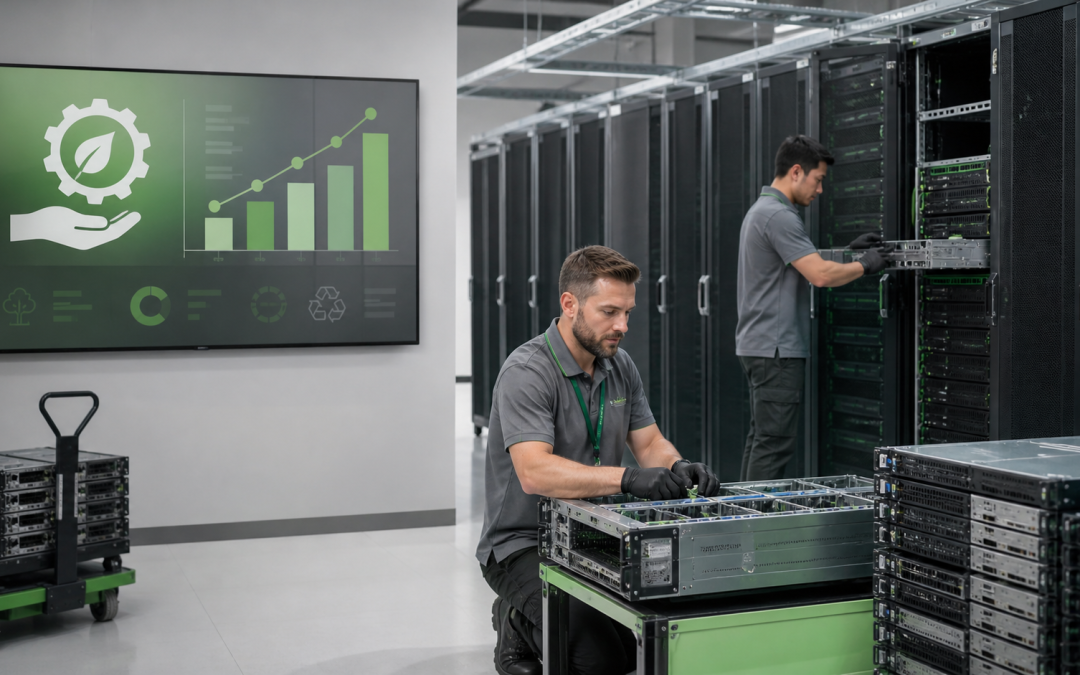
Data centre hardware refresh cycles have significant climate impacts. Discover why ITAD and e-waste management in Victoria matter for sustainability and en
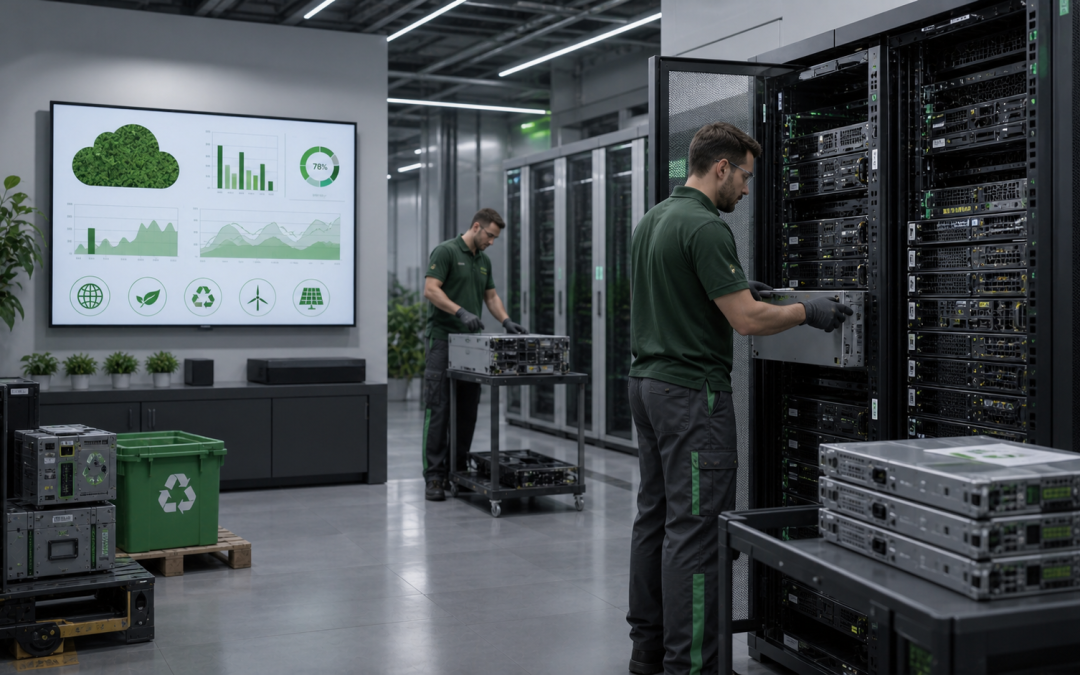
Measure your organisation’s e-waste carbon footprint in Victoria. Learn why accurate measurement is essential for managing and reducing environmental impac
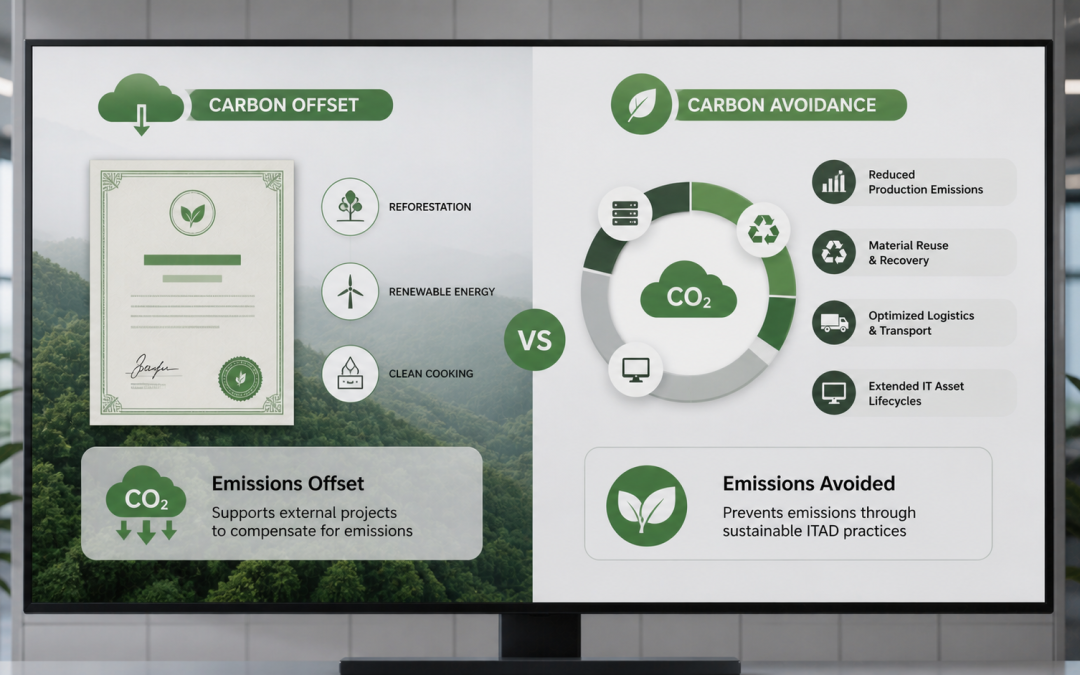
Victorian e-waste ITAD companies use carbon offsets and avoidance differently. Learn which strategy reduces emissions most effectively for your IT asset di
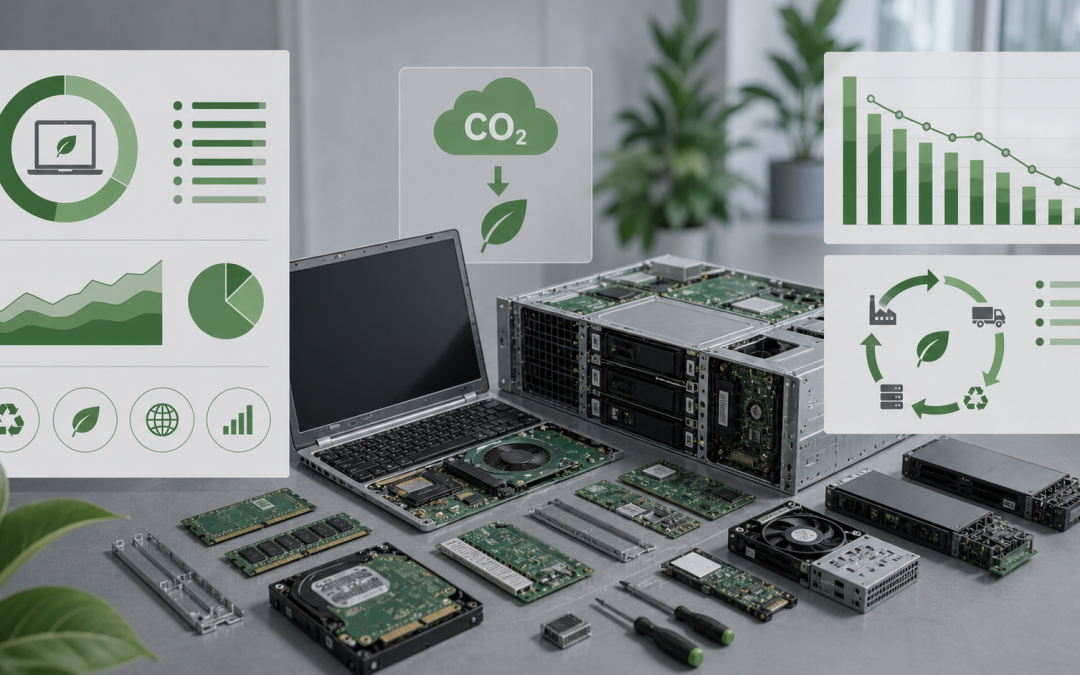
Embodied carbon in IT equipment: greenhouse gas emissions from production. Learn why Victorian e-waste recycling and ITAD matter for sustainability.
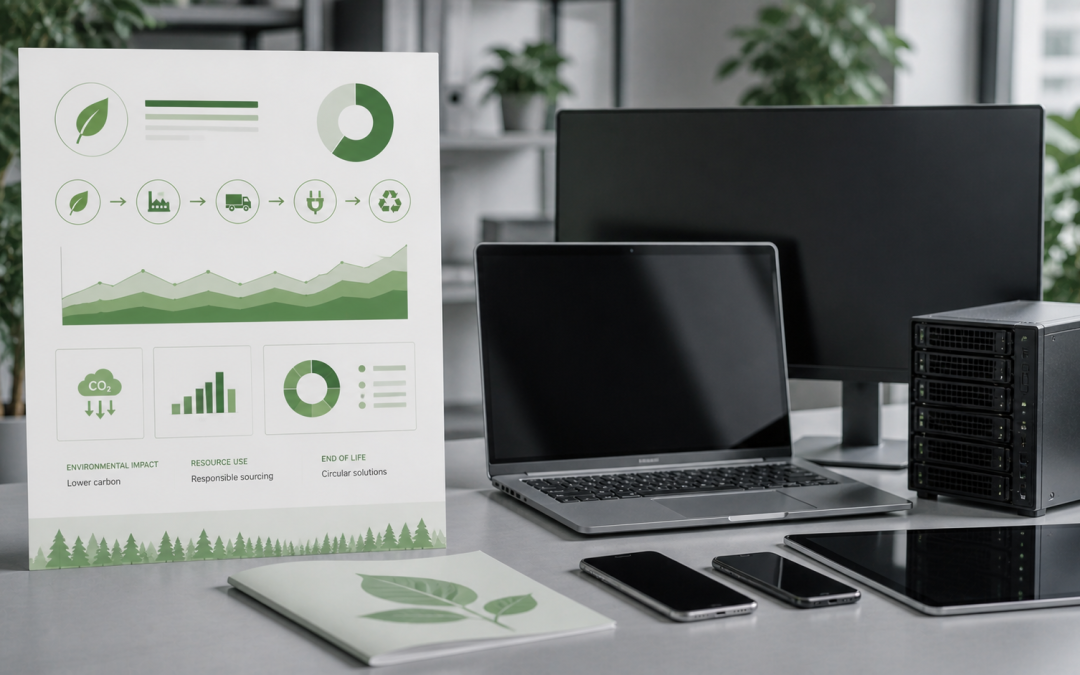
Learn how Environmental Product Declarations drive sustainable e-waste practices in Victoria.
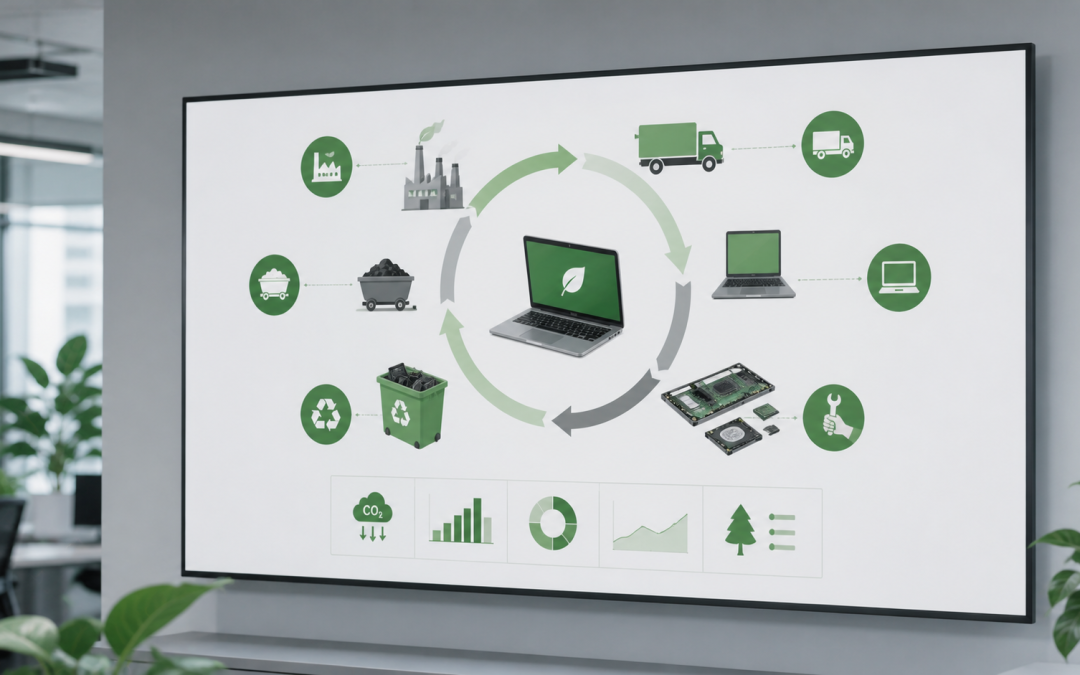
Discover how LCA evaluates IT equipment’s environmental impact. Learn why Victorian e-waste recycling and ITAD matter for sustainable technology lifecycle
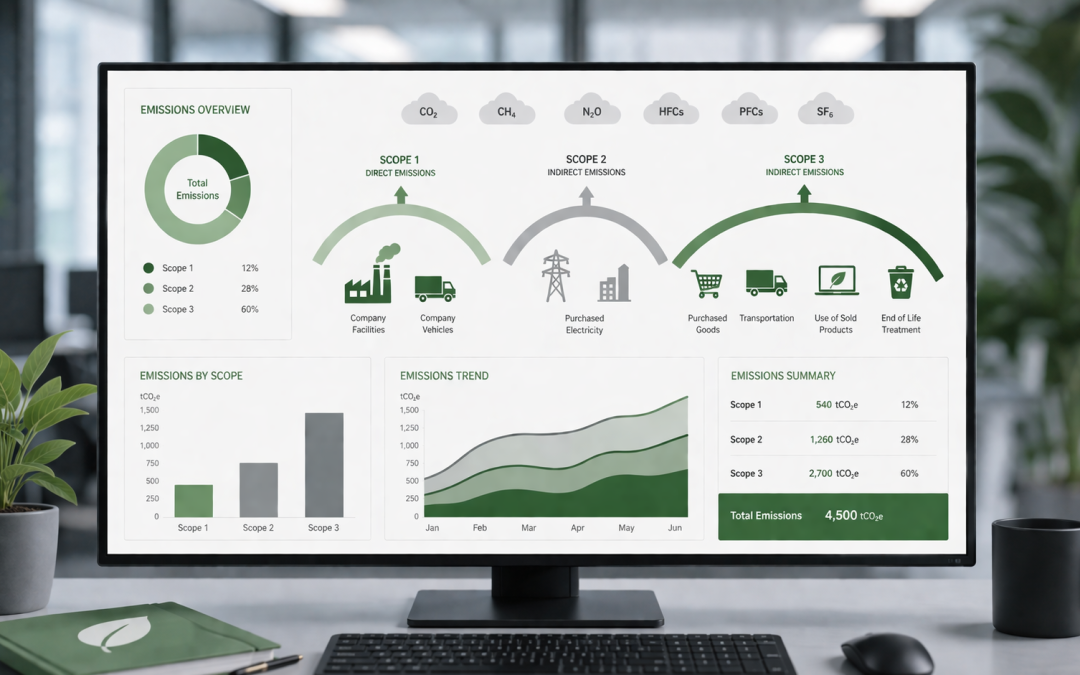
Discover how Scope 1, 2, and 3 emissions apply to IT lifecycles. Learn sustainable e-waste management strategies with Victoria’s leading ITAD provider.
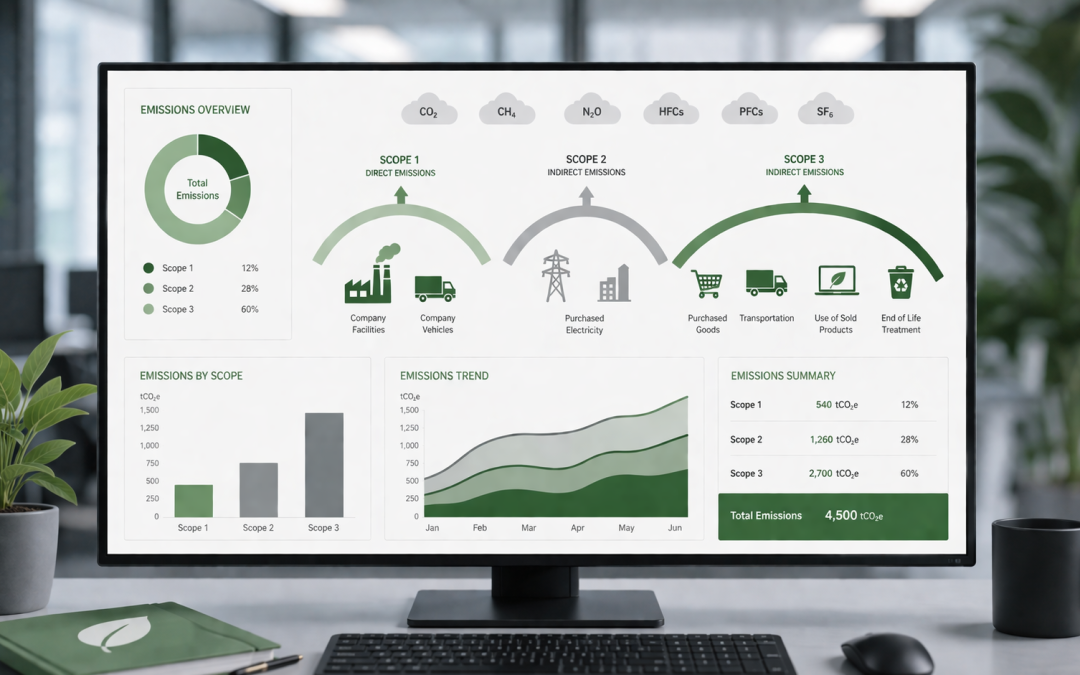
Measure IT emissions with carbon accounting for ITAD in Victoria. Learn how e-waste recycling reduces your carbon footprint and tracks greenhouse gas impac
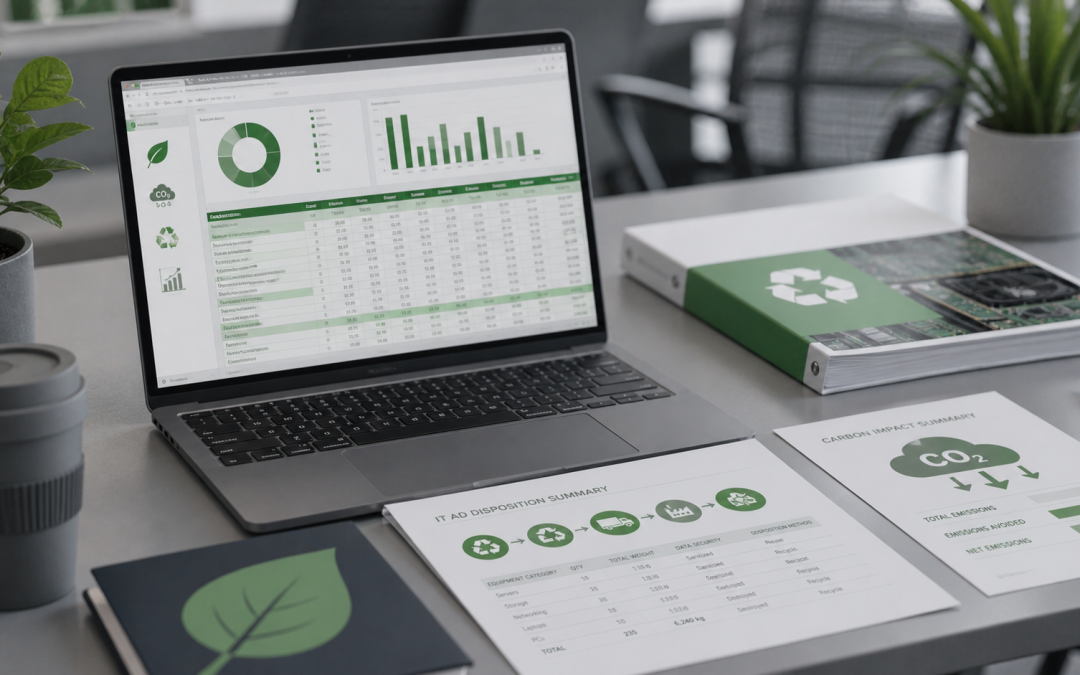
E-waste recycling cuts carbon vs new manufacturing, but Victoria’s processing has emissions. Learn how Melbourne ITAD reduces environmental impact.