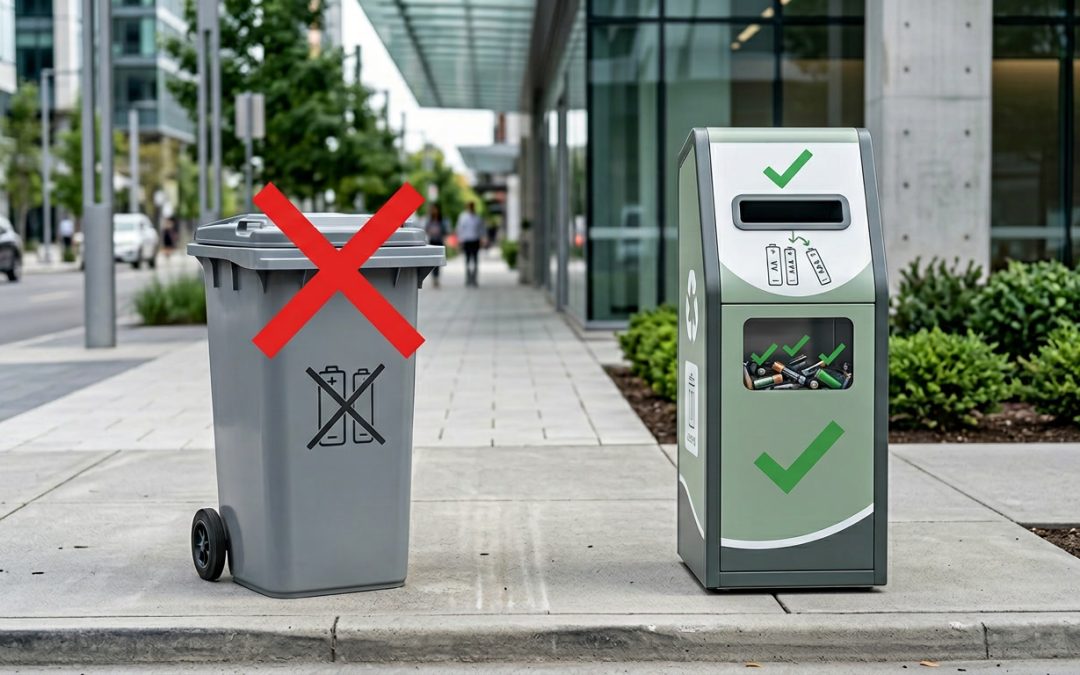
by E-Waste Victoria | Apr 13, 2026 | E-Waste Recycling & Disposal
Batteries in the yellow-lid bin can start fires in trucks and recycling facilities. Here is why they are so dangerous, which types carry the most risk, and where to take used batteries instead.
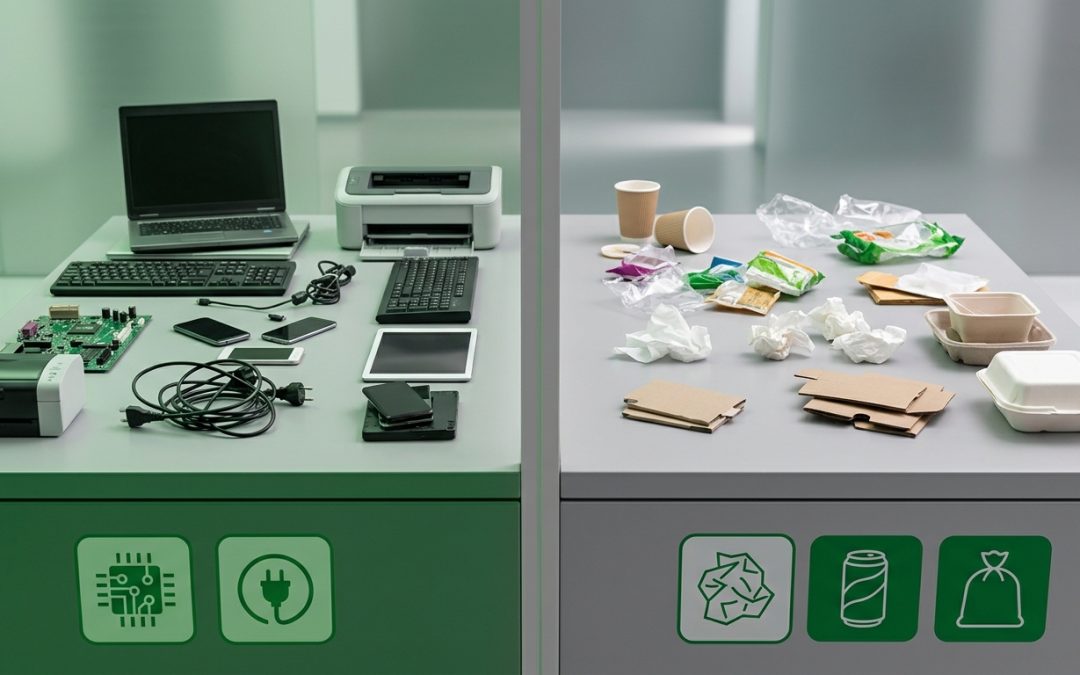
by E-Waste Victoria | Apr 13, 2026 | E-Waste Recycling & Disposal
E-waste contains hazardous materials, recoverable metals and often data, which is why Victoria bans it from landfill. Here is how it differs from general waste and a simple test for which bin to use.
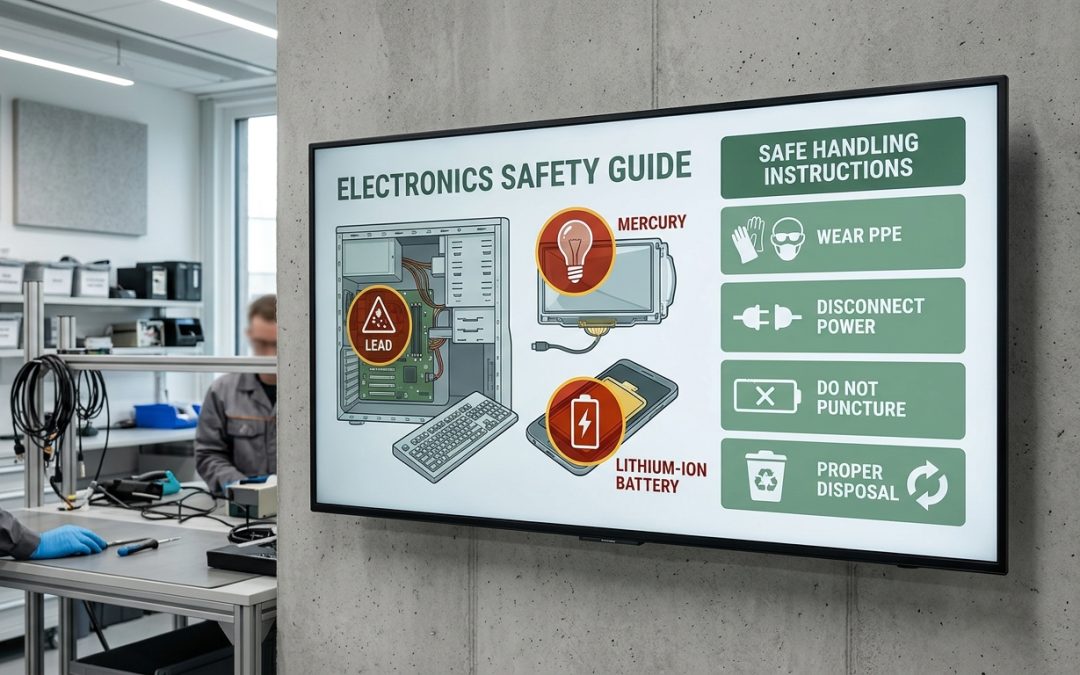
by E-Waste Victoria | Apr 13, 2026 | E-Waste Recycling & Disposal
Old electronics can contain lead, mercury, cadmium, flame retardants and lithium-ion batteries. Here is where each is found, how to recognise the devices most likely to contain them, and what to do.
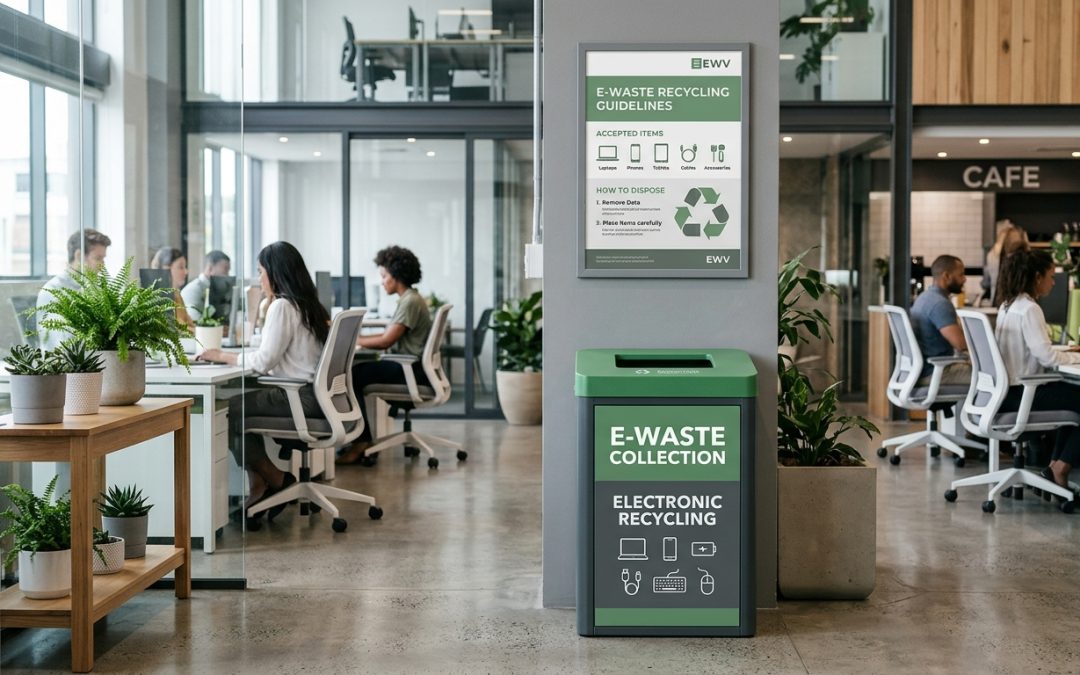
by E-Waste Victoria | Apr 13, 2026 | E-Waste Recycling & Disposal
A workplace e-waste bin stops batteries, chargers and broken peripherals ending up in the wrong place. Here is what you need, where to put it, what goes in and how to keep staff using it.

by E-Waste Victoria | Apr 13, 2026 | E-Waste Recycling & Disposal
A five-step guide to organising an office e-waste collection: audit what you have, deal with data first, choose a collection approach, prepare for the day and keep the right records.
by E-Waste Victoria | Apr 13, 2026 | E-Waste Recycling & Disposal
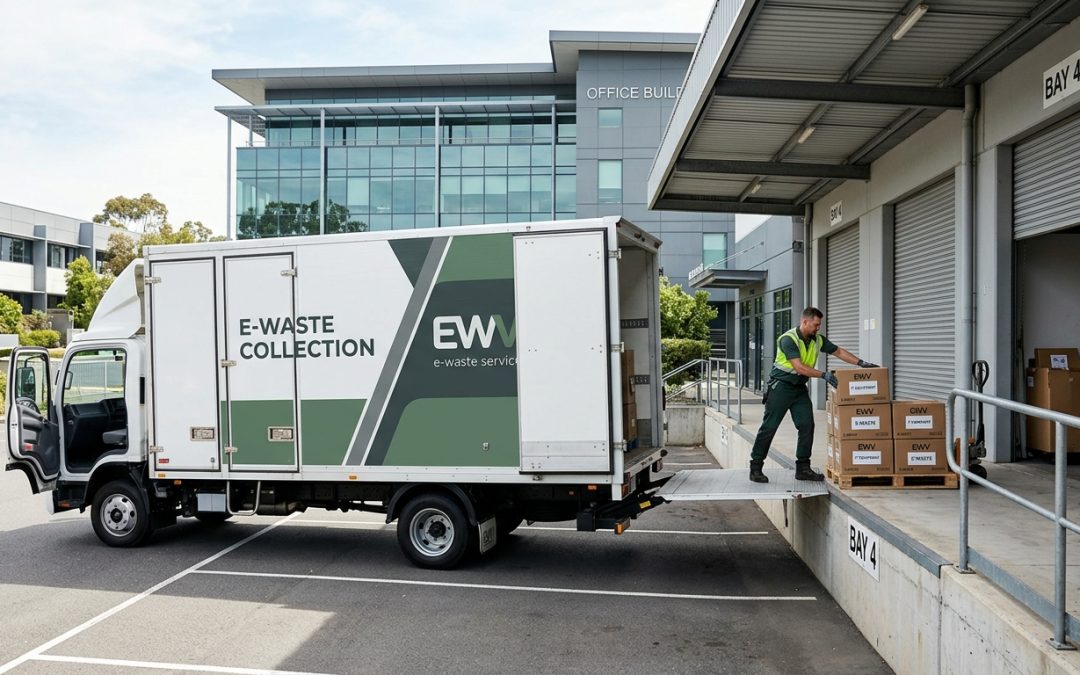
E-waste pickup services collect electronics from your door. Here is how council and commercial collections work, what documentation to expect, the red flags to watch for and how to prepare.
