by E-Waste Victoria | Apr 13, 2026 | Circular Economy & Sustainability, Education
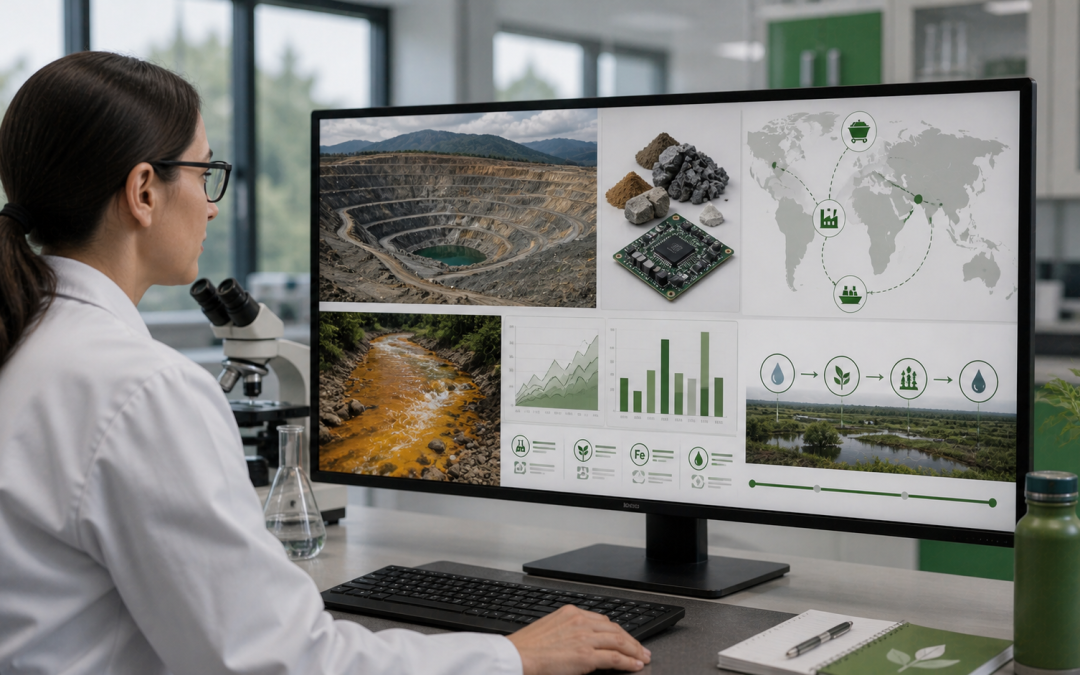
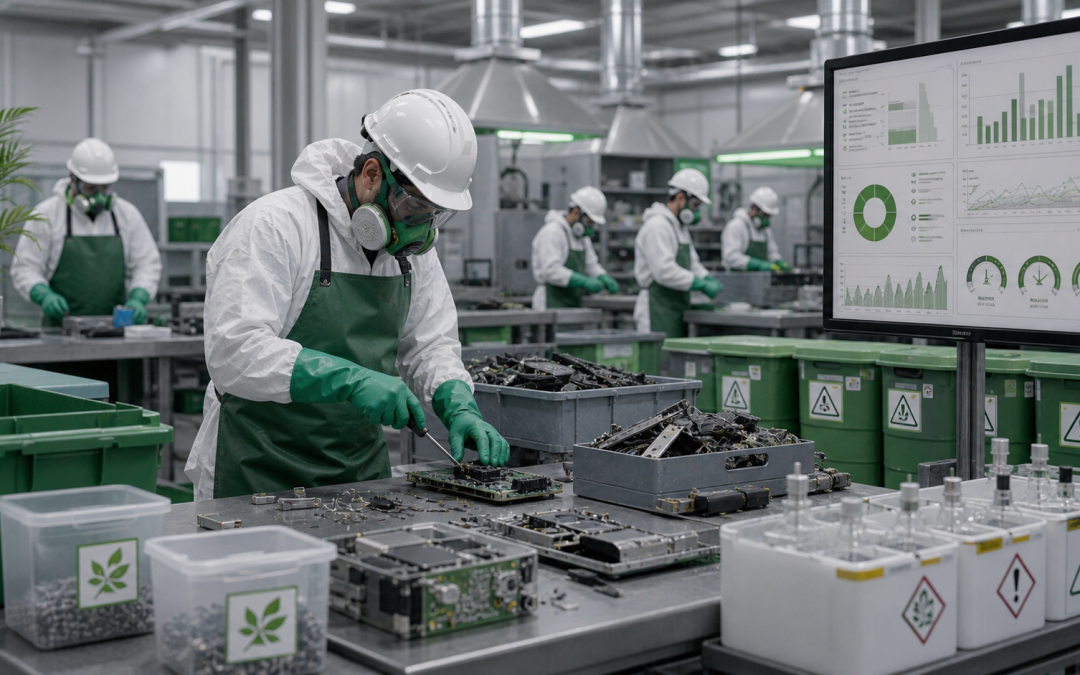
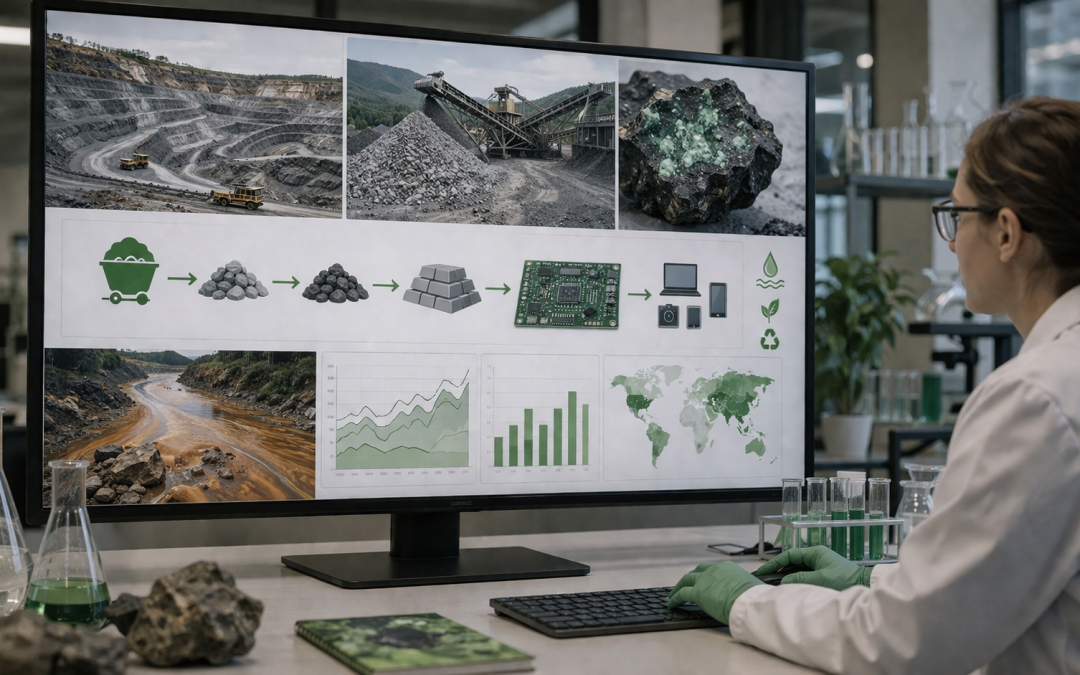
E-waste recycling recovers valuable materials and diverts hazardous waste from landfill, but the recycling processes themselves can generate chemical pollution if not properly managed. Understanding the chemical risks inherent in e-waste processing helps organisations...
by E-Waste Victoria | Apr 13, 2026 | Circular Economy & Sustainability, Education
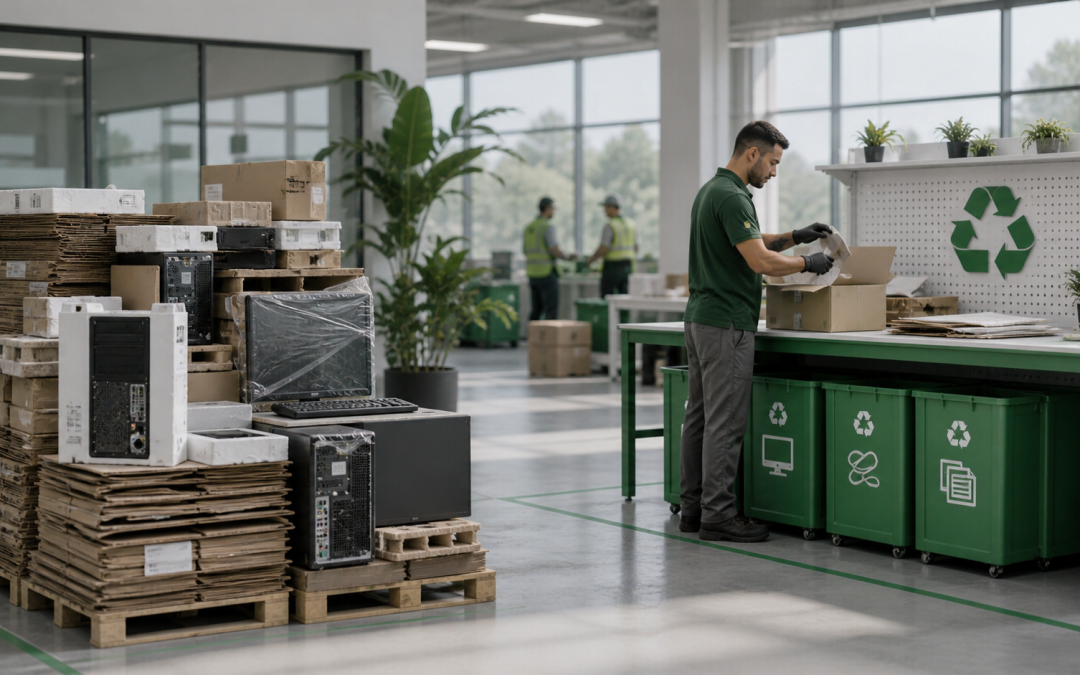
Every new piece of IT equipment arrives wrapped in packaging that is used for minutes but took resources to produce and creates waste that must be managed. For organisations processing large IT procurement orders, packaging waste from new equipment can be a...
by E-Waste Victoria | Apr 13, 2026 | Circular Economy & Sustainability, Education
Transportation is a necessary part of every ITAD programme, moving retired equipment from your premises to processing facilities and onward to remarketing channels or downstream recyclers. While transport emissions are typically a small fraction of the total lifecycle...
by E-Waste Victoria | Apr 13, 2026 | Circular Economy & Sustainability, Education
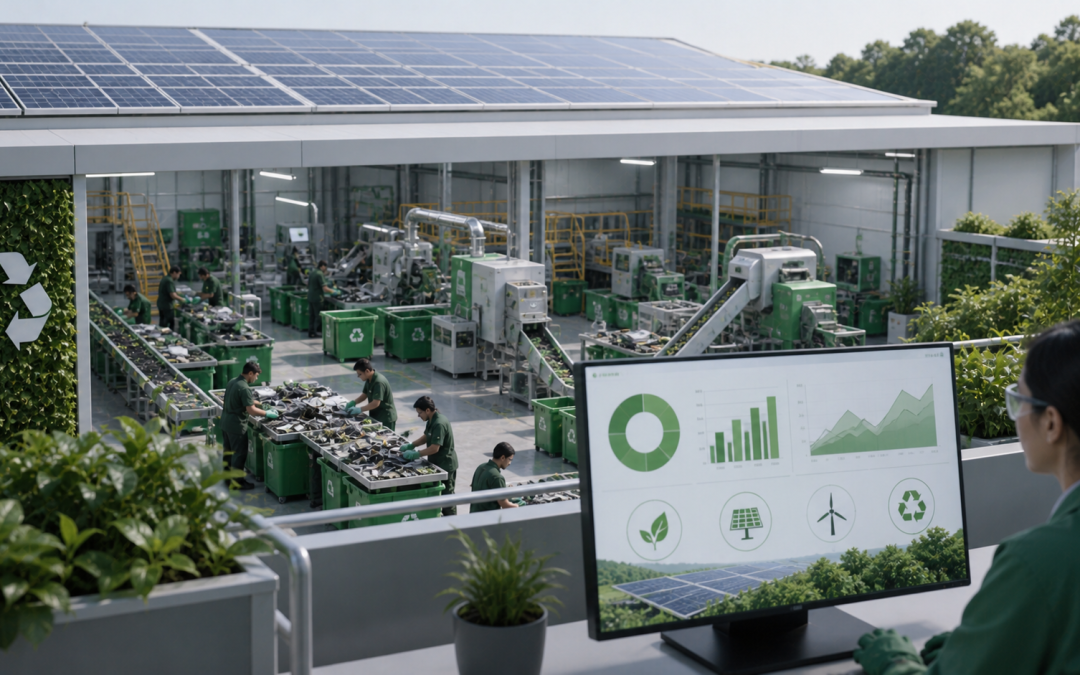
The energy used to process e-waste, including shredding, separation, smelting, and refurbishment, contributes to the carbon footprint of recycling and ITAD operations. As organisations scrutinise the environmental credentials of their entire value chain, the energy...
by E-Waste Victoria | Apr 13, 2026 | Circular Economy & Sustainability, Education
Data centre hardware refresh cycles have significant climate implications that are often underappreciated. Unlike end-user devices where manufacturing emissions dominate, data centre equipment presents a more complex picture where both the embodied carbon of new...
by E-Waste Victoria | Apr 13, 2026 | Circular Economy & Sustainability, Education
Measuring the carbon footprint of your e-waste activities is the essential first step toward managing and reducing it. Without accurate measurement, you cannot set meaningful targets, track progress, or report credibly to stakeholders. The good news is that measuring...