

Zero Waste Goals and Electronic Equipment
What zero waste means for electronics, why collection is the biggest gap, the reduce, reuse, refurbish and recycle hierarchy for IT, and how to set realistic diversion targets.
What zero waste means for electronics, why collection is the biggest gap, the reduce, reuse, refurbish and recycle hierarchy for IT, and how to set realistic diversion targets.
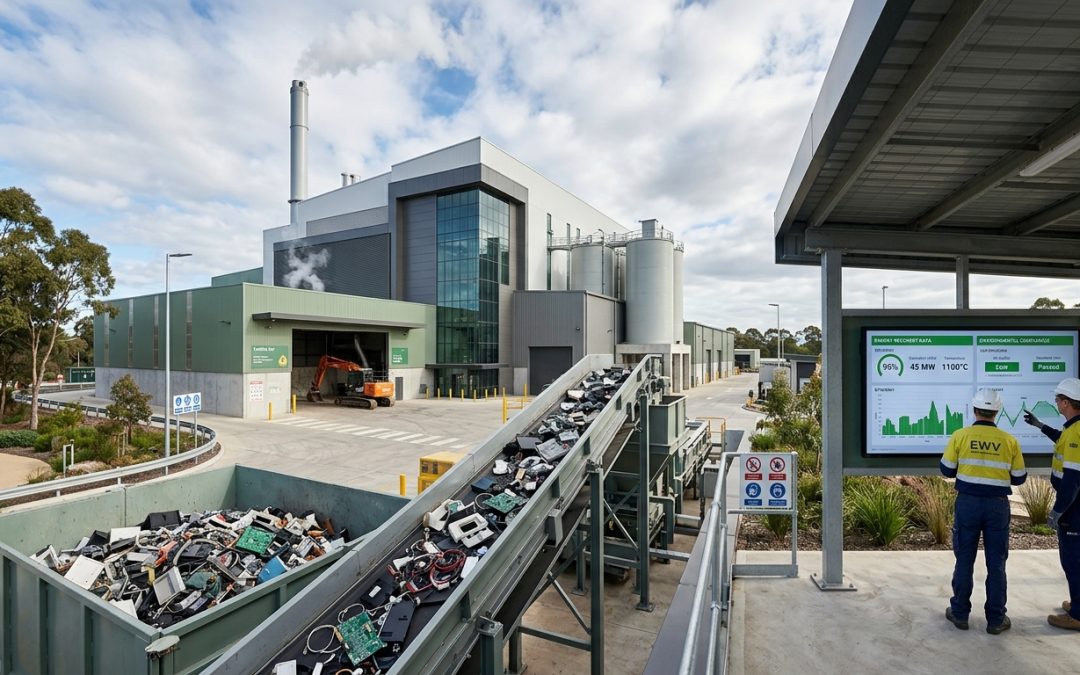
Where energy recovery from e-waste sits in the waste hierarchy, the arguments for and against incinerating residual fractions, how Victoria regulates it, and what businesses should ask.
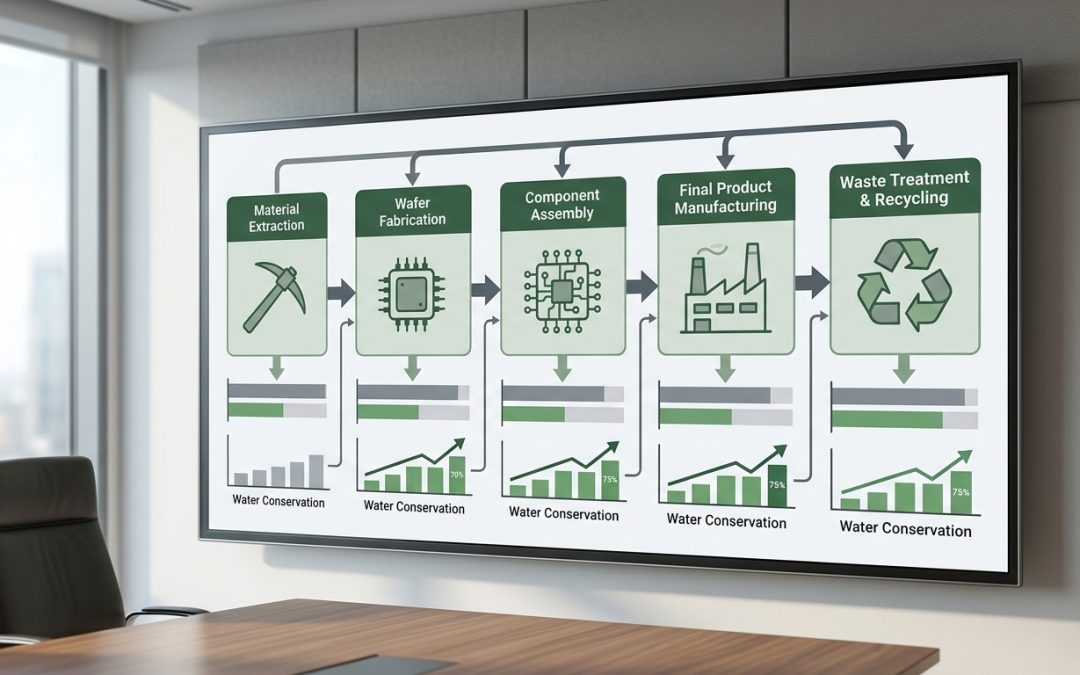
Where water is used and contaminated in making electronics, from chip fabrication to mining, why manufacturing location matters, and why keeping devices longer reduces the footprint.
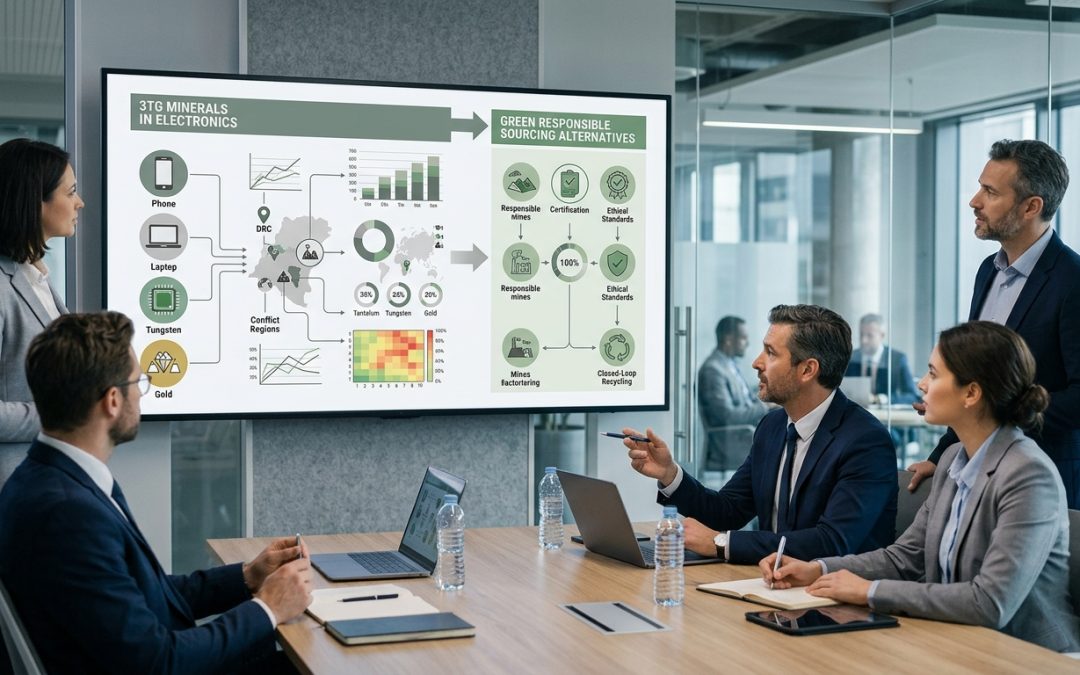
What conflict minerals are, why tin, tantalum, tungsten and gold in electronics are linked to the DRC, the main due diligence rules, and how recycling and procurement can help.
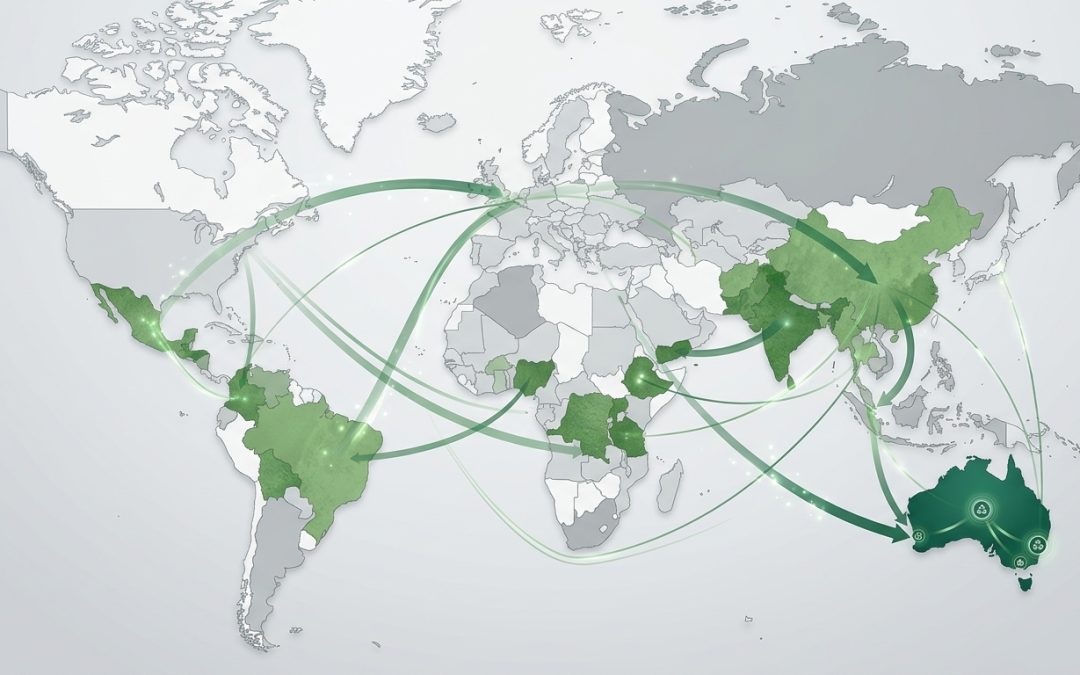
Why some e-waste from countries like Australia ends up in informal processing overseas, the harm it causes, the Basel Convention rules, and what businesses should ask their recycler.
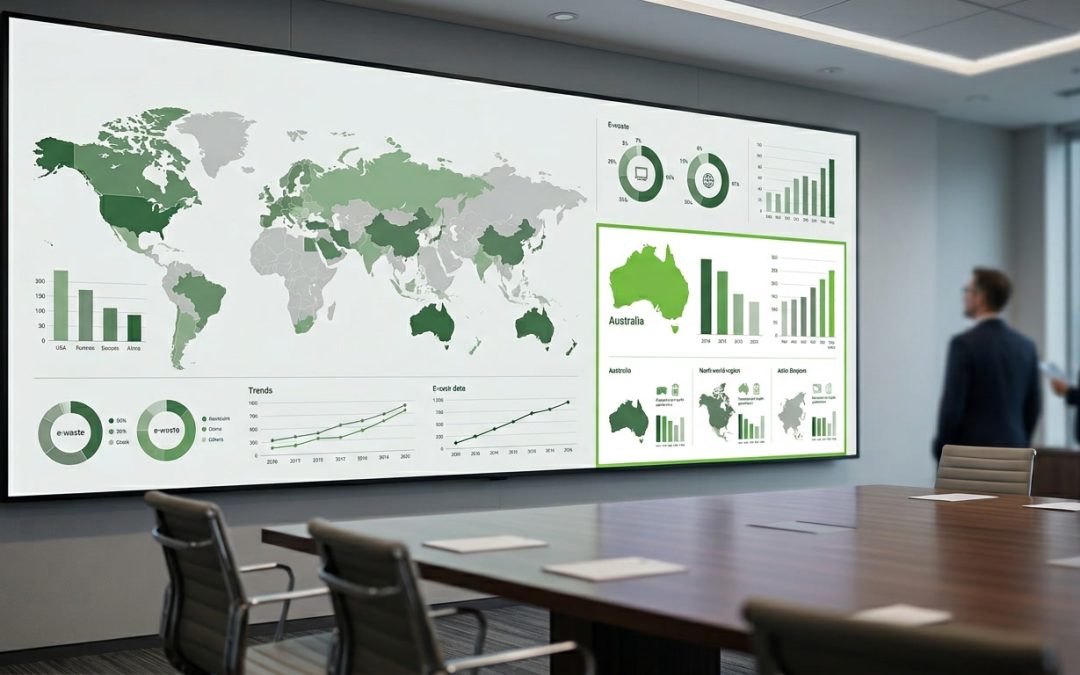
What the Global E-waste Monitor says about how much e-waste the world generates and recycles, where Australia ranks per person, and what Australian businesses can do about the gap.